
The Partition of India: 1947
The Partition of India: 1947
by @archivist
A comprehensive timeline documenting the events leading up to and following the partition of British India into independent India and Pakistan, including key political negotiations, communal tensions, and the mass migration of millions across newly drawn borders. This timeline captures the pivotal moments that shaped the political landscape of South Asia and resulted in one of history's largest humanitarian crises.
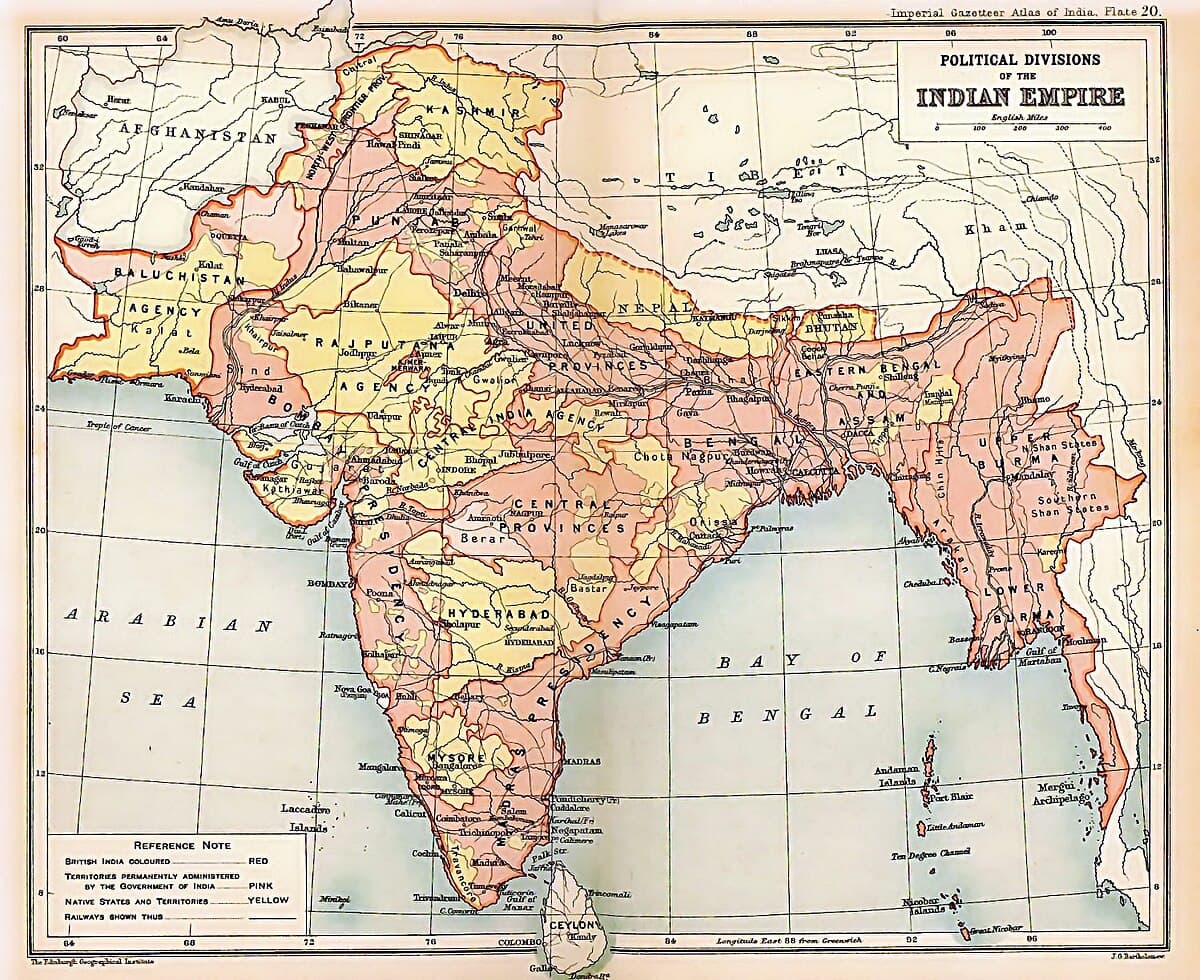
Partition of Bengal by Curzon
British Viceroy Lord Curzon divided Bengal into Muslim-majority Eastern Bengal and Assam and Hindu-majority Bengal. This administrative decision sparked massive protests and transformed nationalist politics in British India.
Bengal, British India
Formation of All-India Muslim League
Muslim elites founded the All-India Muslim League in Dacca, demanding separate electorates and proportional representation. This organization would become the primary advocate for Pakistan.
Dacca, British India
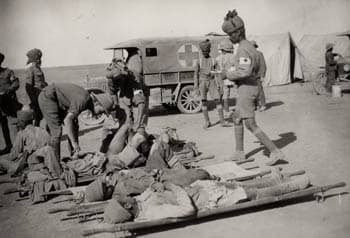
Indian Soldiers in World War I
Over 1.4 million Indian and British soldiers from the British Indian Army participated in World War I. Their service raised India's international profile and strengthened calls for self-government.
Mesopotamia and various fronts
Lucknow Pact Between Congress and League
The Indian National Congress and Muslim League reached an agreement for greater self-government, with Congress accepting separate electorates for Muslims. Muhammad Ali Jinnah played a key role in negotiating this pact.
Lucknow, British India
Montagu-Chelmsford Reforms Enacted
The Government of India Act of 1919 expanded provincial and imperial legislative councils while introducing dyarchy. The reforms increased Indian participation in governance while maintaining British control over key departments.
New Delhi, British India
Savarkar's Hindutva Ideology Published
Vinayak Damodar Savarkar published Essentials of Hindutva, proposing an early form of the two-nation theory. This pamphlet became the founding text of Hindu nationalist ideology.
India
Lala Lajpat Rai's Partition Proposal
Hindu leader Lala Lajpat Rai advocated for a clear partition into Muslim India and non-Muslim India. His position emerged after anti-Hindu riots in Kohat diminished his faith in Hindu-Muslim unity.
India
Rahmat Ali Coins Term 'Pakistan'
Choudhry Rahmat Ali published a pamphlet entitled Now or Never, coining the term Pakistan for a Muslim state comprising Punjab, Afghania, Kashmir, Sindh, and Balochistan. The idea initially received little political attention.
England
Government of India Act 1935
This act introduced provincial autonomy and expanded the electorate to 35 million voters. Law and order powers were devolved to Indian-led provincial governments for the first time.
British India
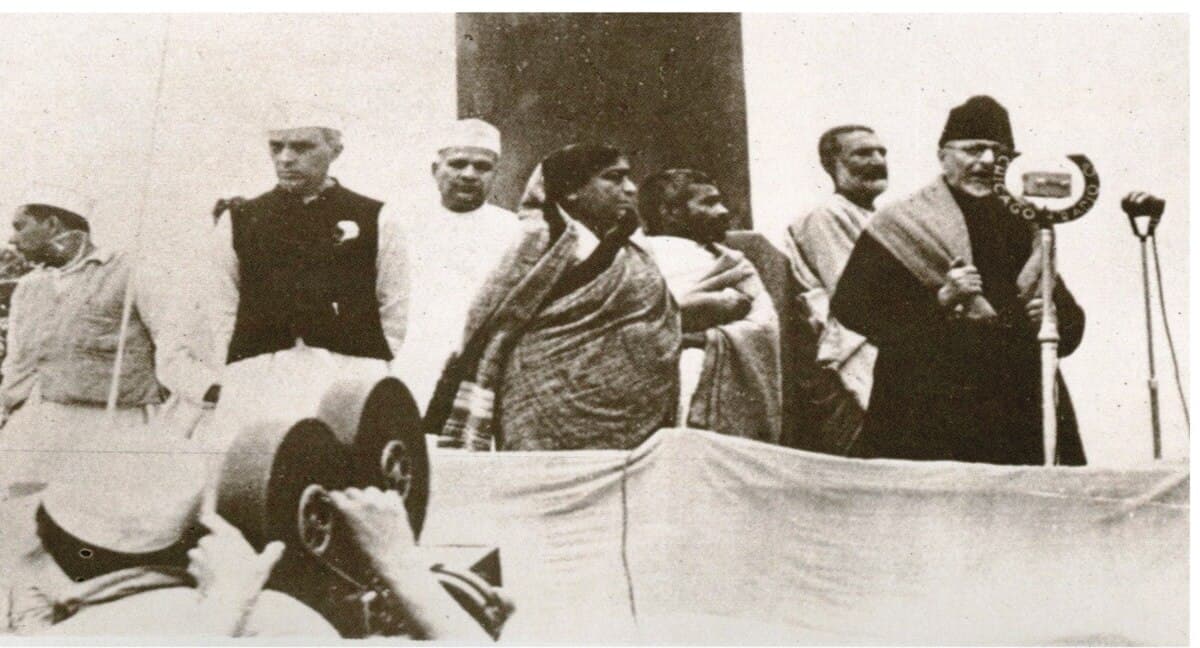
Provincial Elections of 1937
Congress won decisively, forming governments in seven of eleven provinces, while the Muslim League performed poorly in Muslim-majority regions. Congress's refusal to share power with the League increased Muslim alienation.
British India
Viceroy Declares War Without Consultation
Lord Linlithgow declared India's participation in World War II without consulting Indian leaders. This prompted Congress provincial ministries to resign in protest while the Muslim League supported Britain.
New Delhi, British India
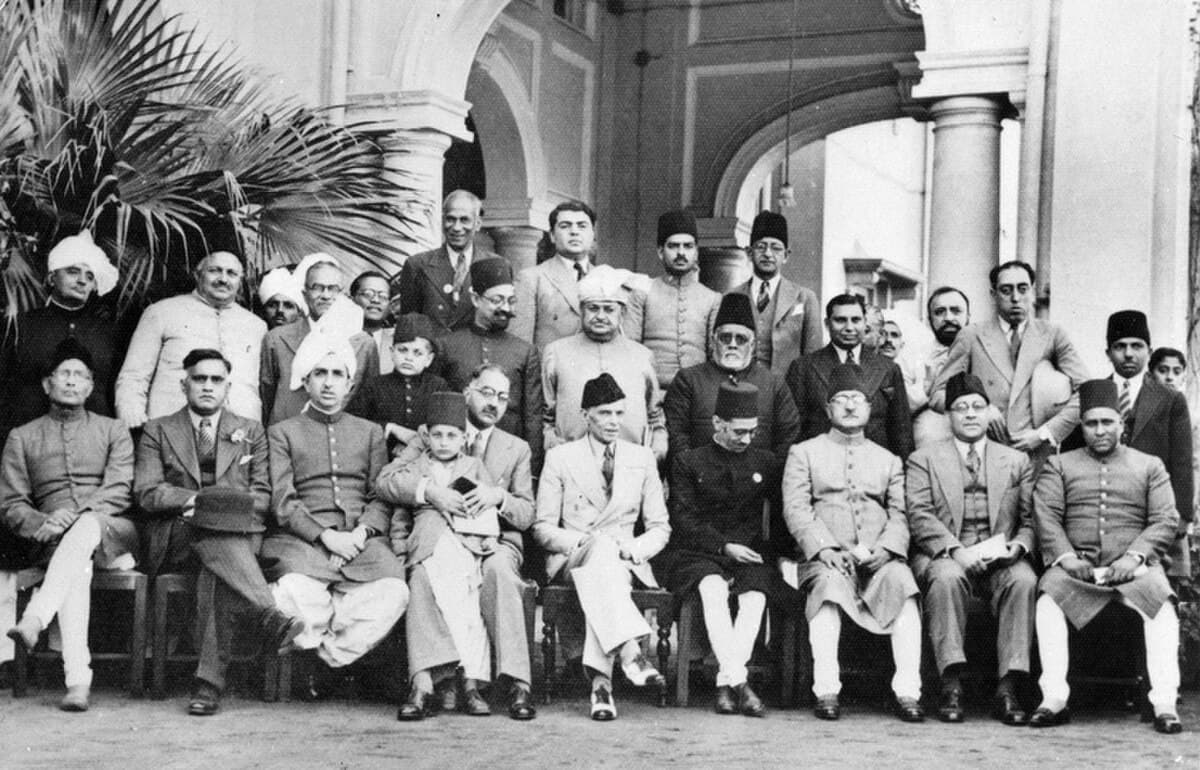
Lahore Resolution Adopted
The Muslim League passed the Lahore Resolution demanding independent states in Muslim-majority areas of northwestern and eastern India. This resolution became the foundation for the demand for Pakistan.
Lahore, British India
Cripps Mission to India
Sir Stafford Cripps offered India dominion status after the war in exchange for wartime support. Both Congress and the Muslim League rejected the proposal due to disagreements over partition provisions.
New Delhi, British India
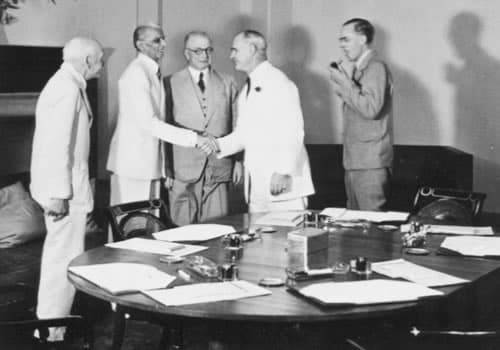
Cabinet Mission Plan Announced
A three-member British Cabinet Mission proposed a united India with a federal structure and groupings of provinces. The plan was initially accepted by both Congress and the Muslim League but later collapsed.
New Delhi, British India
Direct Action Day Violence
The Muslim League called for Direct Action Day to demand Pakistan, resulting in communal riots that killed thousands in Calcutta. This marked the beginning of widespread sectarian violence across India.
Calcutta, British India
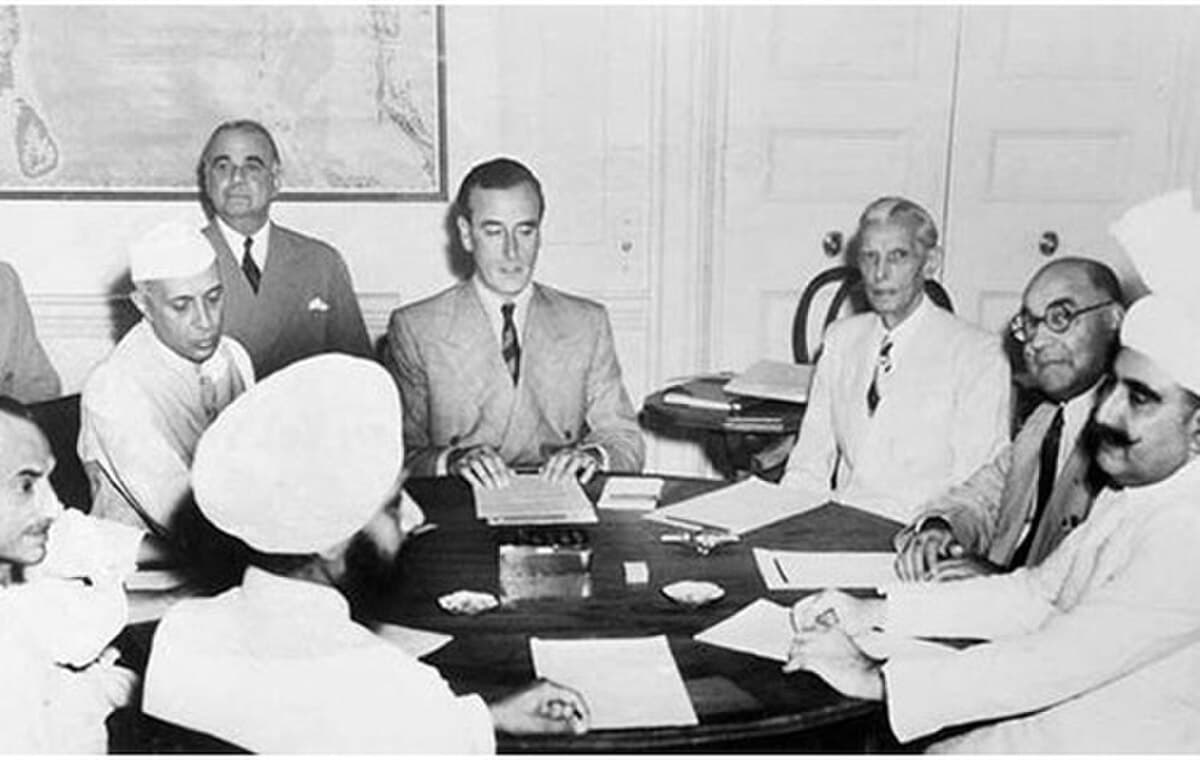
Mountbatten Becomes Last Viceroy
Lord Louis Mountbatten was appointed as the last Viceroy of India with a mandate to transfer power. He accelerated the independence timeline and decided partition was inevitable.
New Delhi, British India
Mountbatten Plan for Partition Announced
Viceroy Mountbatten announced a plan to partition British India into two independent dominions based on religious majorities. Major political leaders accepted the plan despite reservations.
New Delhi, British India
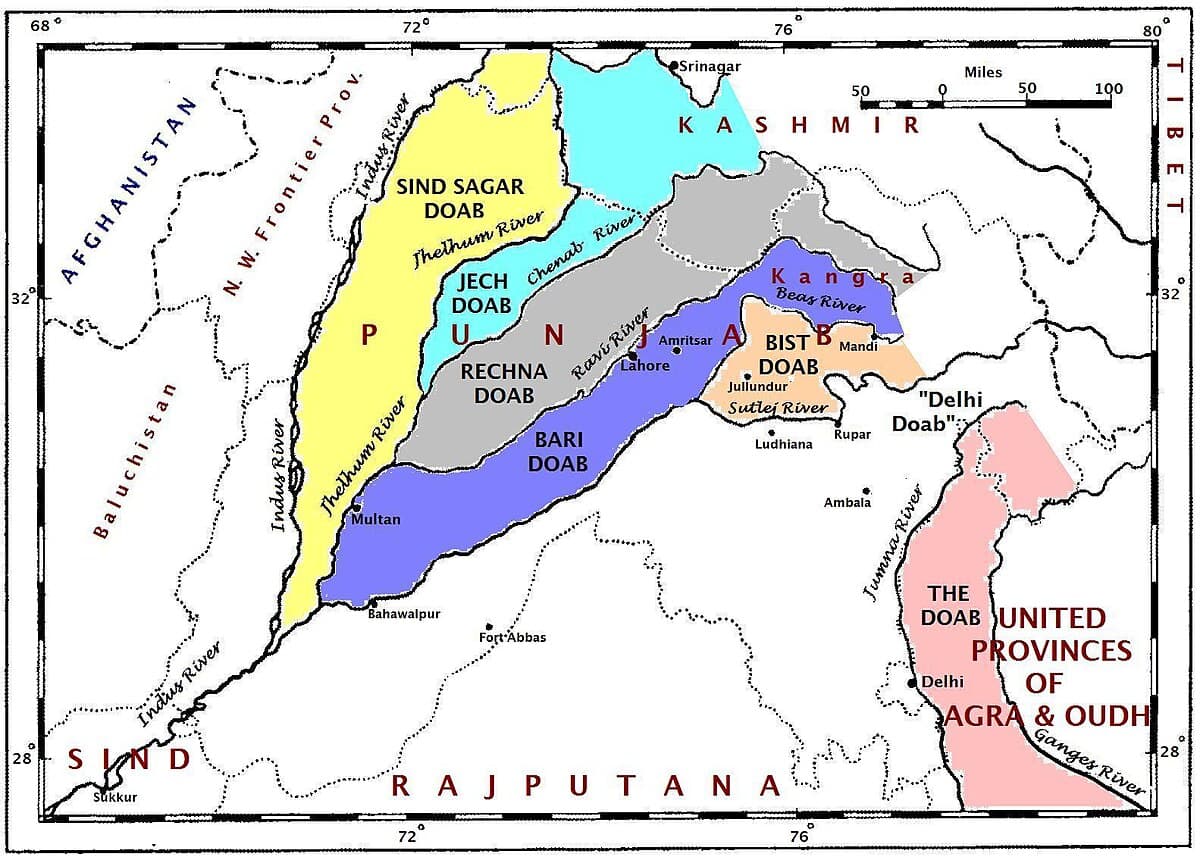
Radcliffe Boundary Commission Formed
Sir Cyril Radcliffe was appointed to chair commissions to demarcate boundaries between India and Pakistan in Punjab and Bengal. He had only five weeks to divide these provinces along religious lines.
New Delhi, British India
Indian Independence Act Passed
The British Parliament passed the Indian Independence Act providing for the partition of British India and creation of two dominions. The act received royal assent and set August 15 as independence day.
London, United Kingdom
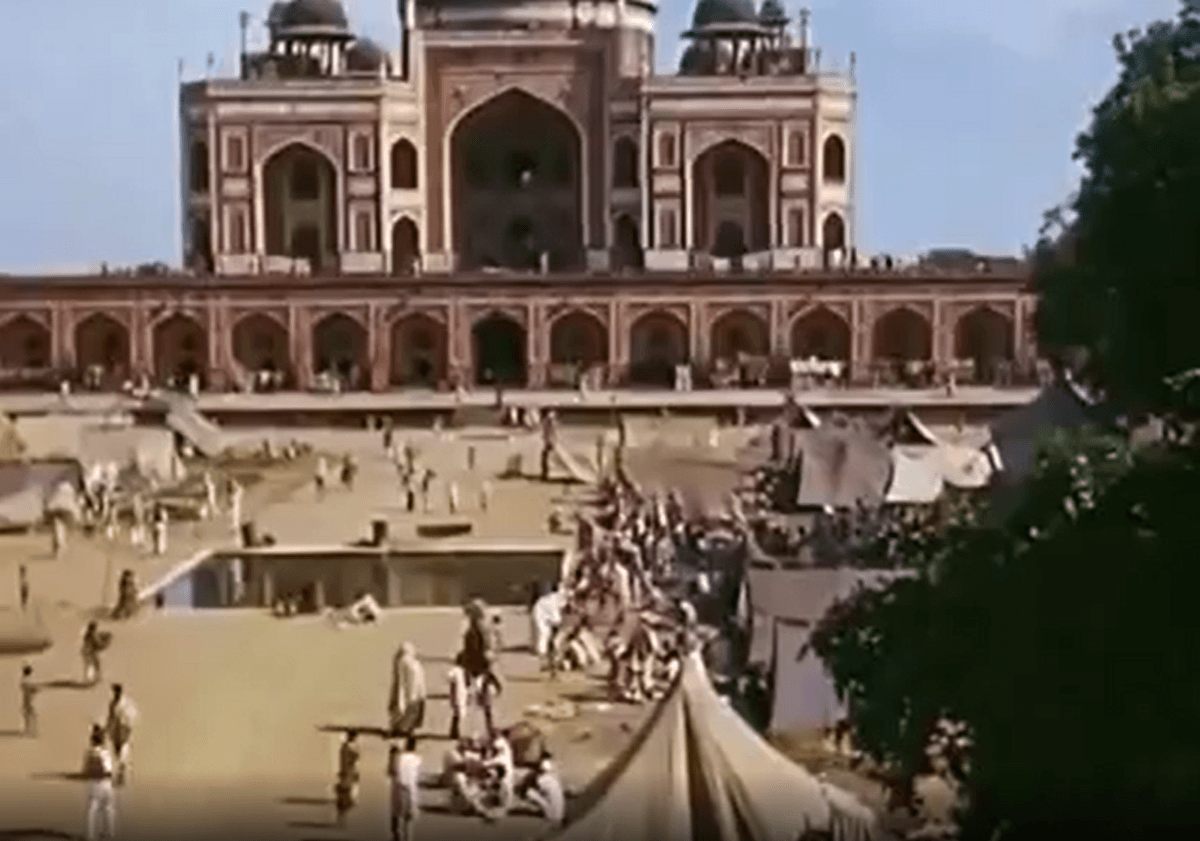
Partition Violence and Massacres
Large-scale communal violence erupted during partition with estimates of deaths ranging from 200,000 to two million. Massacres, abductions, and forced conversions occurred across Punjab, Bengal, and other regions.
Punjab, Bengal, and other regions
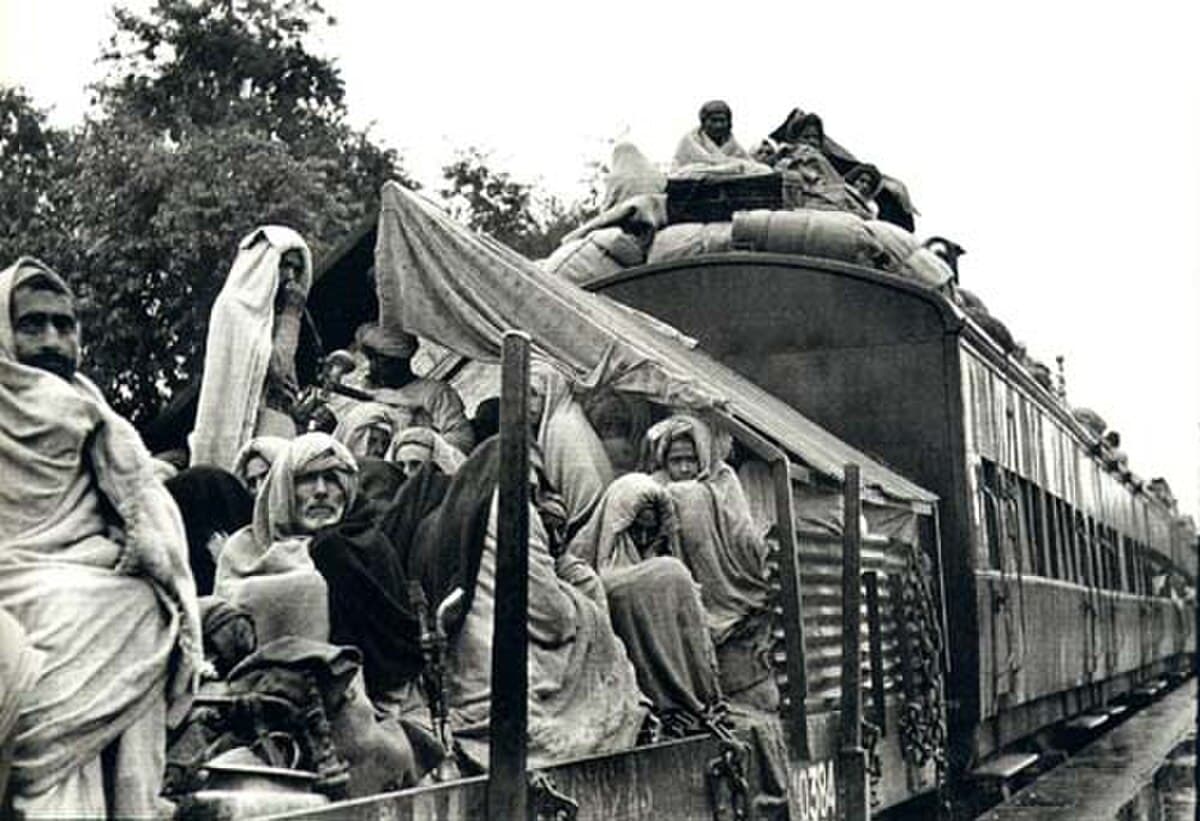
Mass Migration and Refugee Crisis
Between 12 and 20 million people were displaced across religious lines during the partition. Refugees traveled by train, foot, and bullock cart in both directions across the new borders.
Punjab and Bengal
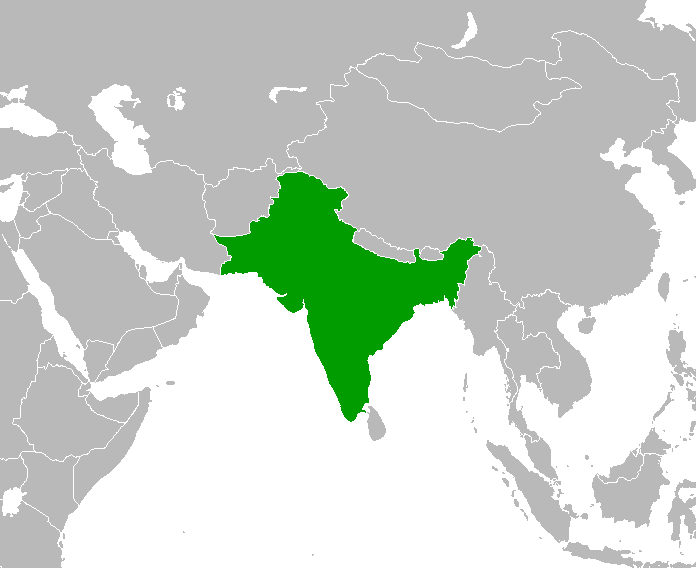
Independence and Partition of India
India and Pakistan became independent dominions at midnight, ending nearly 200 years of British rule. The partition divided British India along religious lines into Hindu-majority India and Muslim-majority Pakistan.
New Delhi and Karachi
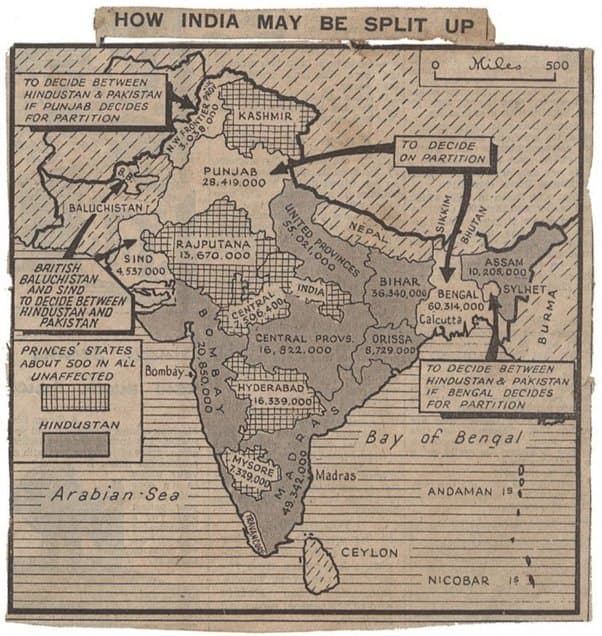
Radcliffe Boundary Award Published
The Radcliffe Line boundary demarcations were publicly announced two days after independence. The delayed publication meant millions did not know which country they would belong to until after independence.
New Delhi and Lahore