
The Mughal Empire: 1526-1857
The Mughal Empire: 1526-1857
by @archivist
A comprehensive chronicle of the Mughal Empire's rise, expansion, cultural flourishing, and eventual decline across three centuries of Indian history. This timeline traces the dynasty from Babur's conquest through 26 pivotal events that shaped the empire's governance, architecture, religion, and legacy.
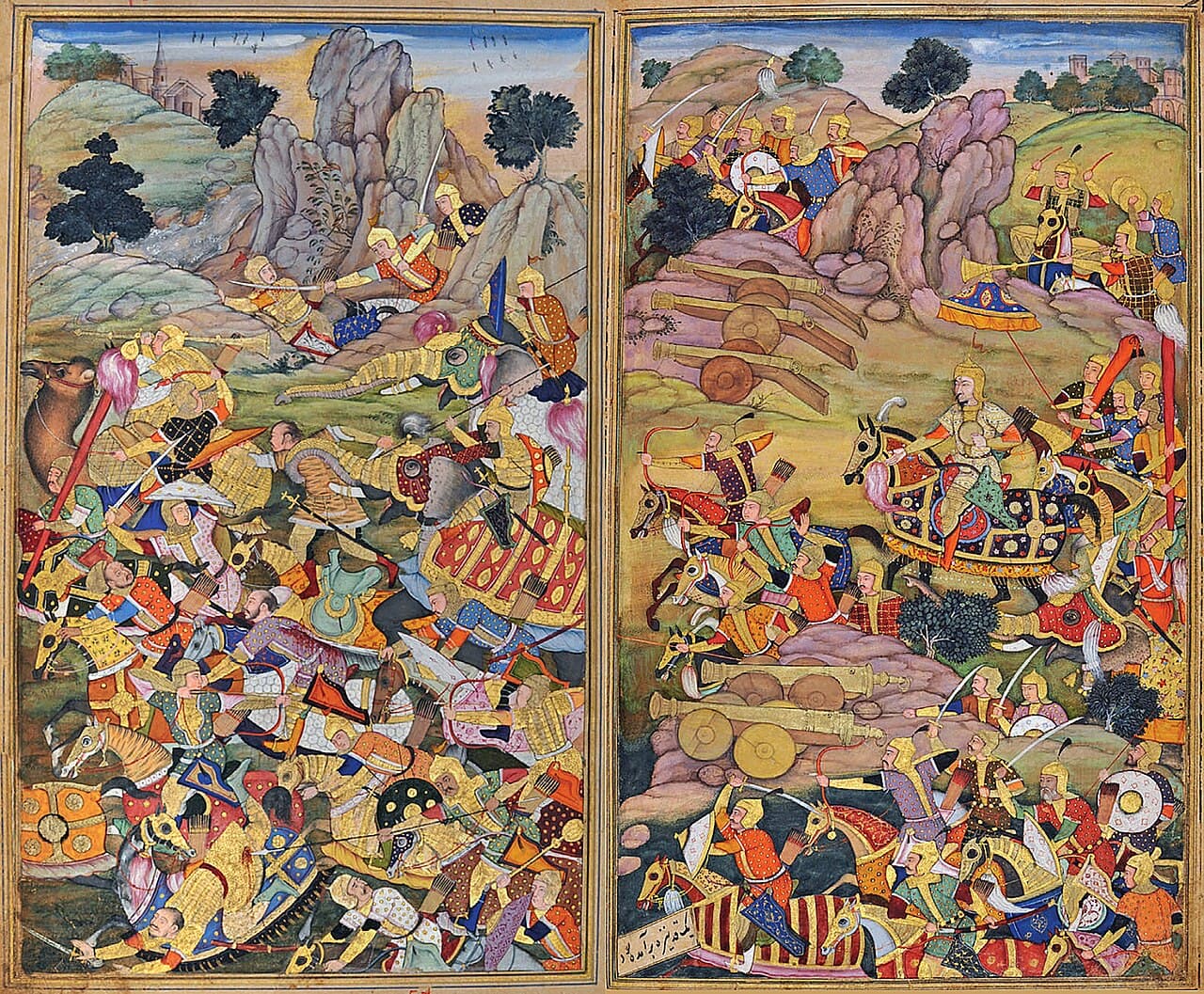
First Battle of Panipat
Babur defeated Ibrahim Lodi, Sultan of Delhi, using firearms and cannons despite being outnumbered. This victory marked the founding of the Mughal Empire and shifted power to Agra.
Panipat
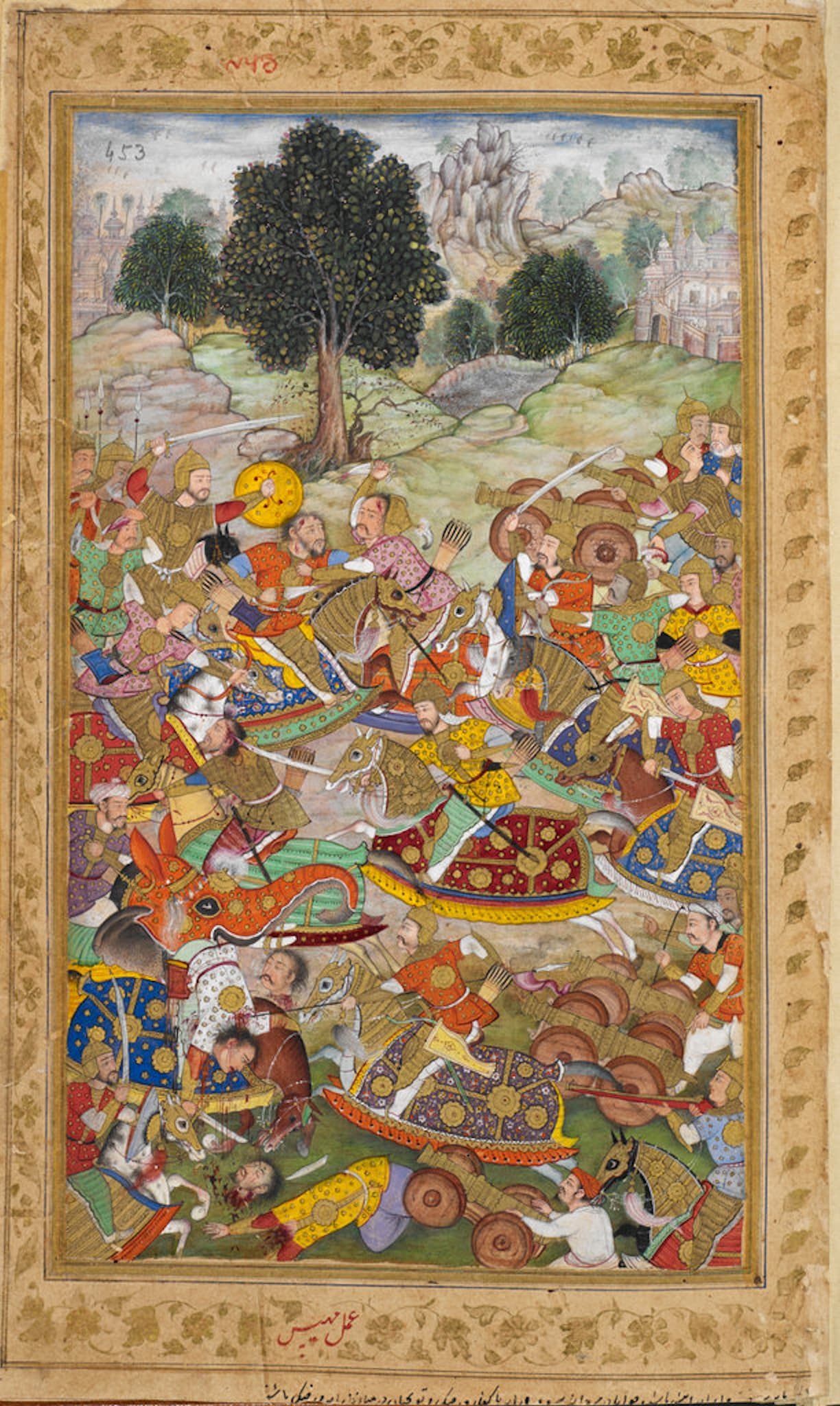
Battle of Khanwa
Babur's Timurid forces defeated the combined Rajput armies of Rana Sanga of Mewar near Agra. The victory consolidated Mughal control over northern India.
Khanwa
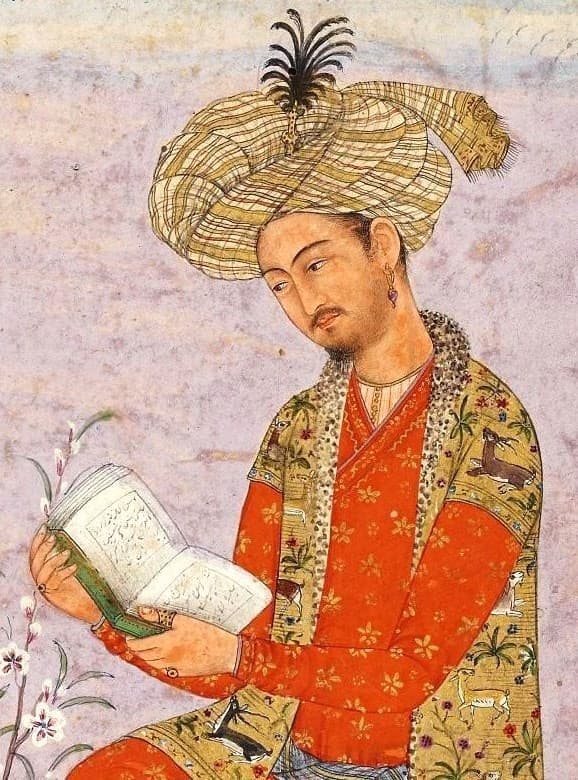
Death of Babur
The founder of the Mughal Empire died after establishing Mughal rule but before consolidating his gains. His son Humayun succeeded him.
Agra
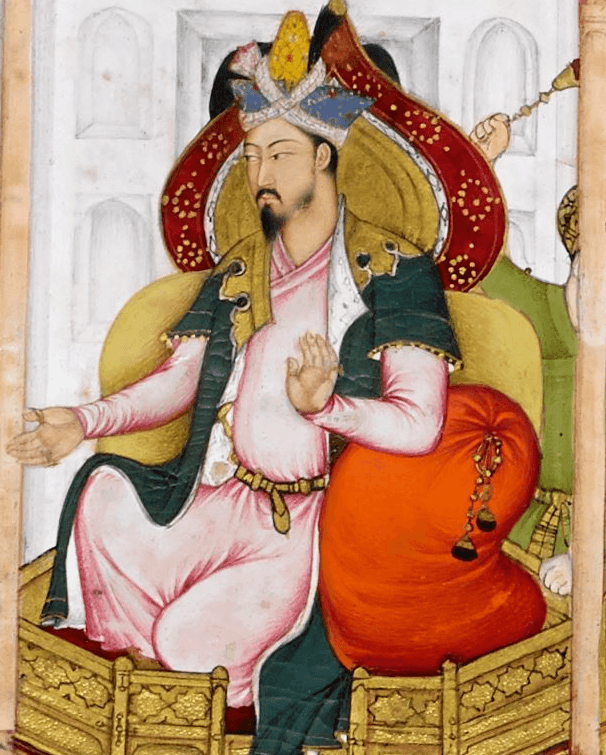
Humayun Forced into Exile
The rebellious Sher Shah Suri defeated and forced Mughal Emperor Humayun into exile in Persia. This established diplomatic ties between Safavid and Mughal courts.
India
Humayun's Return from Persia
Humayun triumphantly returned from exile in Persia and restored Mughal rule in parts of India. He died in an accident the following year.
India
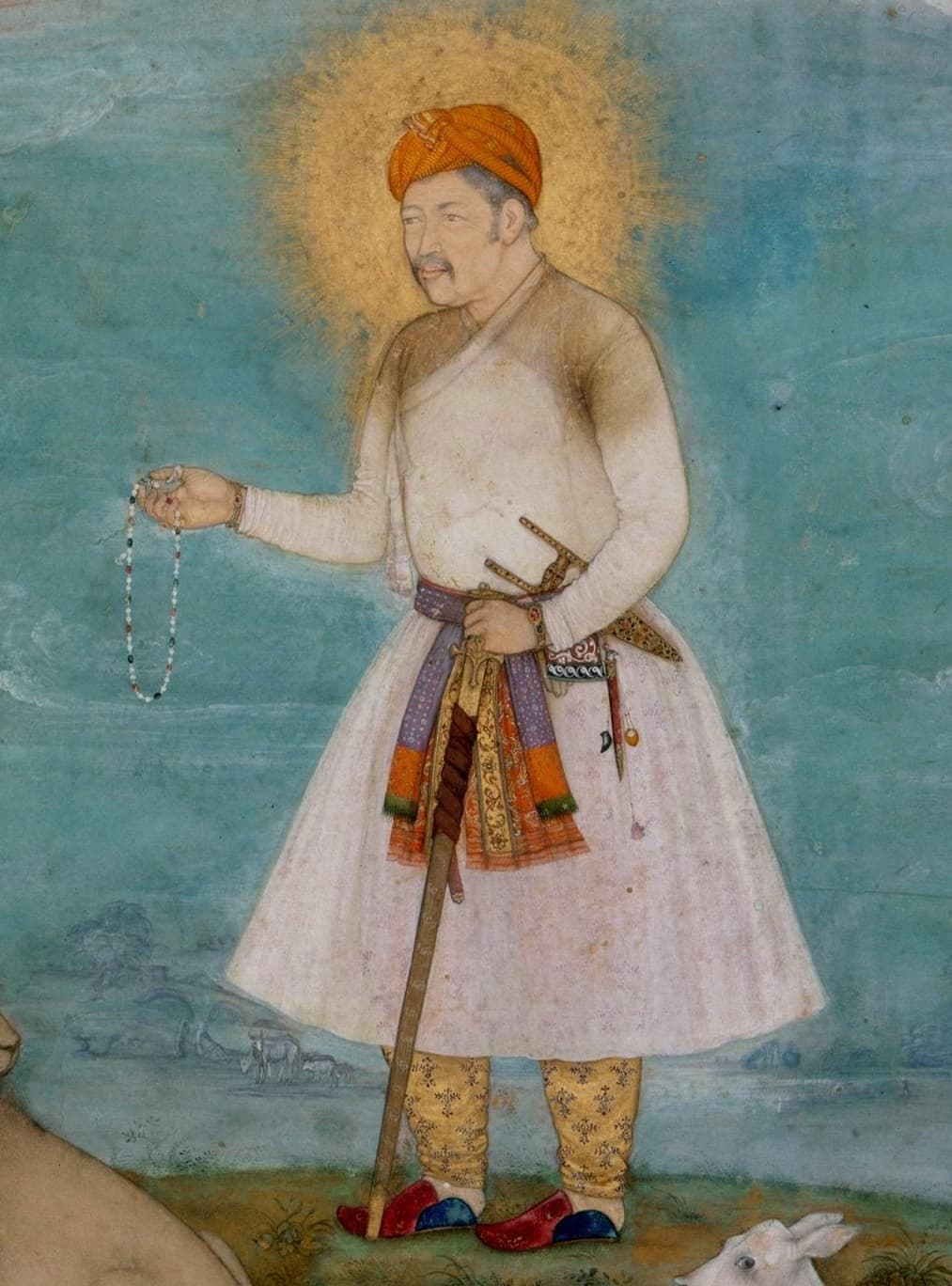
Akbar Ascends the Throne
Jalal-ud-din Muhammad Akbar succeeded to the throne under regent Bairam Khan, who helped consolidate the Mughal Empire. Akbar would extend the empire across the Indian subcontinent.
Delhi
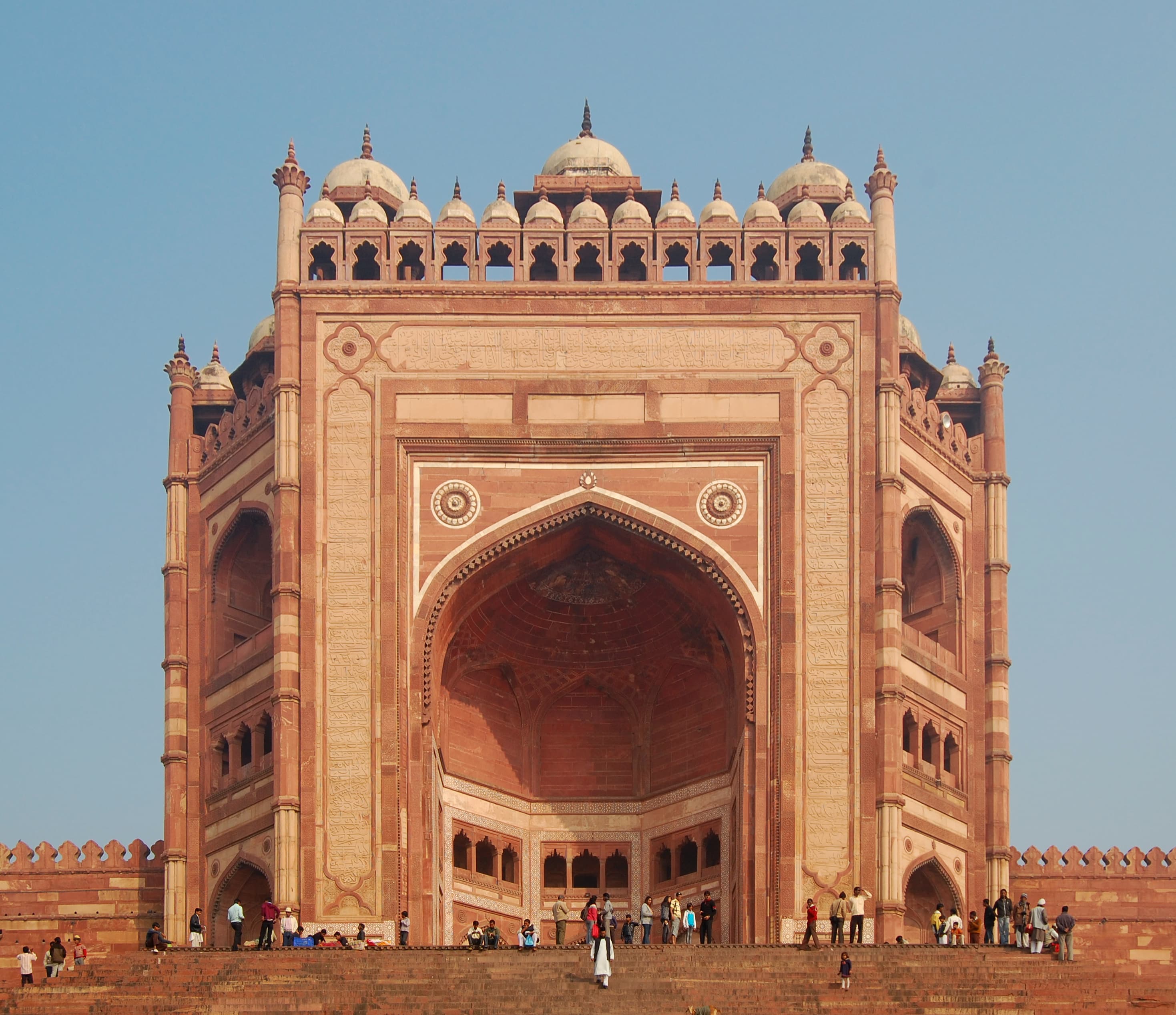
Construction of Fatehpur Sikri
Akbar established a new capital city at Fatehpur Sikri for ideological reasons. The city featured magnificent architecture including the Buland Darwaza gate.
Fatehpur Sikri
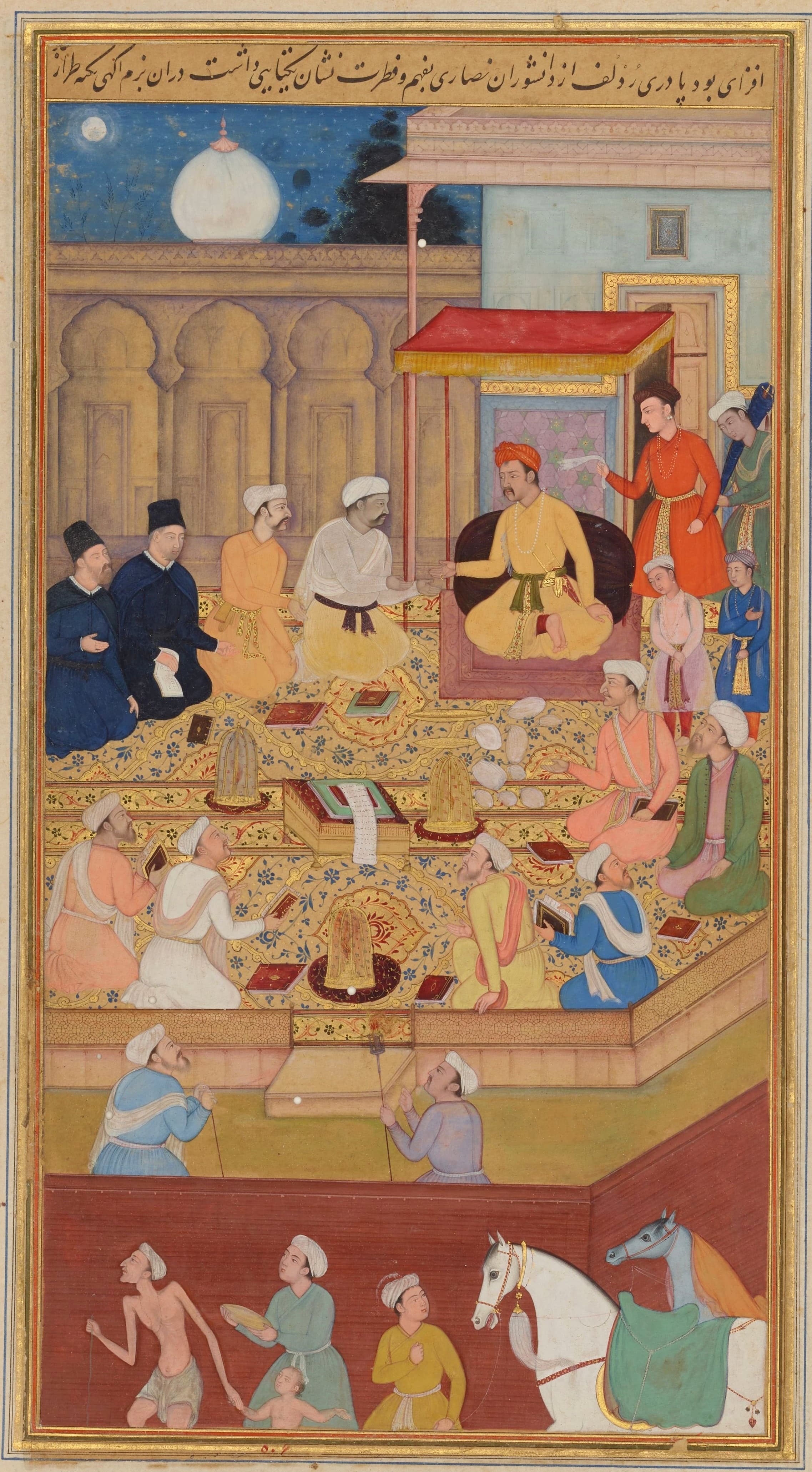
Akbar Establishes Din-i-Ilahi
Emperor Akbar created a new syncretic religion with strong characteristics of a ruler cult. He attempted to resolve socio-political and cultural differences through this faith.
Fatehpur Sikri
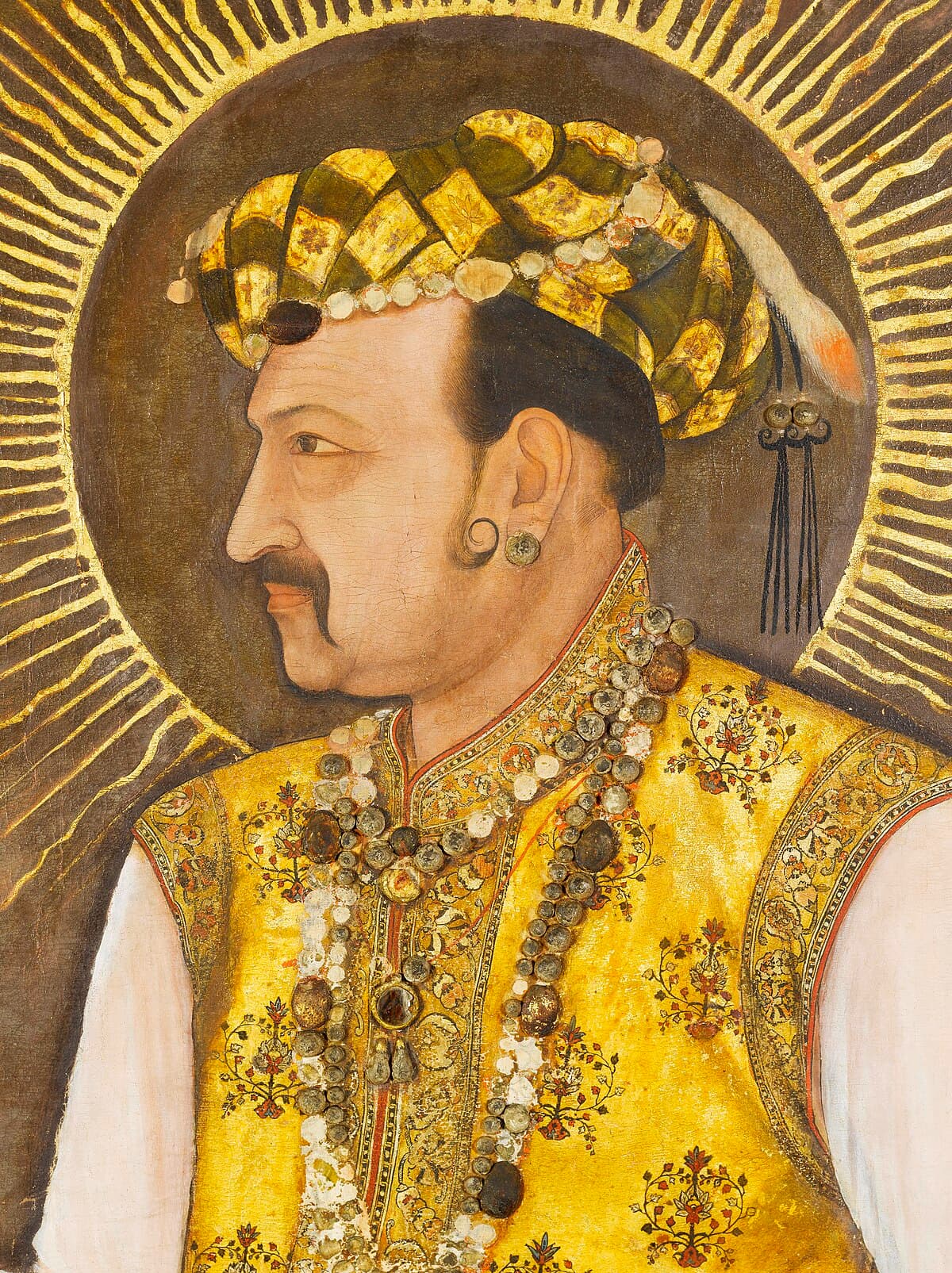
Jahangir's Reign Begins
Salim ascended the throne as Emperor Jahangir after Akbar's death. He distinguished himself by gaining support of Islamic religious establishment through generous land grants.
Agra
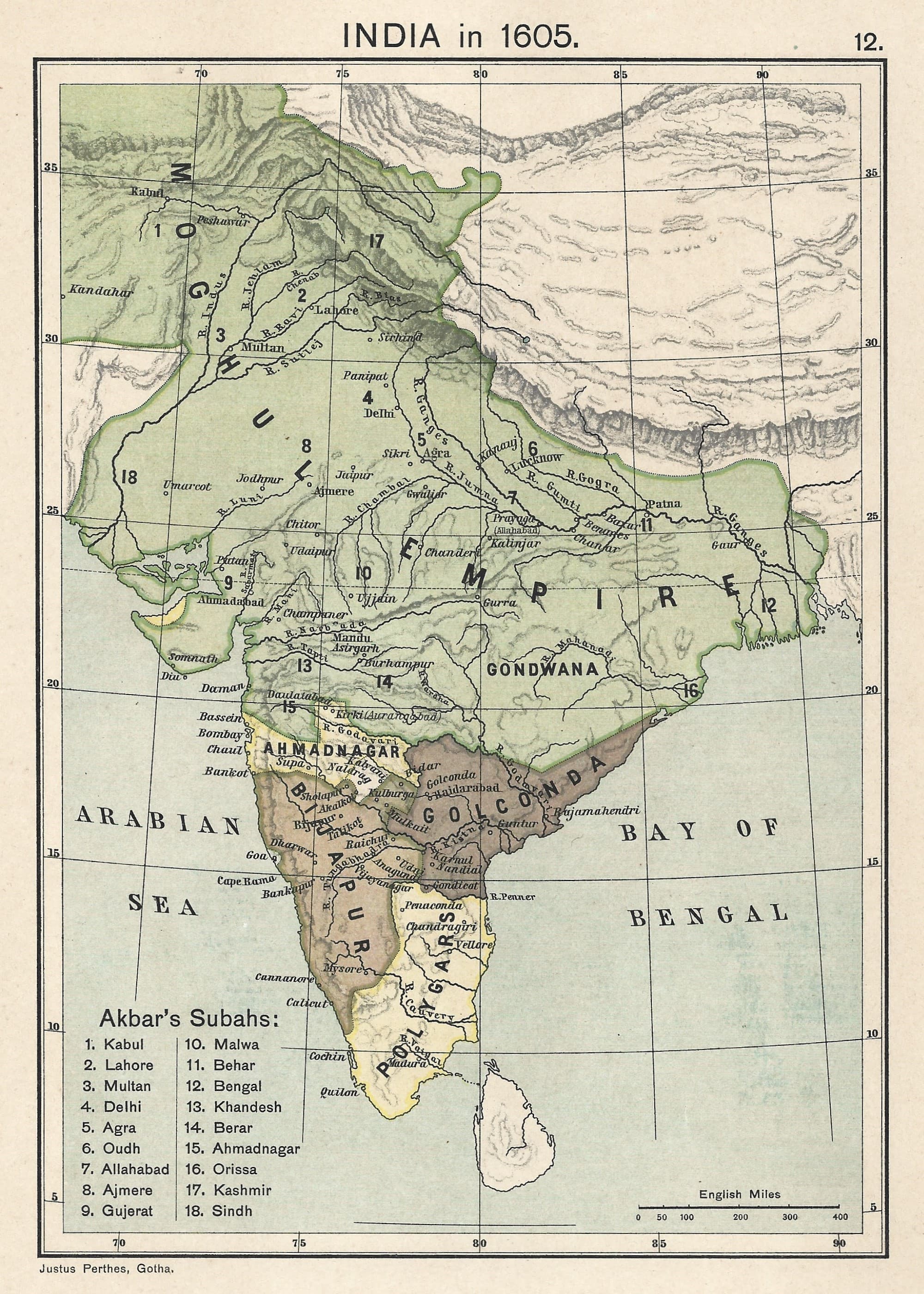
Death of Akbar
Emperor Akbar died after a reign that extended Mughal control across northern India and established stable governance. He left his son Jahangir an empire in its golden age.
Agra
Execution of Guru Arjan
Jahangir ordered the execution of Sikh Guru Arjan, marking the first of many conflicts between the Mughal Empire and the Sikh community.
Lahore
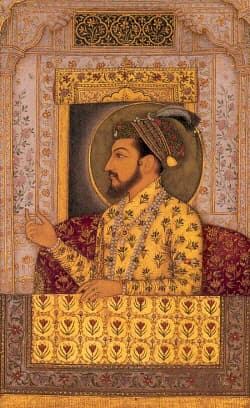
Shah Jahan Becomes Emperor
Shah Jahan's reign began, ushering in the golden age of Mughal architecture. His court reached its peak of splendor but expenditures began exceeding revenues.
Agra
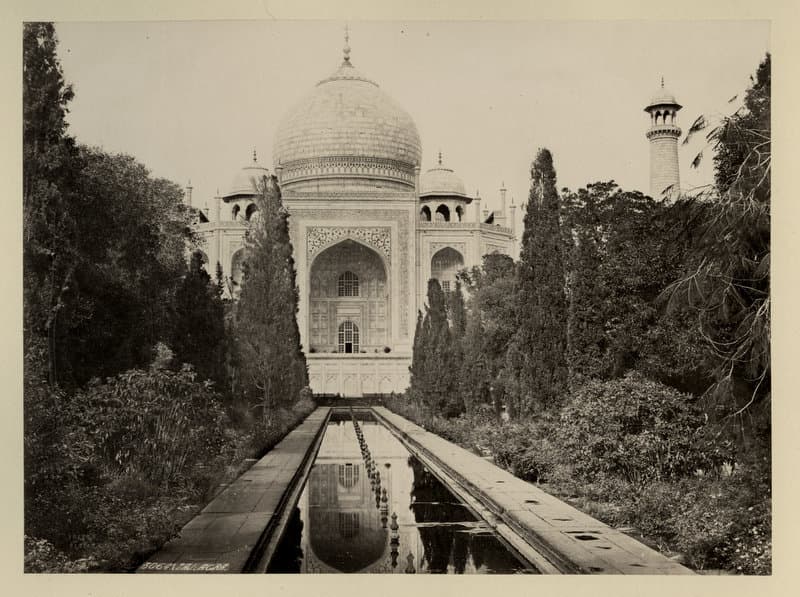
Construction of the Taj Mahal
Shah Jahan commissioned the Taj Mahal, which became known as the jewel of Muslim art in India. The monument exemplified the peak of Mughal architectural achievement.
Agra
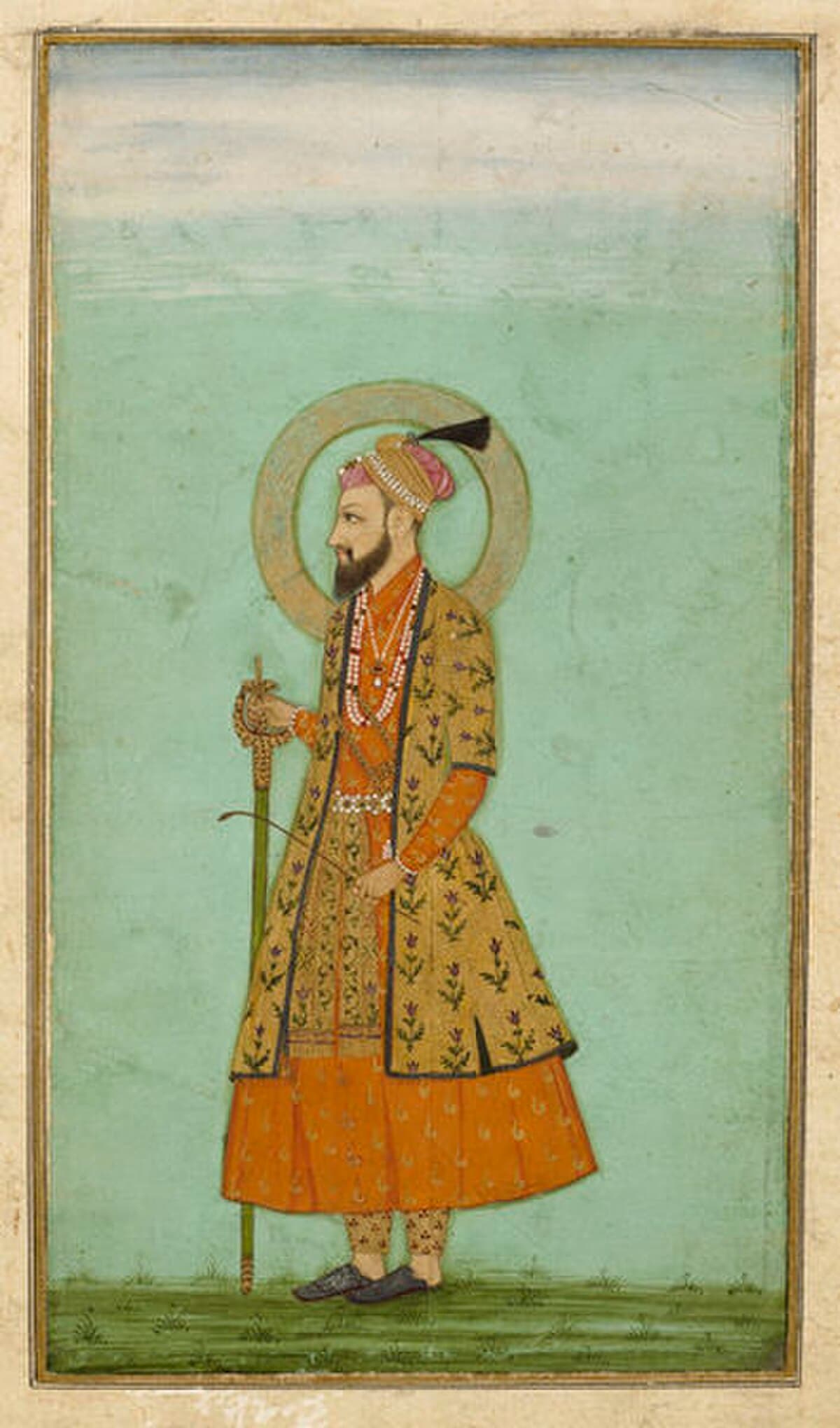
Aurangzeb Seizes the Throne
With Islamic orthodox support, Aurangzeb defeated his brother Dara Shikoh and seized the throne from his ill father. He imprisoned Shah Jahan until his death in 1666.
Agra
Compilation of Fatawa Alamgiri
Aurangzeb commissioned this compendium of Hanafi Islamic law to serve as a central legal reference for the Mughal state. The work addressed the specifics of the South Asian context.
India
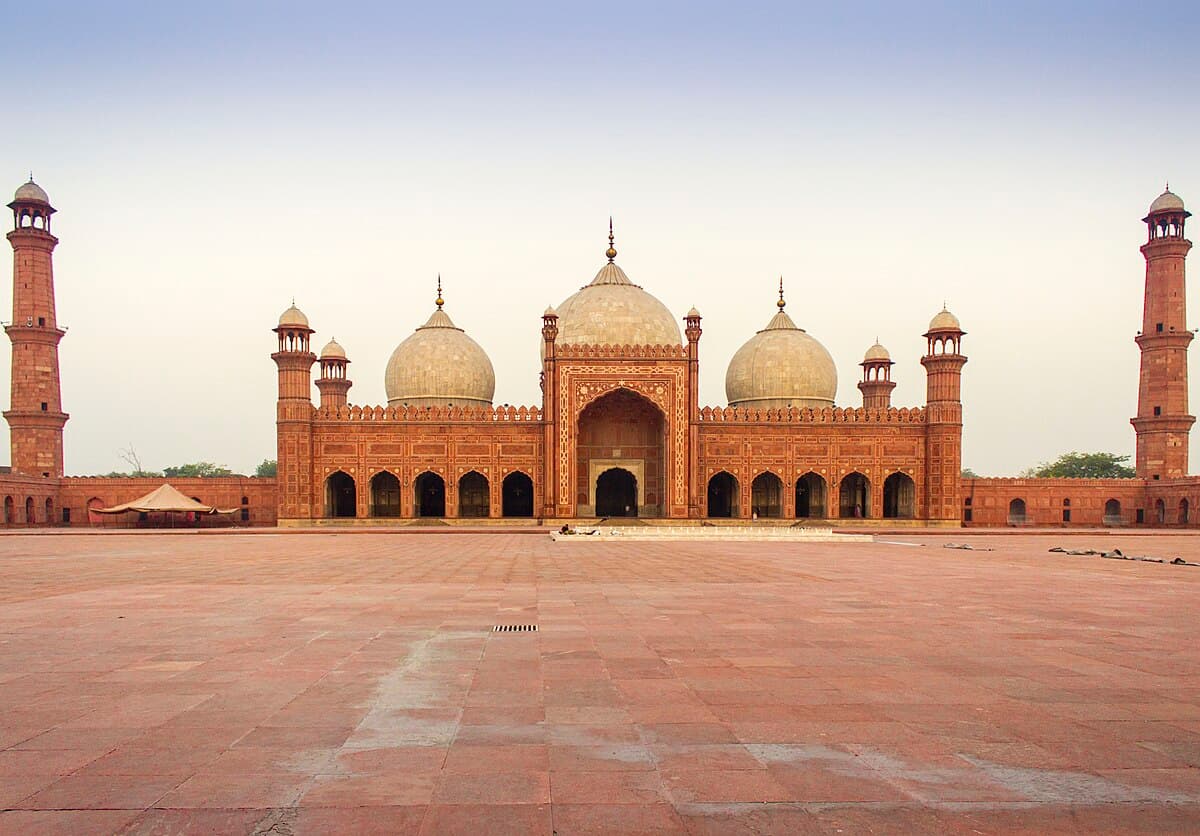
Construction of Badshahi Mosque
The grand Badshahi Mosque was built in Lahore during the Mughal period, representing one of the empire's most significant architectural achievements.
Lahore
Execution of Guru Tegh Bahadur
Aurangzeb ordered the execution of Sikh Guru Tegh Bahadur, which led to the militarization of the Sikh community and increased resistance to Mughal rule.
Delhi
Aurangzeb's Deccan Campaigns
Aurangzeb led prolonged military campaigns in the Deccan from 1682, eventually annexing Bijapur and Golconda. The campaigns had a ruinous effect on the empire's treasury and stability.
Deccan
Death of Aurangzeb
Emperor Aurangzeb died after bringing the empire to its greatest territorial extent but leaving it financially exhausted. His death marked the beginning of rapid Mughal decline.
Ahmednagar
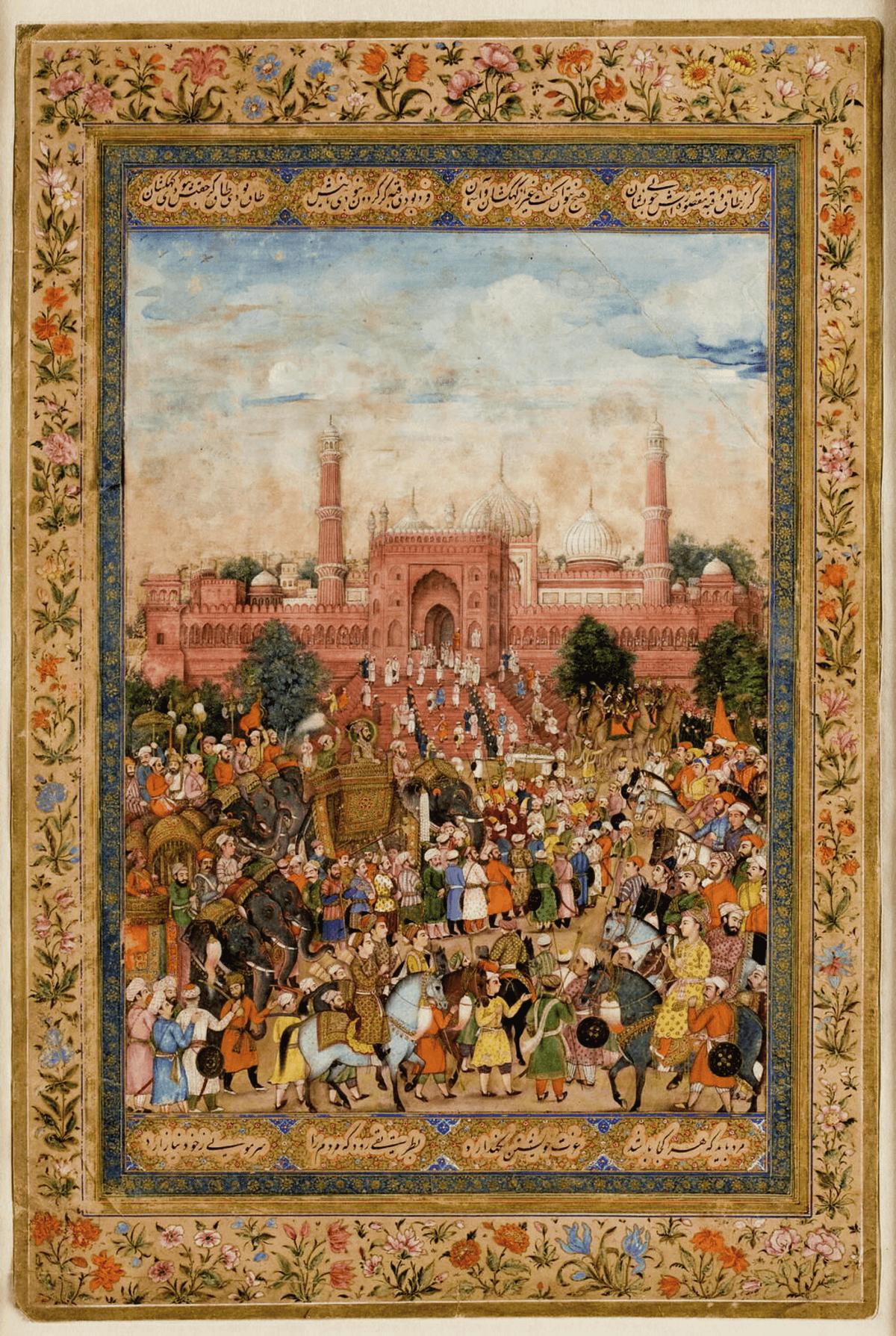
Rule of Sayyid Brothers
After 1719, four emperors successively ascended the throne in one year alone. The Sayyid Brothers became de facto sovereigns, ruling through puppet emperors.
Delhi
Sack of Delhi by Nader Shah
Persian ruler Nader Shah invaded India and sacked Delhi, shattering the remnants of Mughal power. He took all the accumulated Mughal treasury, including the Peacock Throne.
Delhi
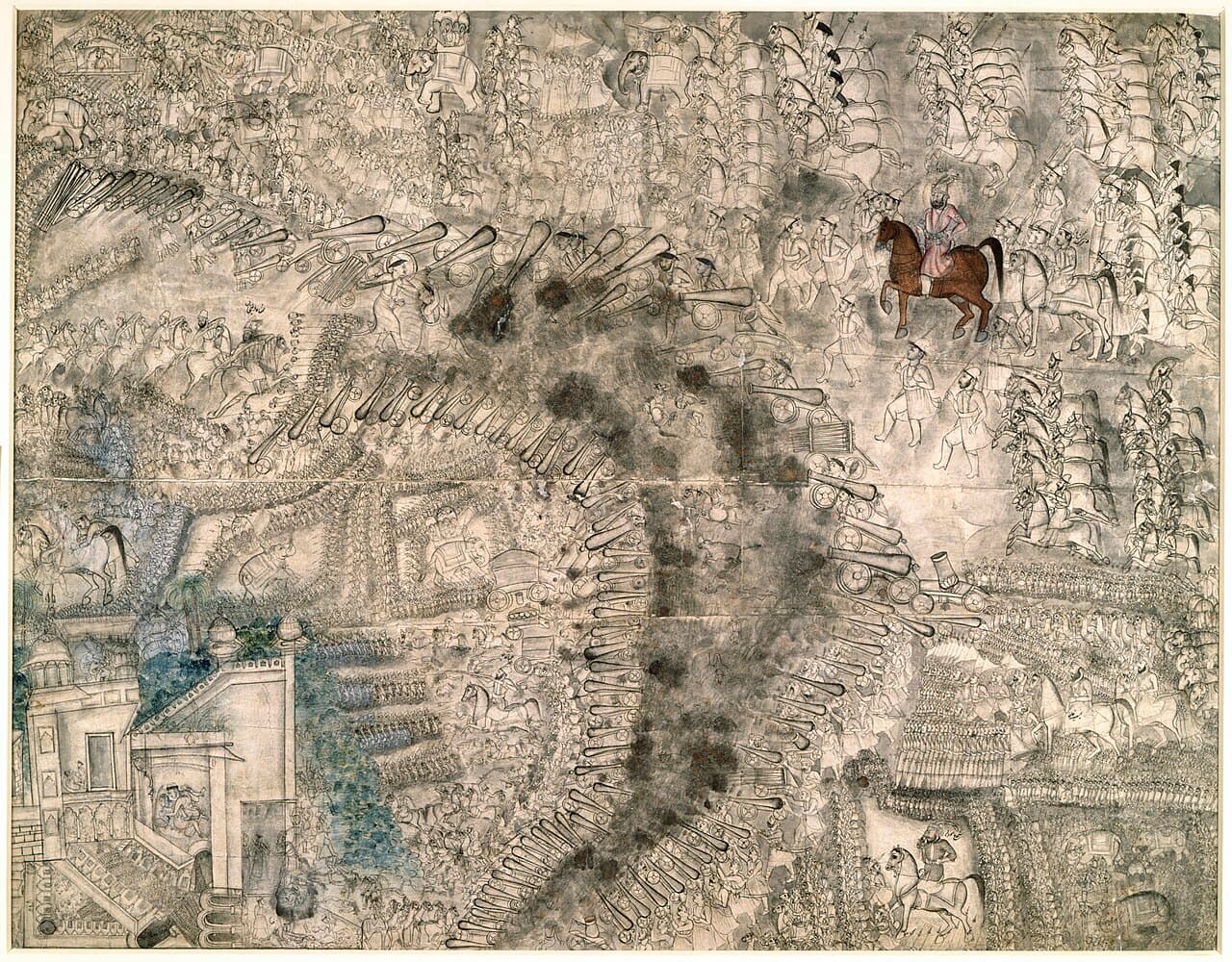
Third Battle of Panipat
Afghan forces led by Ahmad Shah Durrani defeated the Maratha Empire in a decisive battle. The Mughal emperor had ignominiously taken refuge with the British during this conflict.
Panipat
Marathas Become Imperial Protectors
The Maratha Empire officially became the protectors of the Mughal emperor in Delhi. This arrangement continued until the Second Anglo-Maratha War.
Delhi
British Control of Bengal-Bihar
The British East India Company took control of the former Mughal province of Bengal-Bihar after abolishing local rule. This marked the beginning of British colonial era over the Indian subcontinent.
Bengal
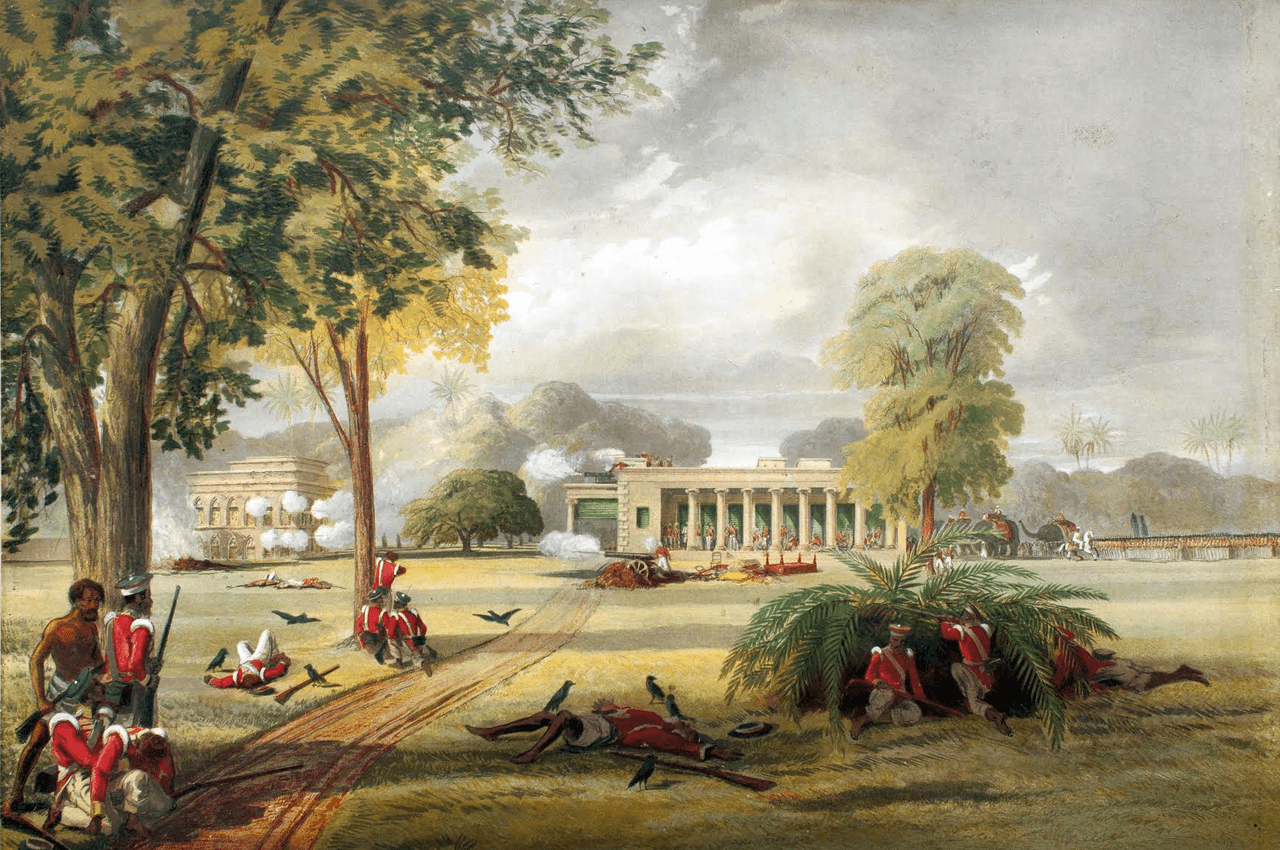
Indian Rebellion of 1857
A major uprising against British East India Company rule was nominally led by Mughal Emperor Bahadur Shah Zafar. The crushing defeat led to the formal dissolution of the Mughal Empire.
India
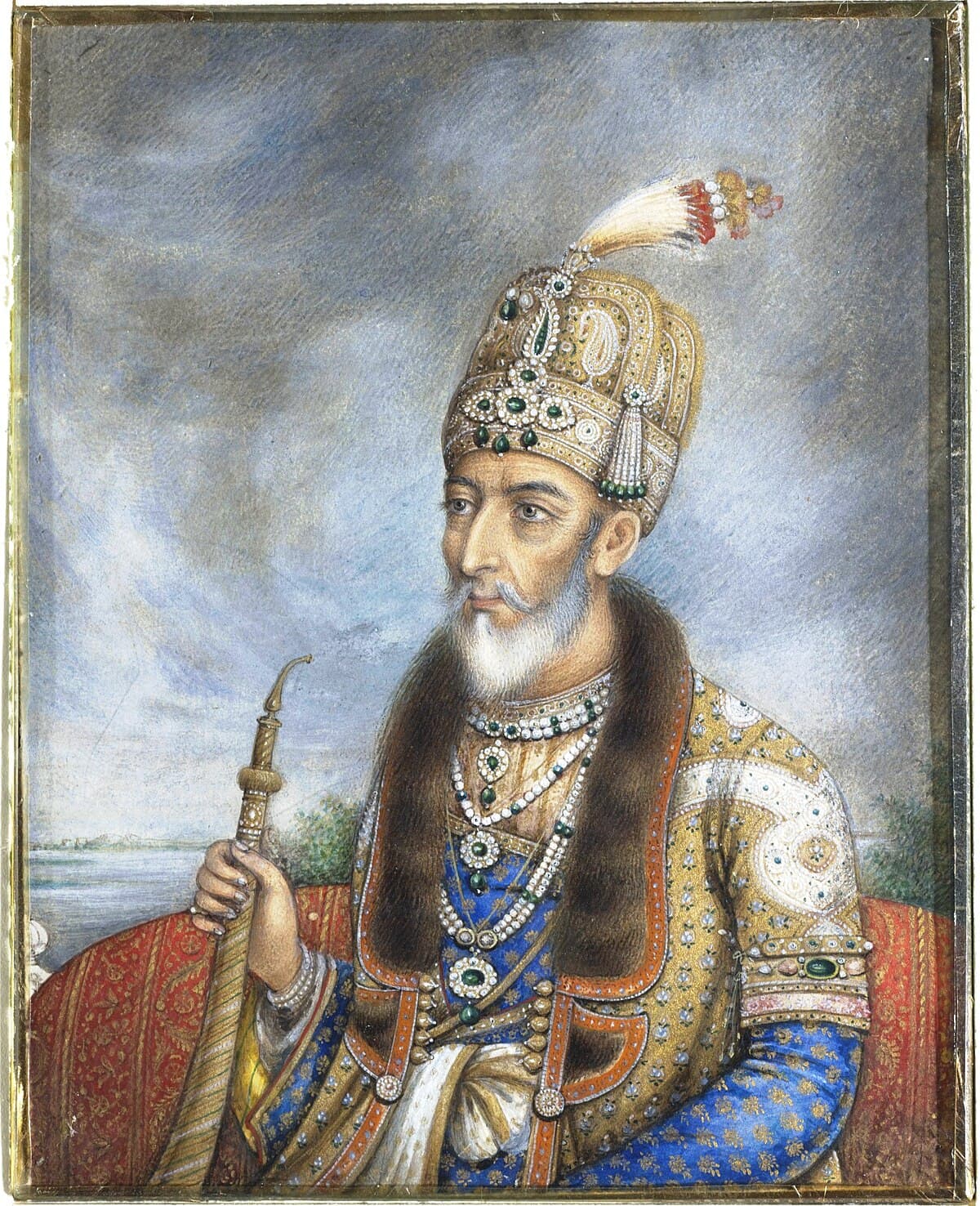
Exile of Bahadur Shah Zafar
The last Mughal emperor was deposed by the British East India Company and exiled to Rangoon, Burma. This marked the formal end of the Mughal Empire after 331 years.
Delhi