
The Minoan Civilization: 2600-1100 BC
The Minoan Civilization: 2600-1100 BC
by @archivist
A comprehensive chronicle of the Bronze Age Minoan culture that flourished on Crete and throughout the Aegean islands, tracing its development from early settlements through its peak as a maritime and artistic powerhouse to its eventual decline. This timeline captures the major periods, architectural achievements, cultural innovations, and historical events that defined one of the ancient world's most sophisticated civilizations.
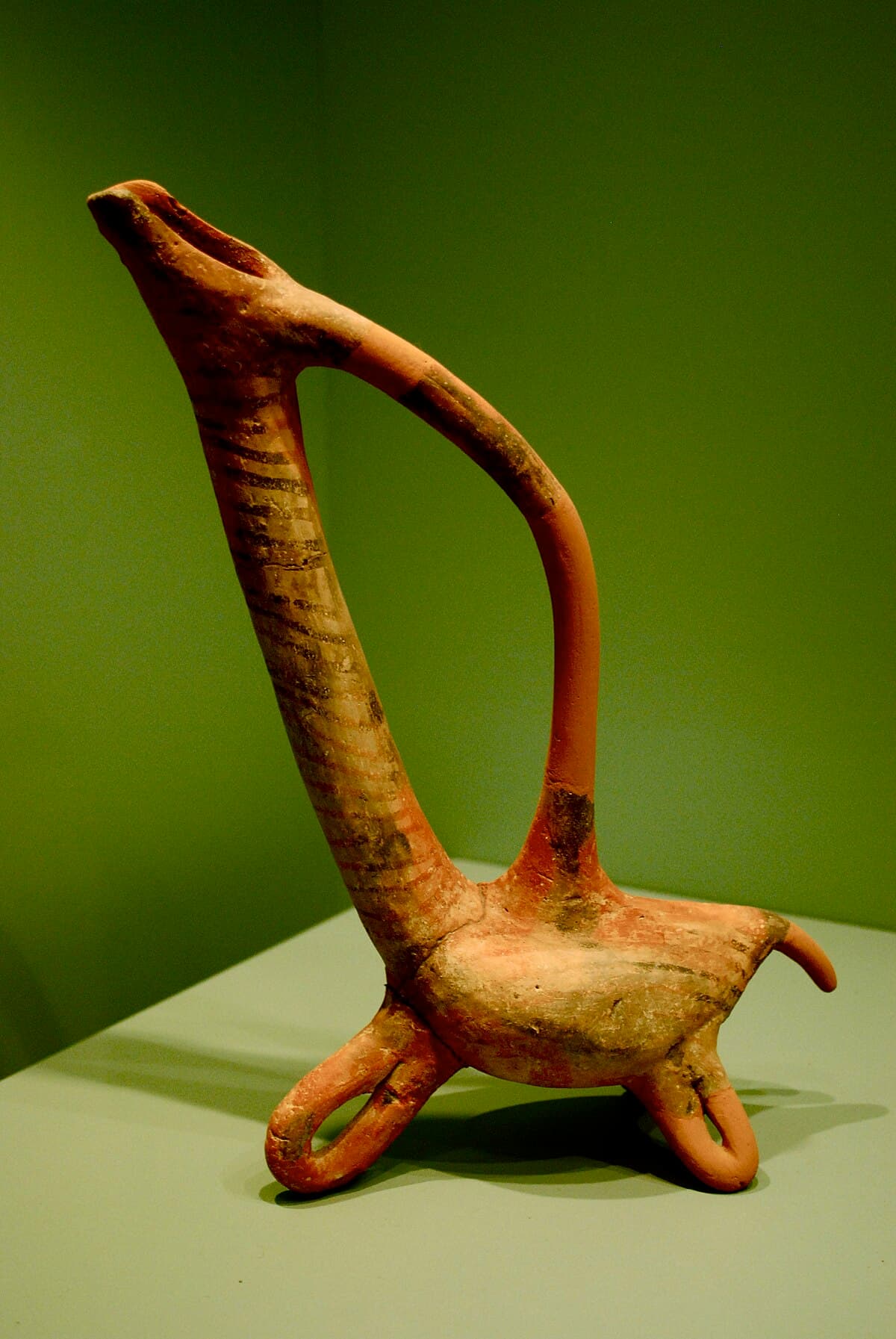
First Painted Ceramics Appear
Minoan artisans began producing the first painted ceramic vessels, marking a significant advancement in artistic expression. This innovation distinguished Early Minoan I culture from its Neolithic predecessors.
Crete
Emergence of Minoan Civilization
The Bronze Age Minoan culture emerged on Crete, developing from local Neolithic communities into what would become Europe's first major civilization. This transformation marked the beginning of complex urban societies in the Aegean region.
Crete
International Trade Era Begins
Minoan maritime commerce expanded dramatically with ships sailing beyond the Aegean to Egypt and Syria. The invention of masted vessels likely enabled this expansion of trade networks across the eastern Mediterranean.
Aegean Sea
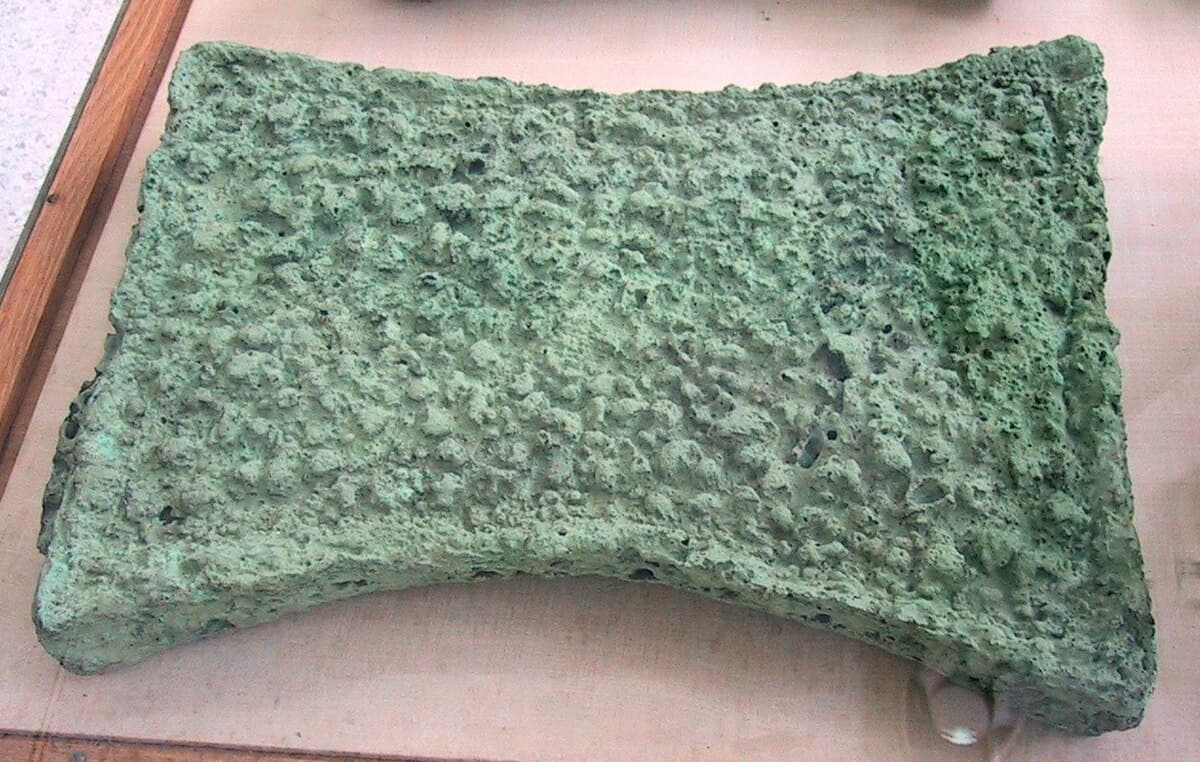
Copper Ingot Trade Networks
Minoans imported raw copper and other metals through extensive trade networks to compensate for Crete's metal-poor geology. These ingots were exchanged for agricultural products and luxury crafts.
Crete
Potter's Wheel Adopted
Middle Minoan artisans adopted the potter's wheel technology and developed new colorful paints. These innovations enabled production of sophisticated wares like Kamares pottery.
Crete
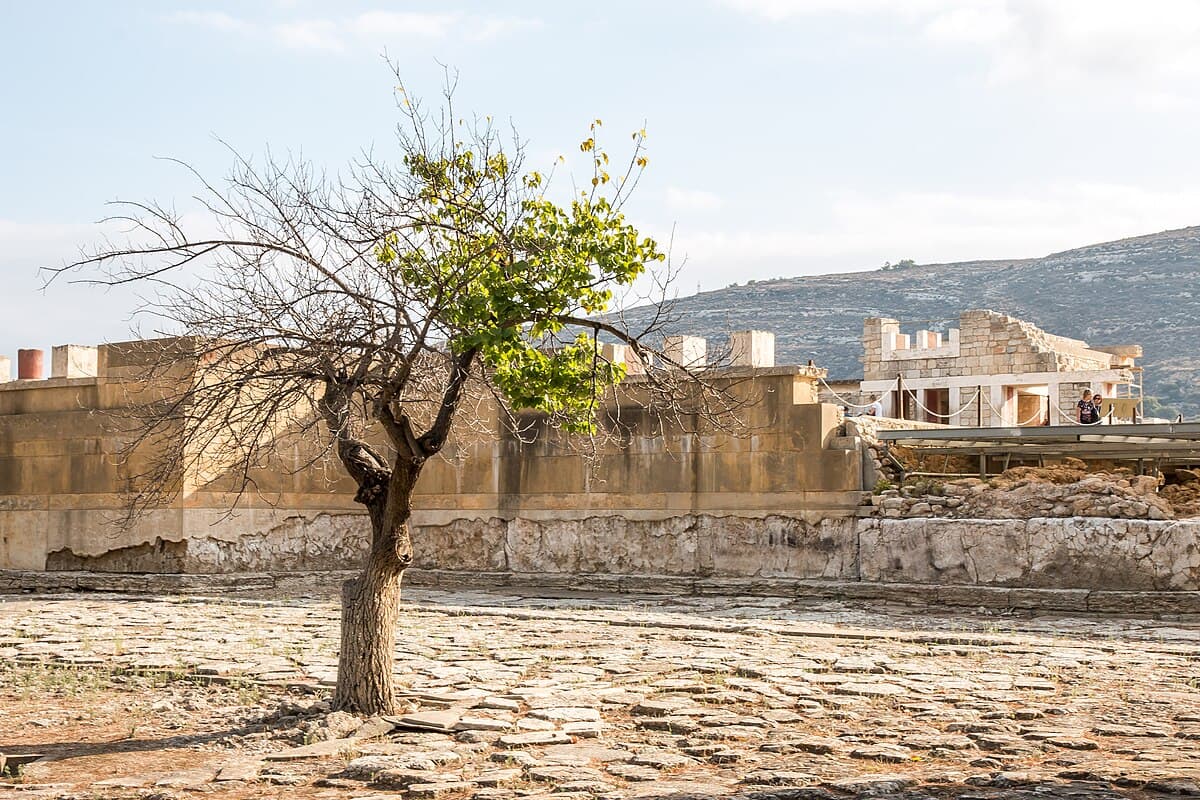
Construction of First Palaces
Monumental palace complexes were erected at Knossos, Phaistos, and Malia during Middle Minoan IB. These labyrinthine structures served religious and economic functions, transforming Minoan society.
Knossos
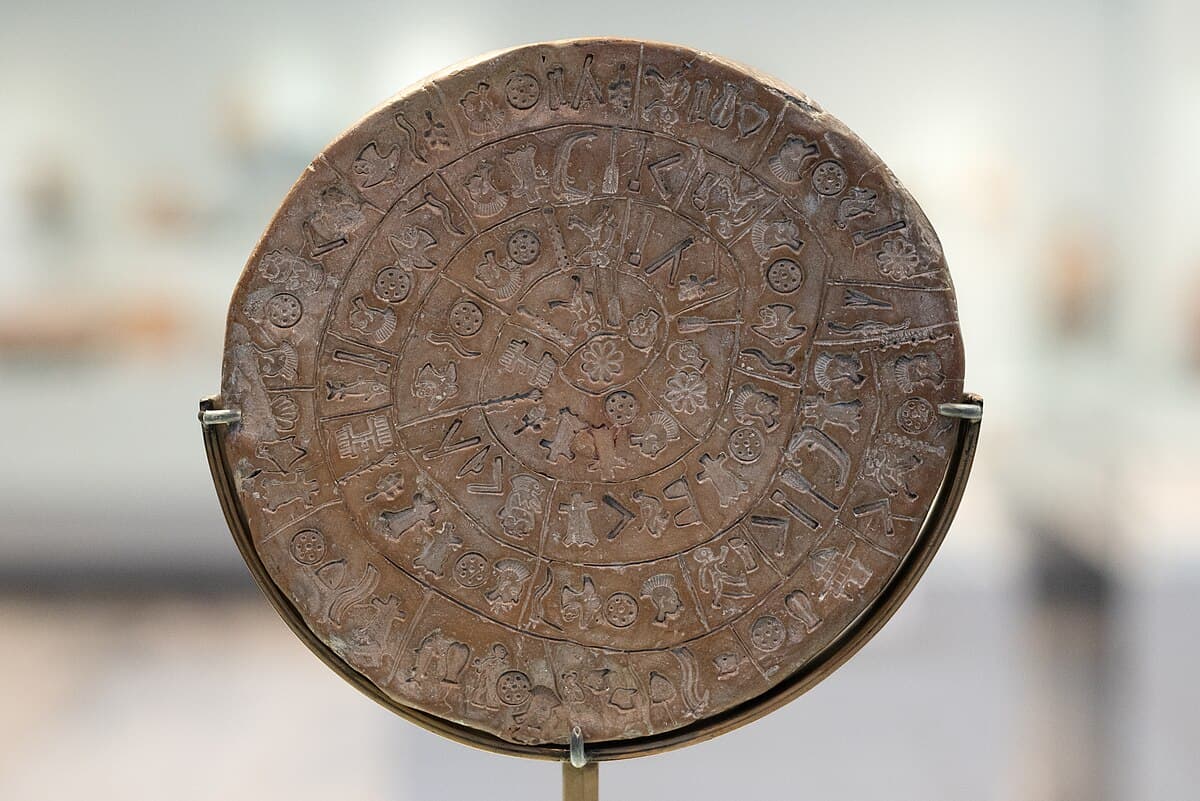
Development of Writing Systems
Cretan hieroglyphic script and Linear A were developed during Middle Minoan II, enabling record-keeping and administration. These undeciphered scripts represent the earliest writing in the Aegean world.
Crete
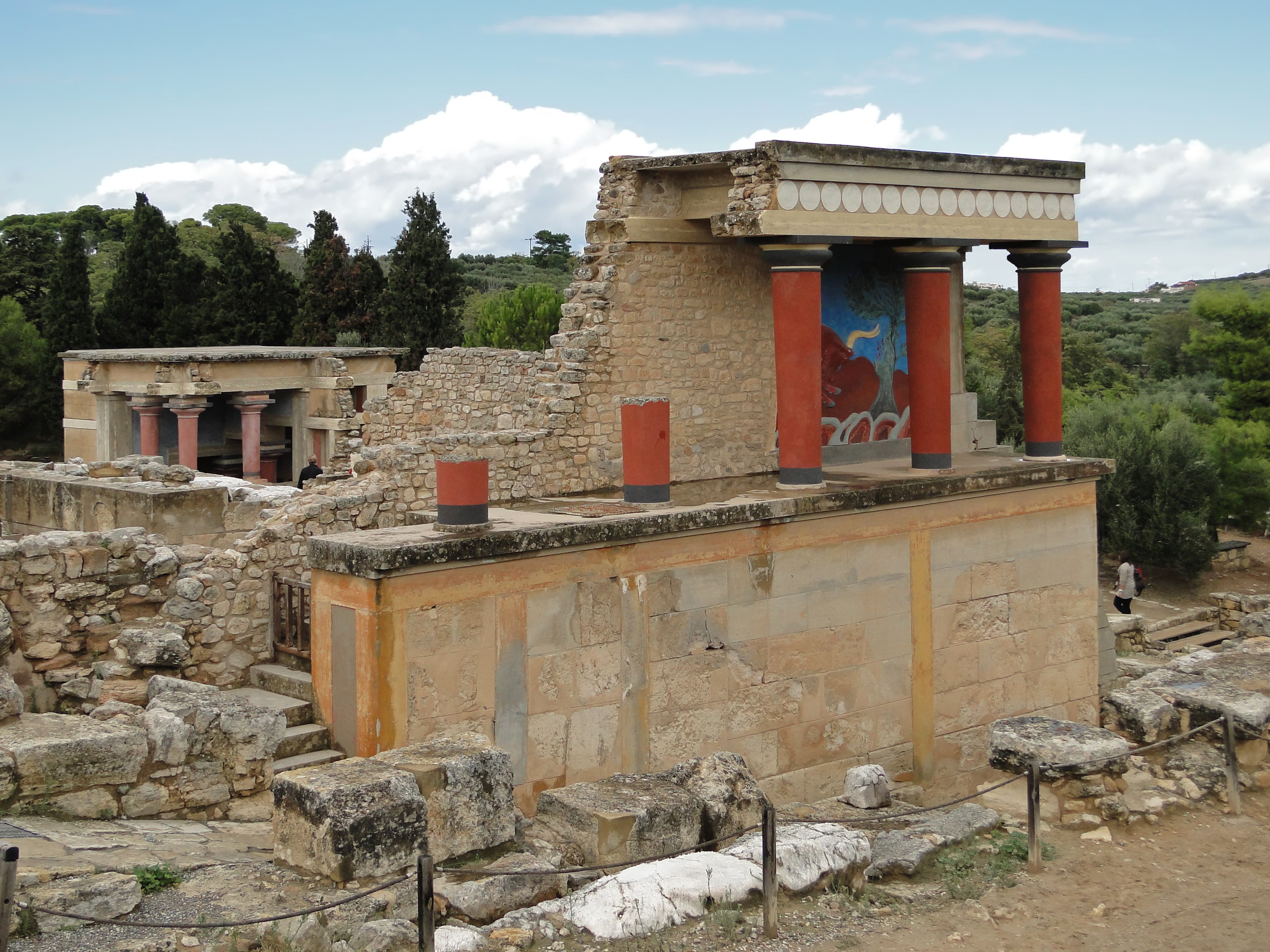
Neopalatial Rebuilding Projects
Most palaces were reconstructed with innovative architectural features following the earlier destructions. Cretan hieroglyphs were abandoned in favor of Linear A as the administrative script.
Crete
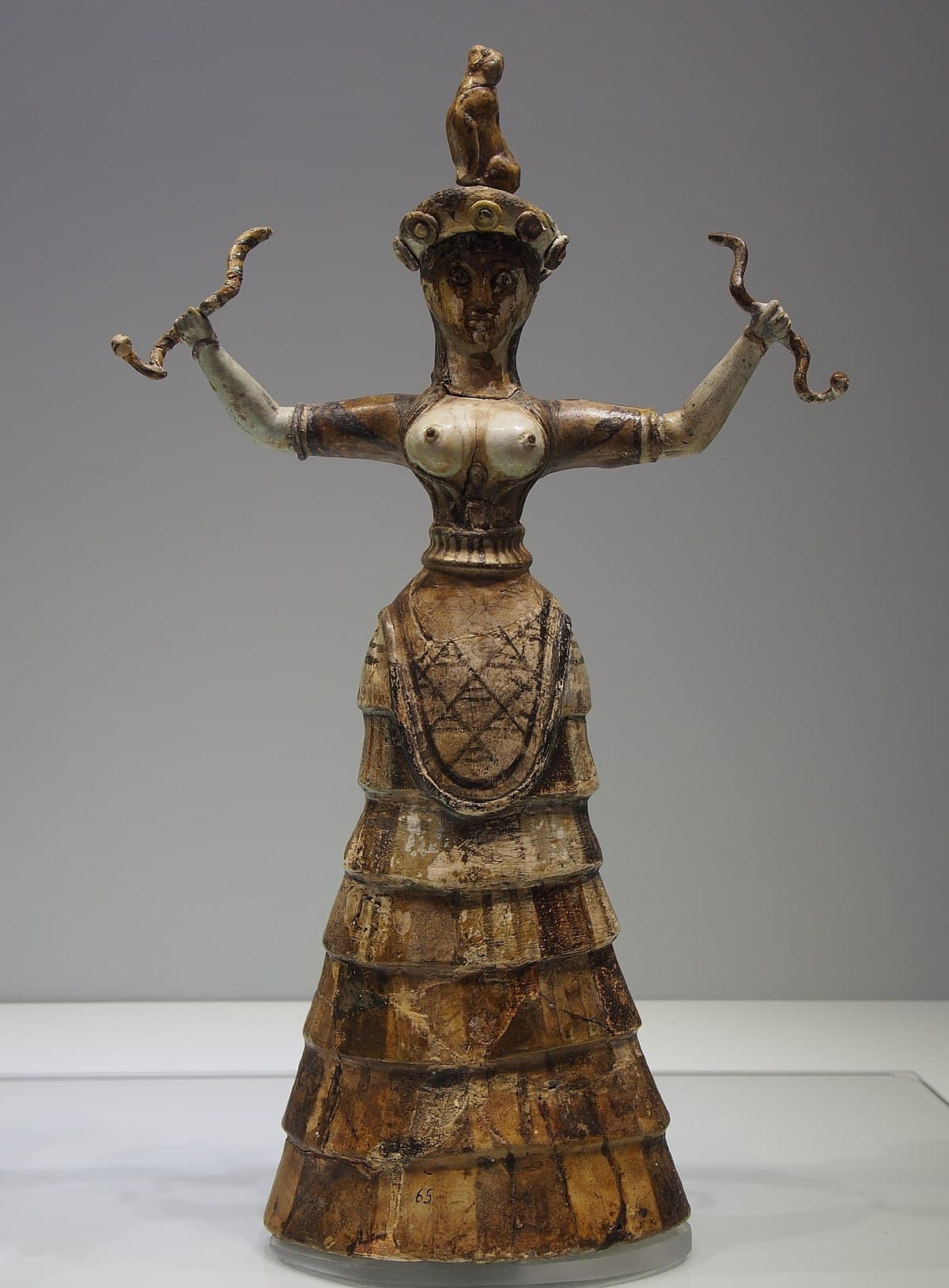
Creation of Snake Goddess Figurines
Elaborate faience figurines depicting priestesses or deities holding serpents were crafted during the Neopalatial period. These iconic artifacts provide insight into Minoan religious practices.
Knossos
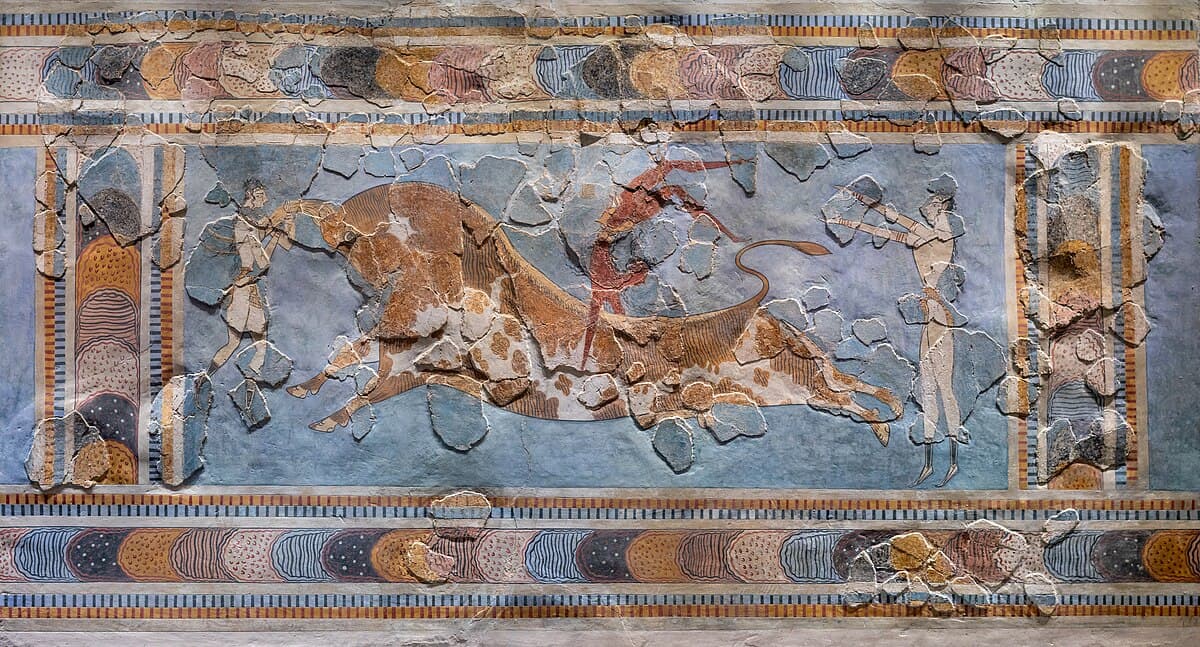
Bull-Leaping Ritual Practices
Athletic ceremonies involving acrobats vaulting over bulls were performed and depicted in frescoes and sculpture. This dangerous ritual held religious significance in Minoan culture.
Knossos
Mass Destruction of Palaces
Widespread devastation, likely caused by earthquakes, destroyed the original palace structures across Crete. This catastrophe marked the end of the Protopalatial period.
Crete

Ship Procession Fresco Created
Artists at Akrotiri painted the elaborate Ship Procession fresco showing a naval flotilla. This masterwork depicts Minoan maritime culture and seafaring activities.
Akrotiri, Thera
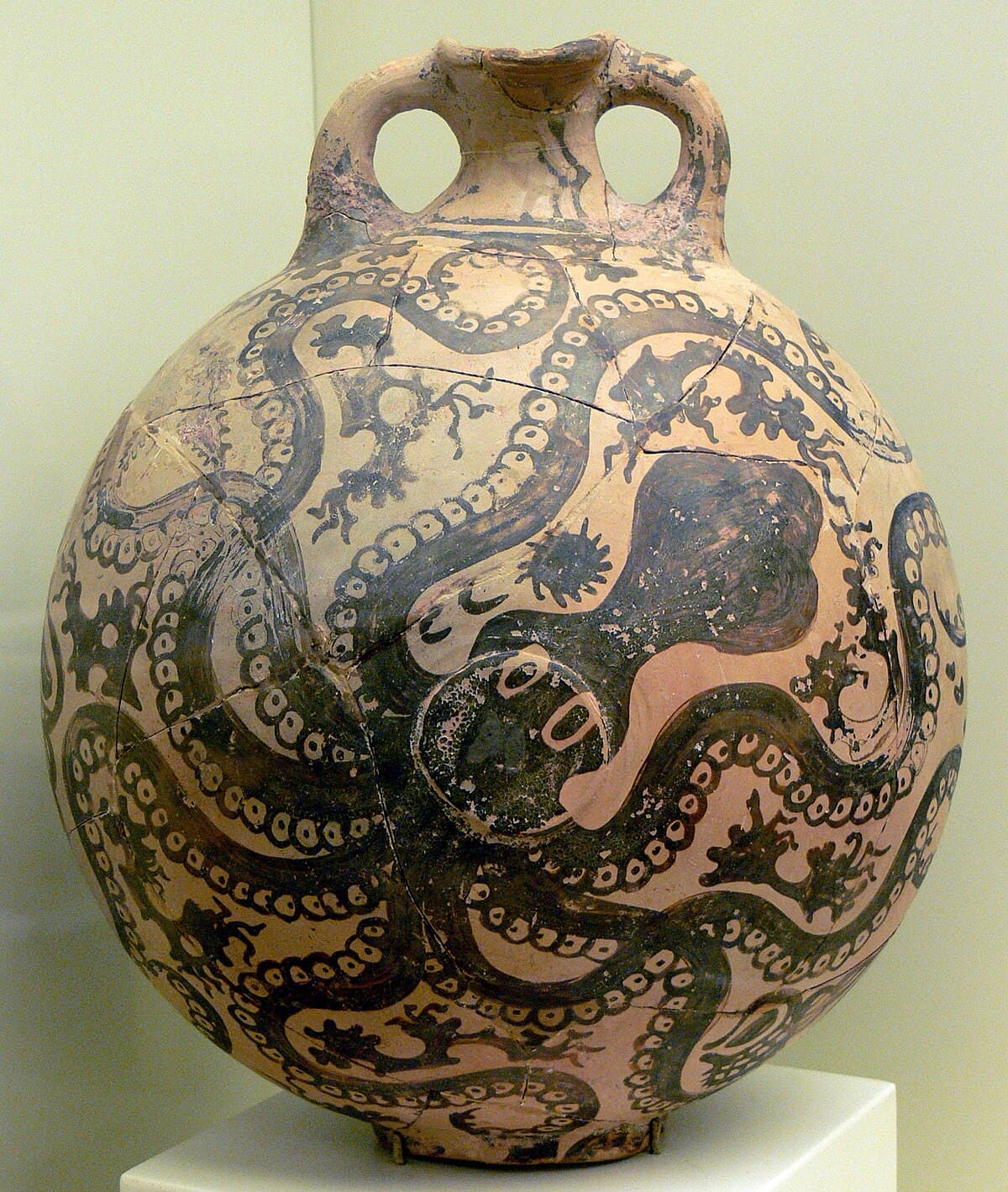
Marine Style Pottery Flourishes
Minoan artisans developed the distinctive Marine Style of pottery decoration featuring octopuses and sea creatures. This artistic innovation reflected the Minoans' deep connection to maritime life.
Crete
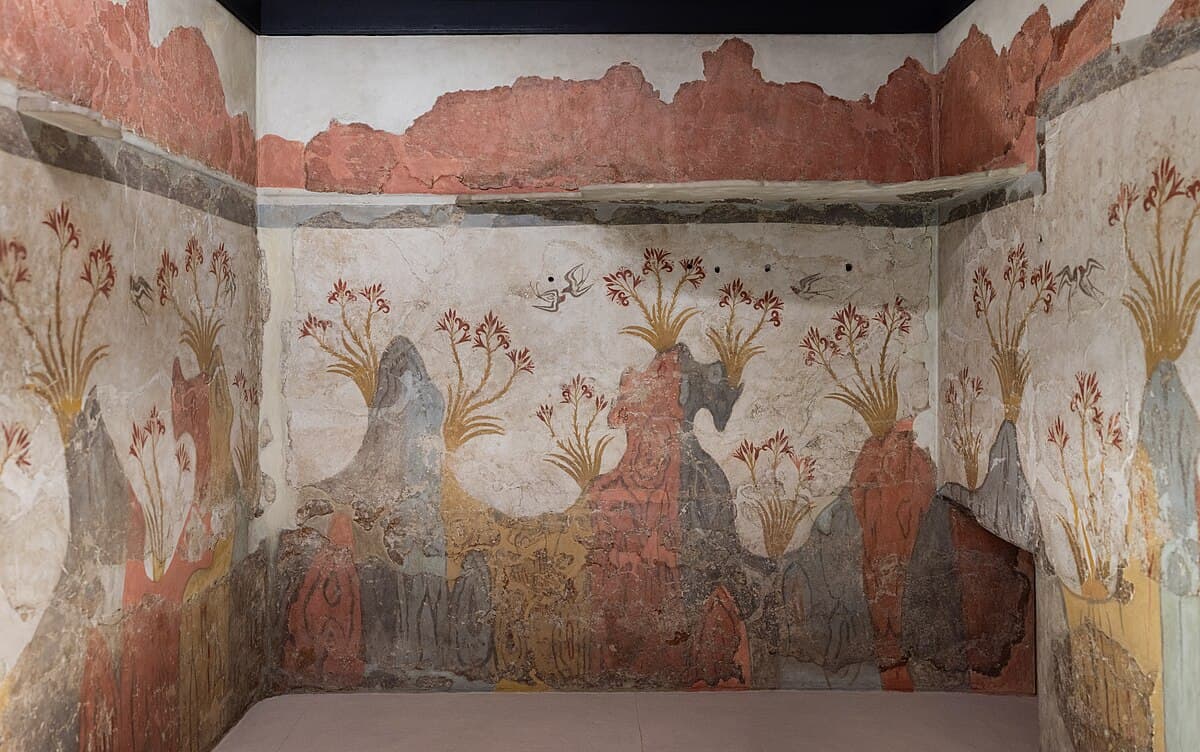
Thera Volcanic Eruption
One of history's largest volcanic explosions devastated the island of Thera and surrounding Cycladic settlements. The eruption ejected approximately 60-100 cubic kilometers of material, measuring 7 on the Volcanic Explosivity Index.
Thera (Santorini)
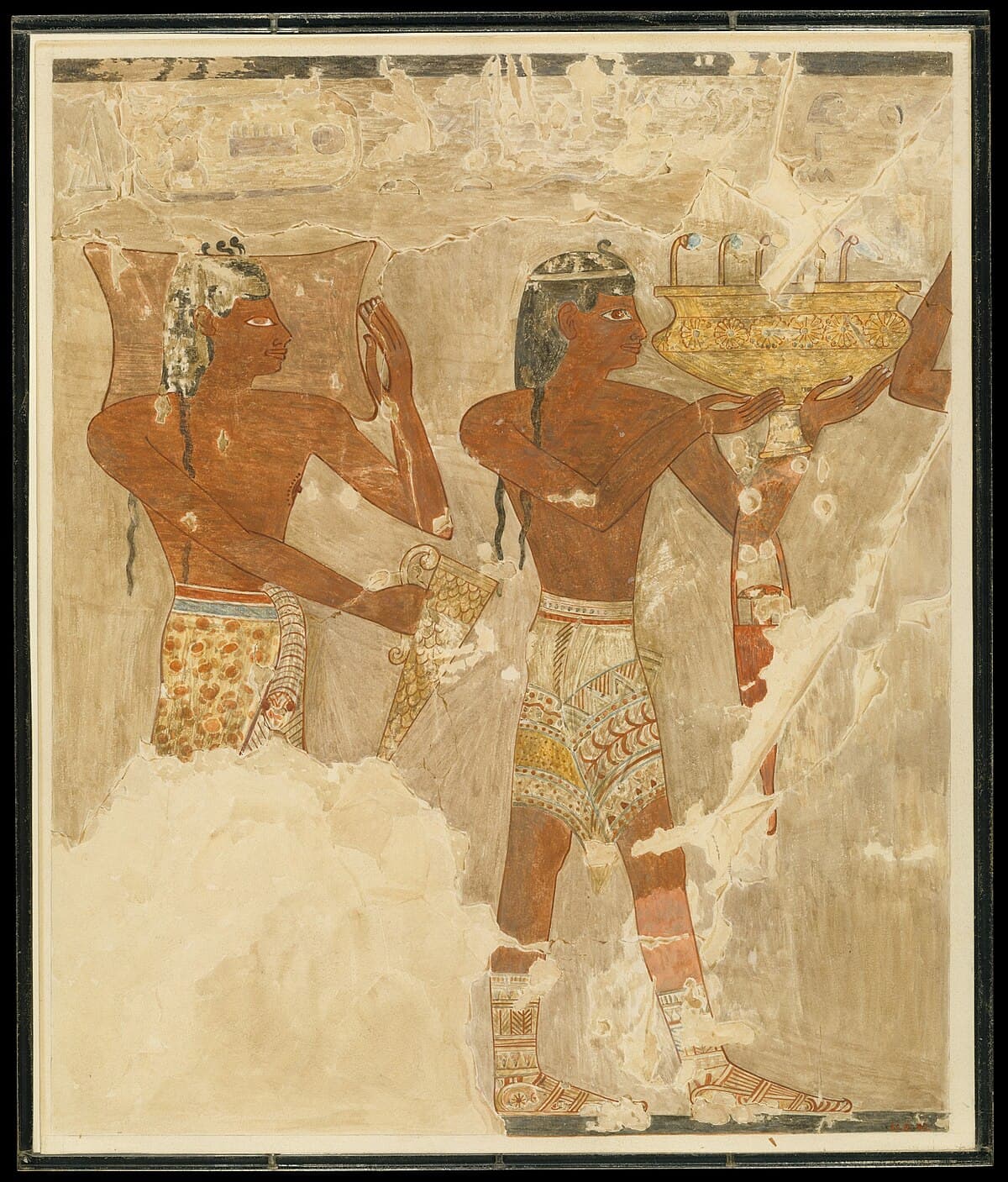
Minoan Frescoes at Egyptian Avaris
Minoan craftsmen were commissioned to paint elaborate frescoes at elite residences in Avaris, Egypt. This demonstrates the high regard for Minoan artistic skill beyond Crete.
Avaris, Egypt
End of Neopalatial Period
Severe and apparently deliberate destructions swept across Crete, sparing some sites while devastating others. The town at Knossos burned while the palace survived, suggesting internal upheaval rather than natural disaster.
Crete
Mycenaean Cultural Dominance Begins
The language of administration shifted from Minoan to Mycenaean Greek, with Linear B replacing Linear A. Material culture showed increasing mainland Greek influence as a Greek-speaking elite rose to power.
Crete
Late Bronze Age Collapse
Coastal settlements were abandoned as inhabitants retreated to defensible highland locations. Small mountain villages maintained recognizably Minoan cultural practices into the Early Iron Age.
Crete
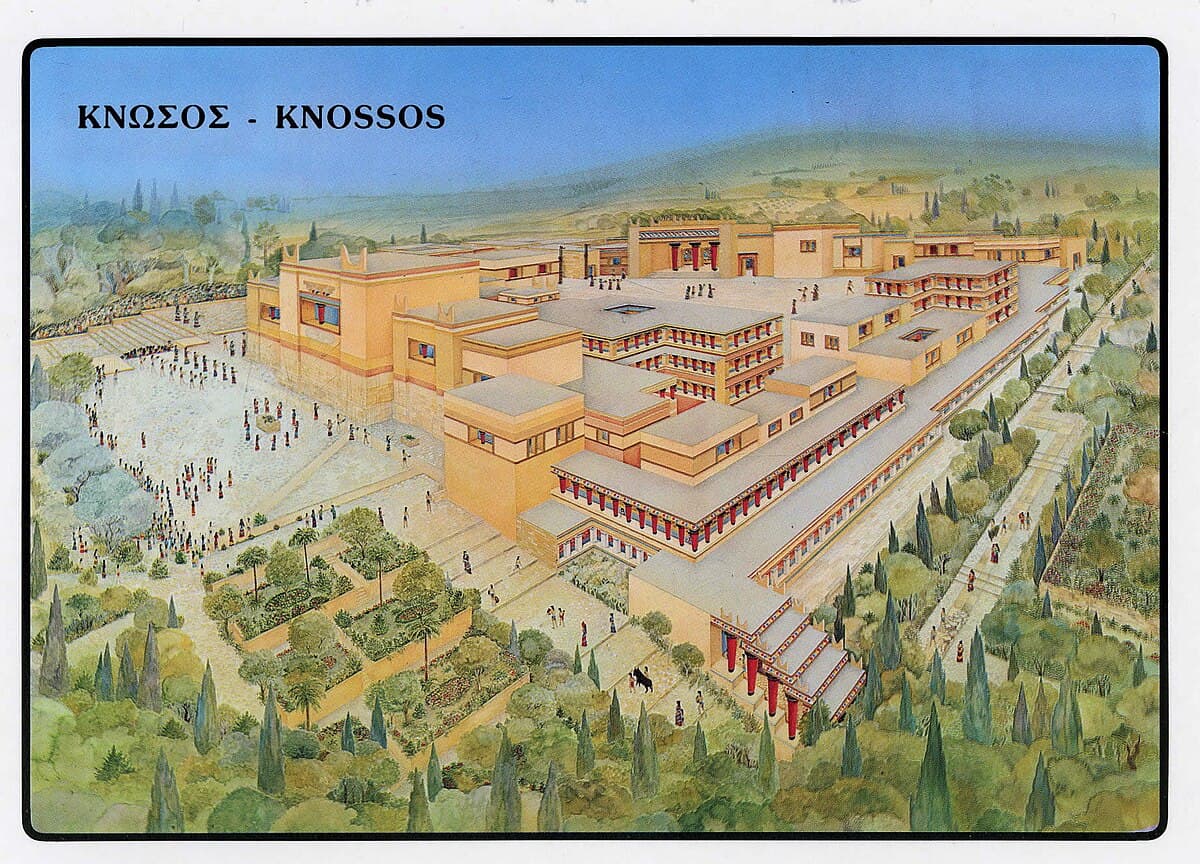
Arthur Evans Excavates Knossos
British archaeologist Arthur Evans conducted groundbreaking excavations at Knossos, recognizing it as culturally distinct from Mycenaean civilization. He coined the term "Minoan" and brought the forgotten Bronze Age culture to modern attention.
Knossos
Excavation of Phaistos Palace
Italian archaeologists Federico Halbherr and Luigi Pernier excavated the Palace of Phaistos and nearby Hagia Triada. These discoveries revealed the second-largest palatial complex on Crete.
Phaistos
Michael Ventris Deciphers Linear B
Building on Alice Kober's earlier work, British architect Michael Ventris successfully deciphered Linear B script. This breakthrough revealed it encoded Mycenaean Greek and unlocked crucial information about late palace-period economics and social organization.
England
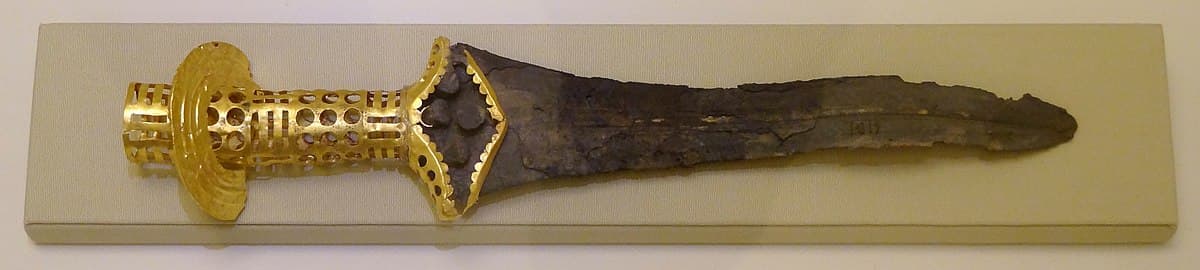
Minoan Bronze Dagger in Shipwreck
A Minoan bronze dagger with silver rivets was discovered in an ancient shipwreck at Kumluca. This 2024 archaeological find highlights Bronze Age cultural and commercial exchanges across the Mediterranean.
Kumluca, Antalya Province