
The Gallic Wars: 58–50 BCE
The Gallic Wars: 58–50 BCE
by @archivist
A comprehensive chronicle of Julius Caesar's military campaigns to conquer Gaul, spanning eight years of intense warfare, diplomatic negotiations, and pivotal battles that transformed the Roman Republic and reshaped Western Europe. This timeline tracks the major conflicts, key events, and strategic milestones that led to Rome's dominion over the Gallic territories and established Caesar's legacy as one of history's greatest military commanders.
Battle of Magetobriga
The Sequani and Arverni tribes, allied with Germanic Suebi, defeated the Aedui, a Roman client state. Rome chose not to intervene in this conflict between Gallic factions.
Magetobriga
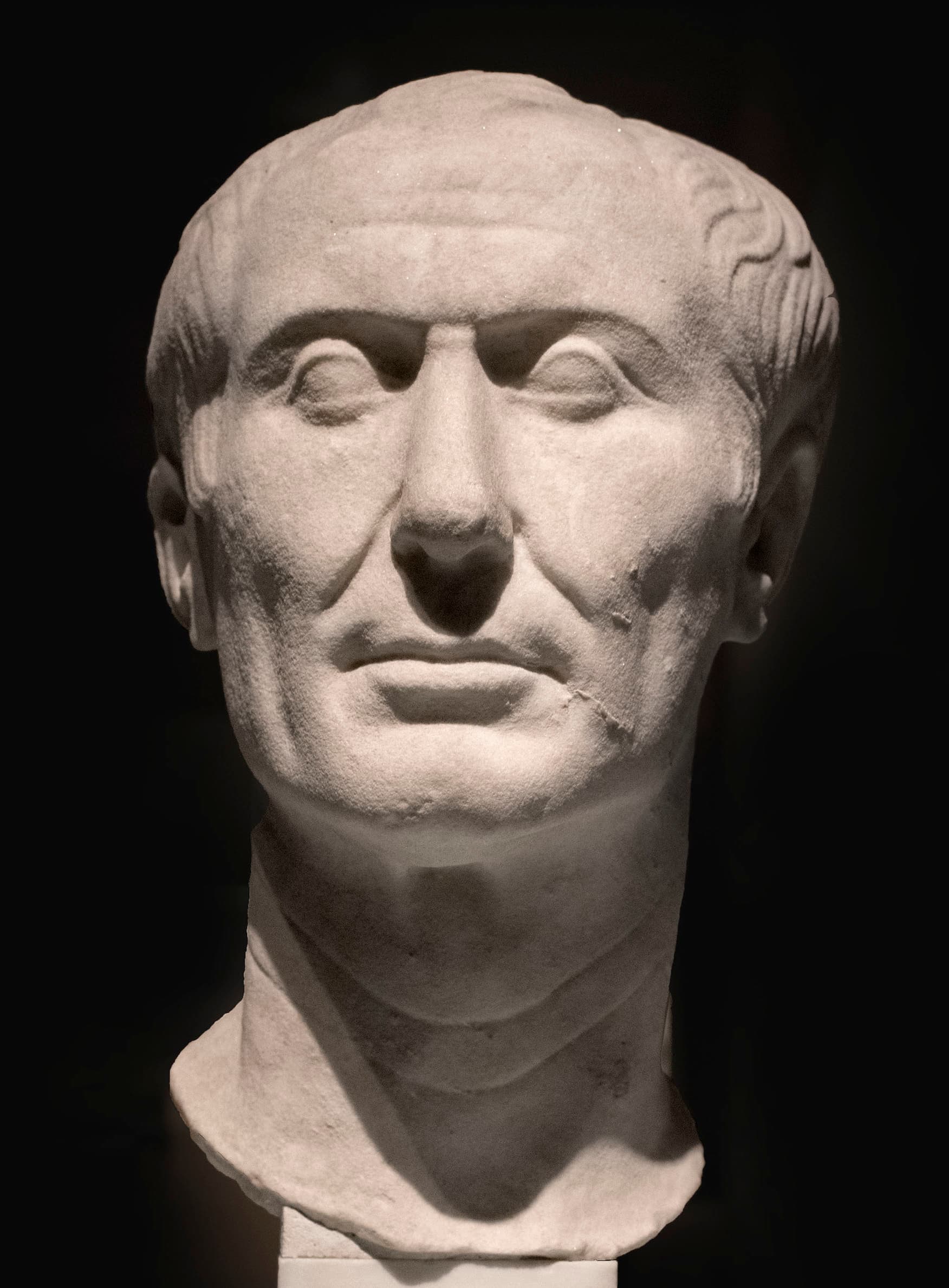
Caesar Appointed Governor of Gaul
Through the First Triumvirate's influence, Julius Caesar secured a five-year governorship of Cisalpine Gaul, Illyricum, and Transalpine Gaul. This extended term enabled him to conduct sustained military campaigns without fear of replacement.
Rome
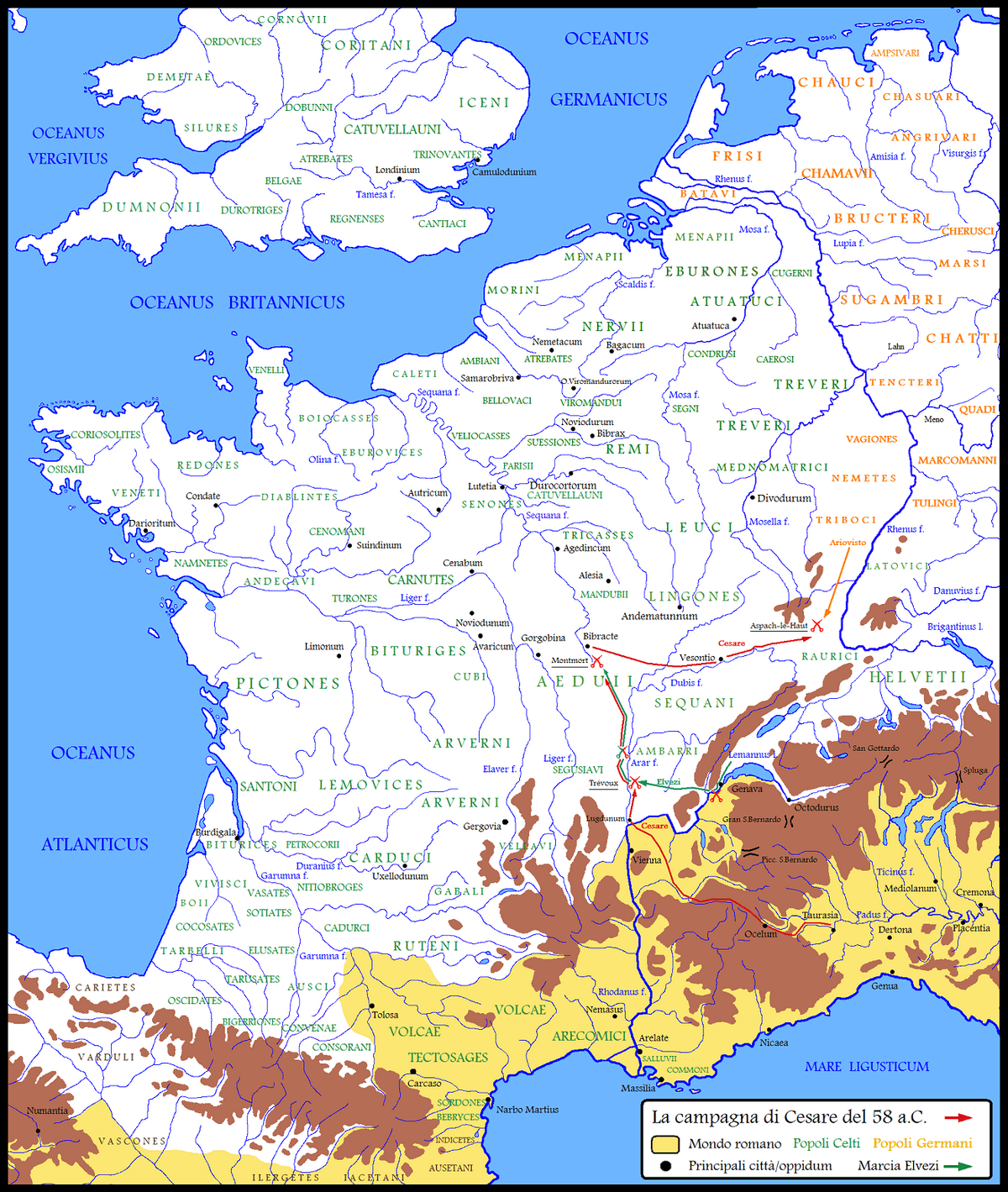
Helvetii Begin Migration
The Helvetii confederation of about five tribes burned their villages and began migrating westward across Gaul with all their people and livestock. They sought to reach Saintonge in modern France, triggering Roman military intervention.
Swiss Plateau
Caesar Attacks Helvetii at Saône
Caesar caught the Helvetii crossing the Saône River and slaughtered the quarter who had not yet crossed. He then built a pontoon bridge in one day to pursue the remaining tribes.
Saône River
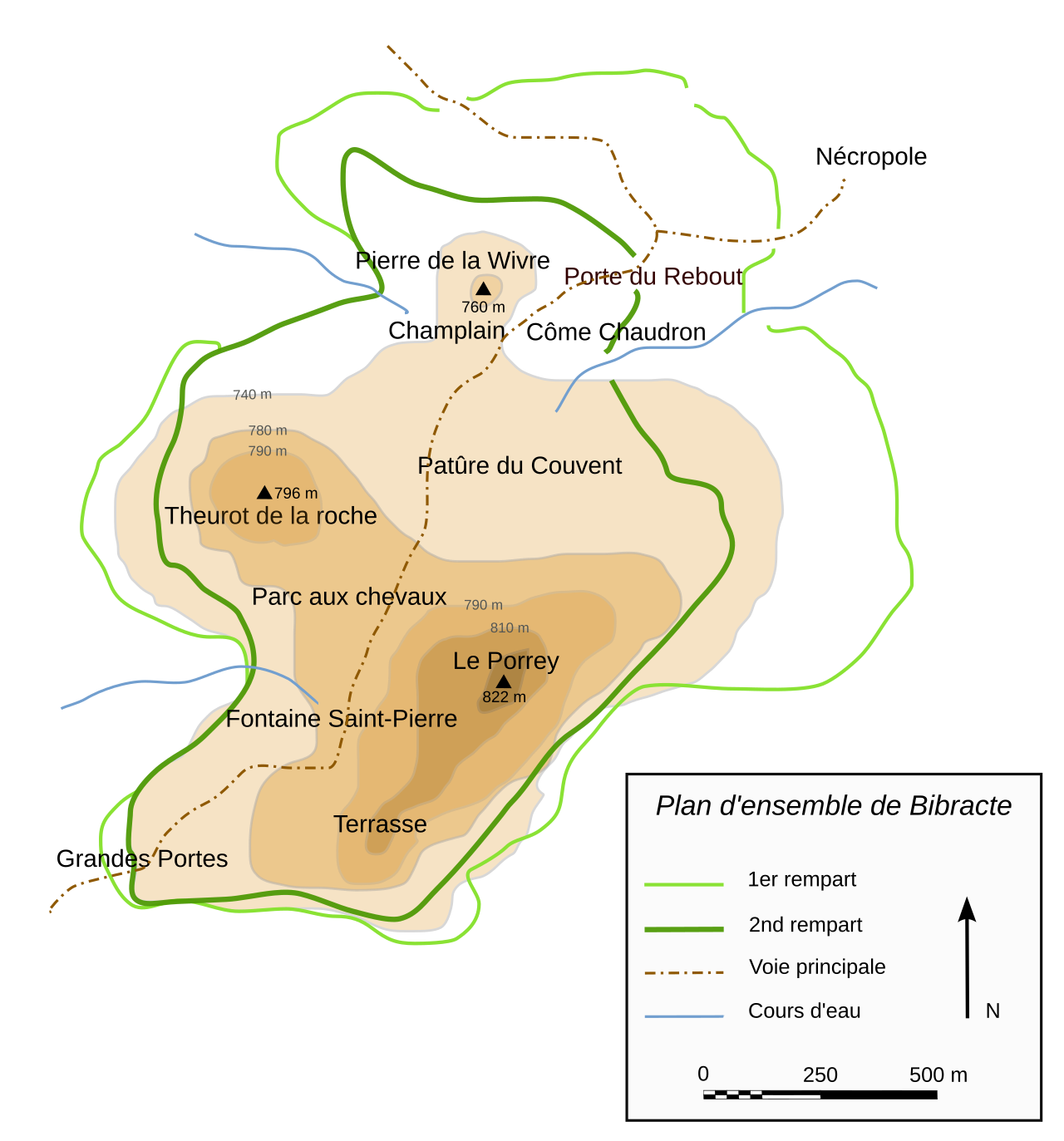
Battle of Bibracte
Caesar's legions defeated the Helvetii, Boii, and Tulingi in a fierce daylong battle fought on a hillside. When surrounded by flanking forces, Roman troops brilliantly turned to fight on two fronts and routed the Gallic coalition.
Bibracte
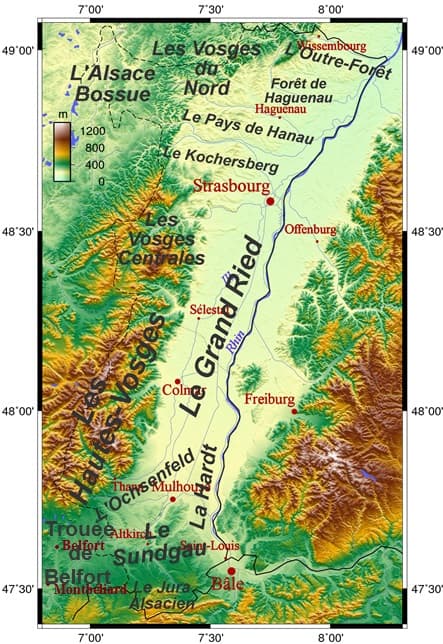
Battle of Vosges
Caesar defeated the Germanic king Ariovistus and his Suebi forces after Ariovistus cut Roman supply lines. A cavalry charge by Publius Crassus broke the Germanic line, forcing survivors to flee across the Rhine.
Vosges
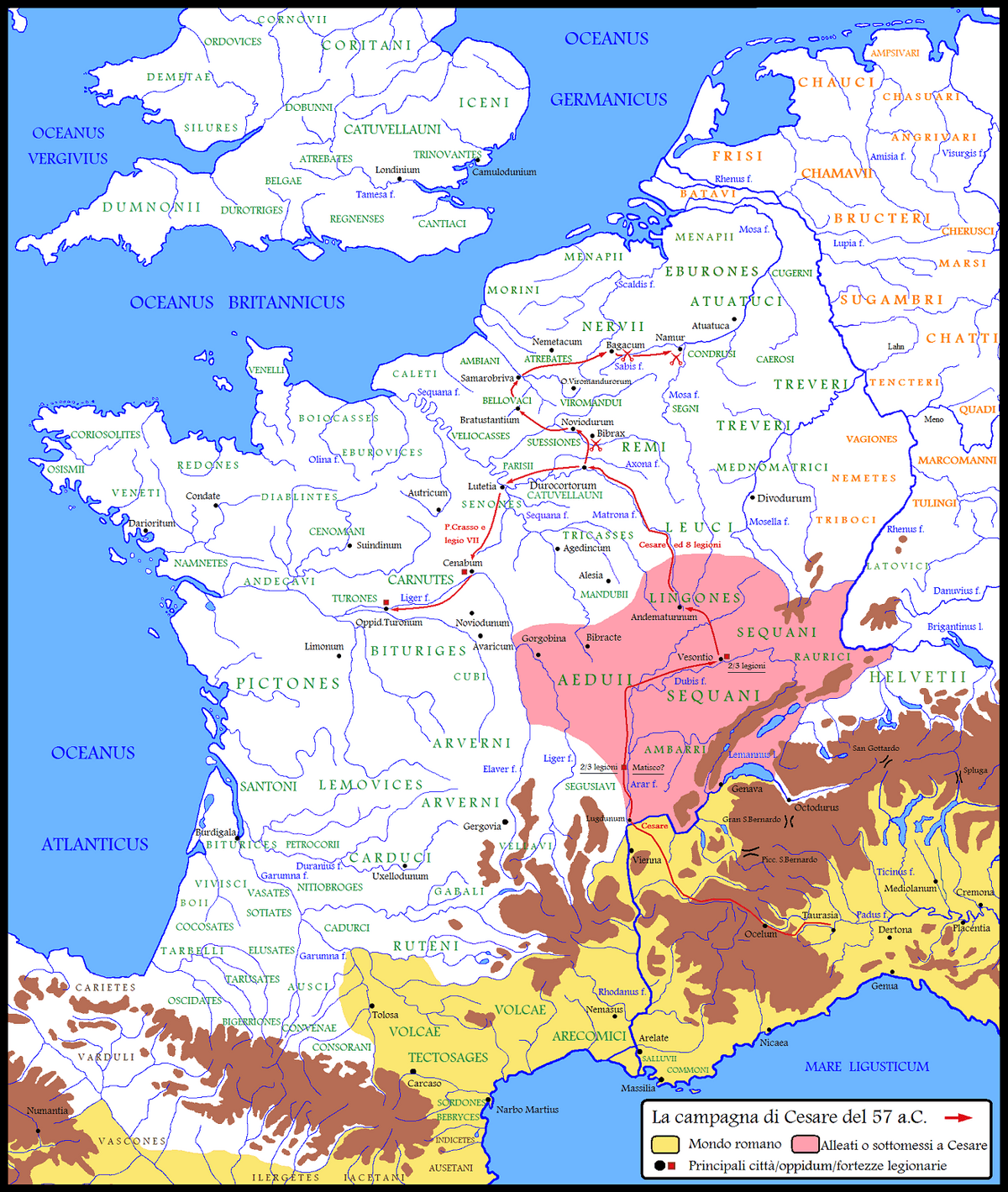
Campaign Against the Belgae Begins
Caesar marched with eight legions against the Belgae tribal confederation in northern Gaul who had attacked Roman allies. Both sides avoided direct battle initially due to supply shortages.
Belgica
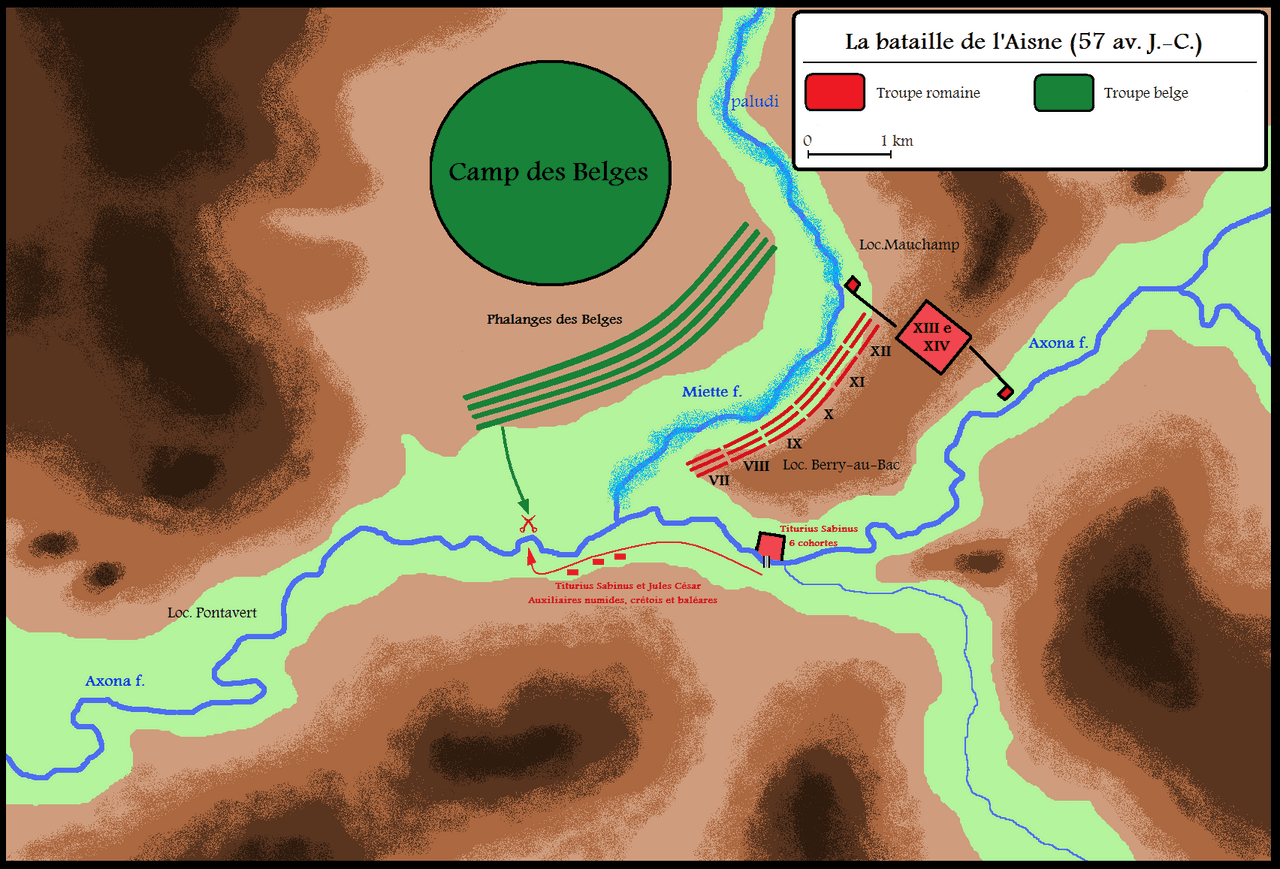
Battle of the Axona
Near Bibrax, the Belgae attempted to take a fortified settlement but failed and instead raided countryside. The massive Belgic army disbanded rather than face Roman fortifications, allowing Caesar to pursue tribes individually.
Bibrax
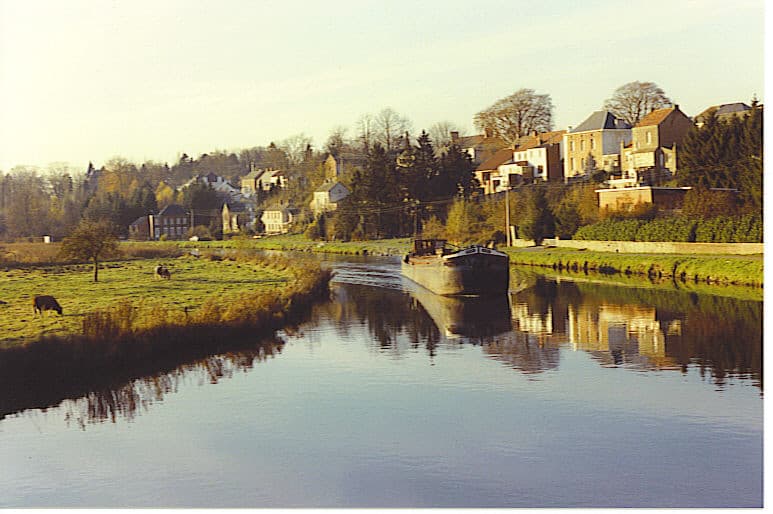
Battle of the Sabis
The Nervii, Atrebates, and Viromandui ambushed Roman forces along the Sambre River in a surprise attack. Despite nearly suffering a humiliating defeat, Caesar's legions achieved a hard-fought victory.
Sambre River
Siege of Atuatuci
Caesar besieged the fortified settlement of the Atuatuci tribe who had taken refuge after the Sabis defeat. Roman siege works forced their surrender, though treachery during negotiations led to harsh Roman retaliation.
Atuatuci
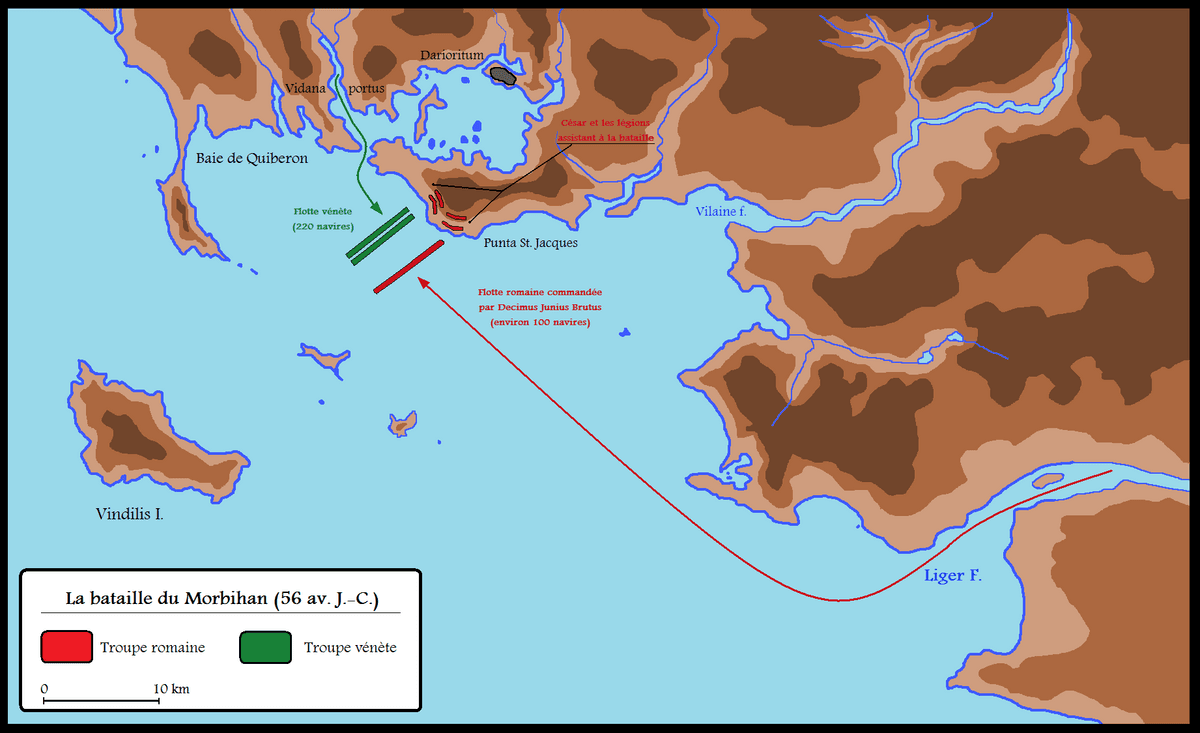
Naval Battle of Morbihan
Decimus Brutus commanded the Roman fleet in a decisive naval engagement against the seafaring Veneti tribe. Roman ingenuity in disabling Gallic ships led to complete victory and conquest of northwest Gaul.
Morbihan Gulf
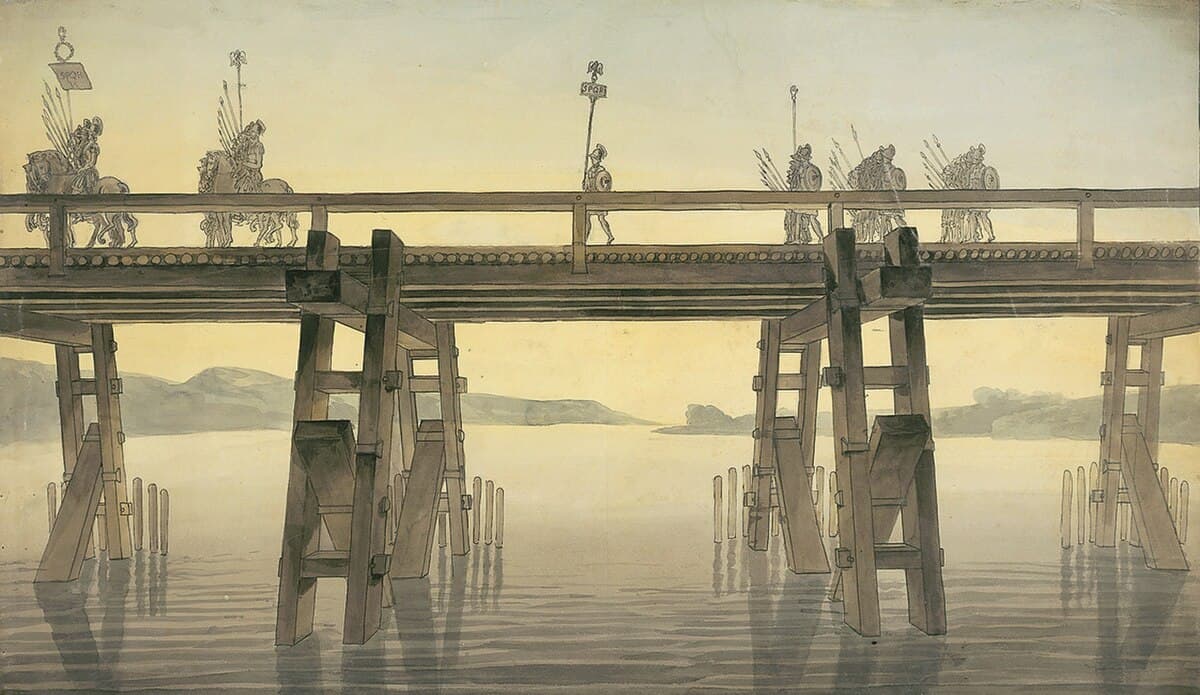
First Rhine Bridge Construction
Caesar's engineers constructed the first known bridge across the Rhine River in just ten days. This unprecedented engineering feat demonstrated Roman power to Germanic tribes beyond the river.
Rhine River
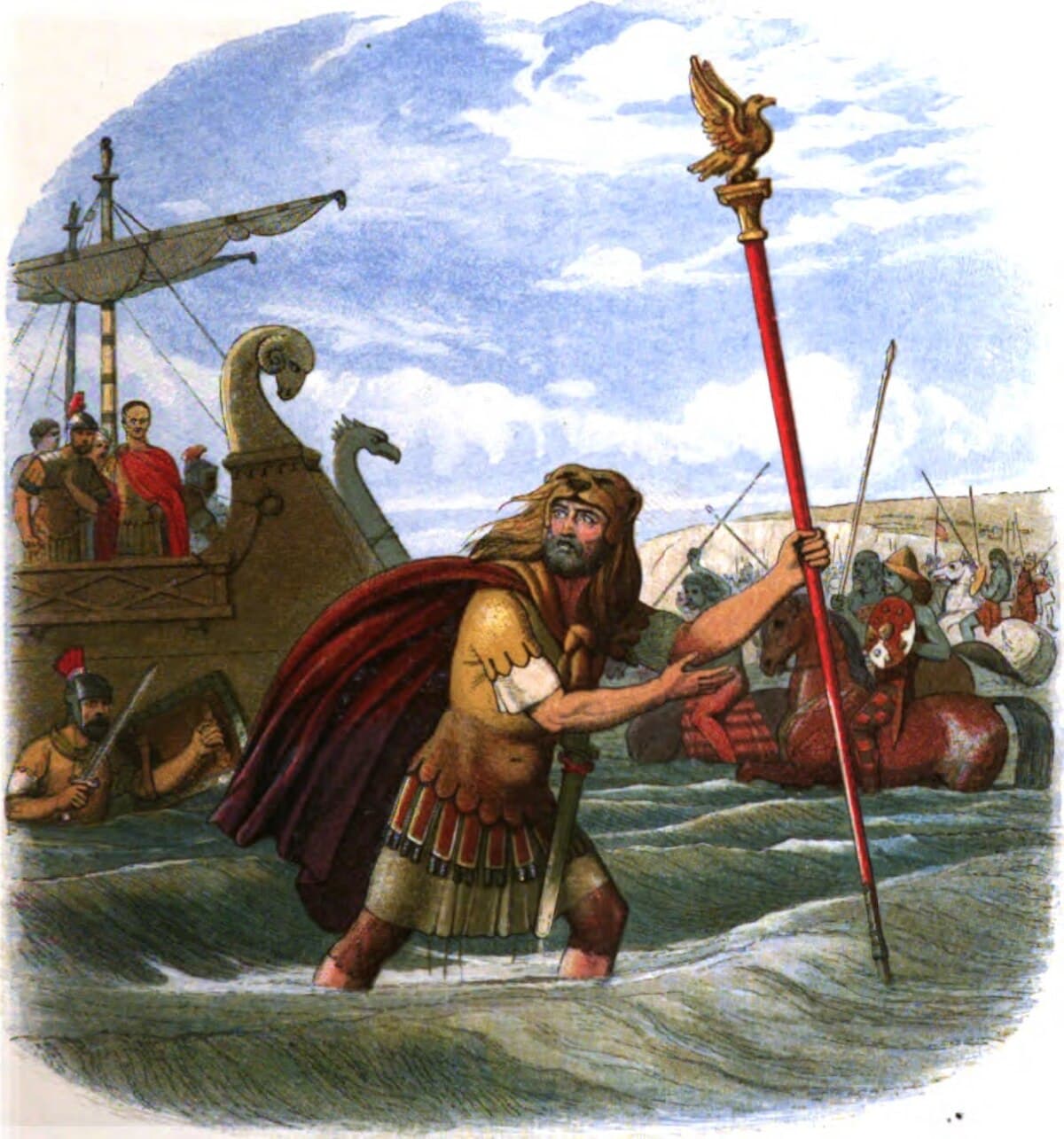
First Roman Expedition to Britain
Caesar led the first Roman military expedition across the English Channel to Britain with two legions. Though landing successfully, the small force achieved little beyond reconnaissance before returning to Gaul.
Britain
Second Roman Expedition to Britain
Caesar returned to Britain with five legions and two thousand auxiliaries, penetrating much further inland than the previous year. He extracted tribute from local tribes before withdrawing to address continental revolts.
Britain
Ambiorix's Revolt Begins
The Eburones leader Ambiorix launched a major uprising against Roman occupation. His forces ambushed and annihilated an entire legion under Sabinus and Cotta, inflicting Rome's worst defeat of the war.
Eburones territory
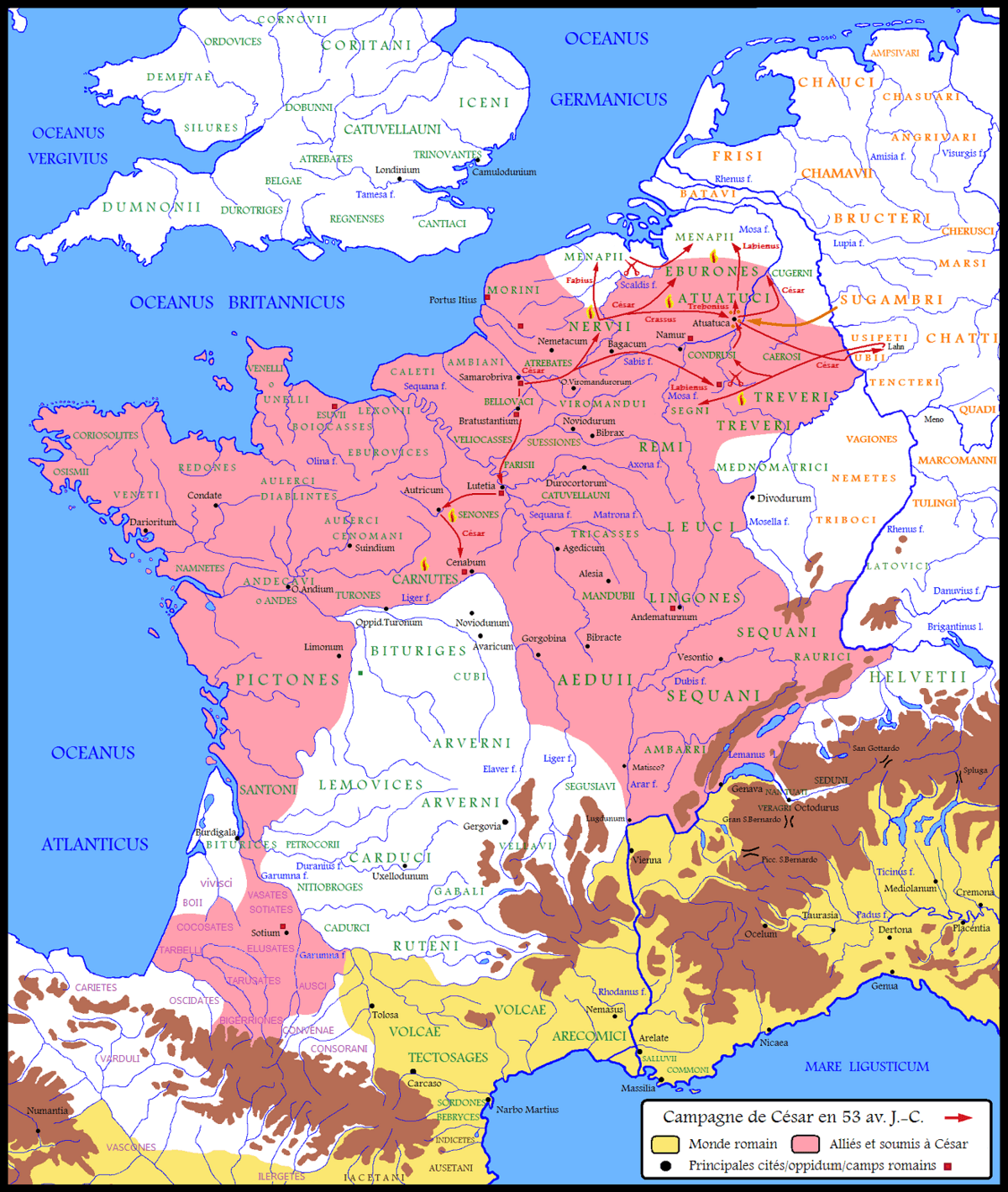
Brutal Pacification Campaign
Caesar conducted a ruthless campaign throughout Gaul with ten legions to suppress revolts. Despite brutal tactics including widespread destruction of villages and enslaving populations, resistance continued.
Gaul
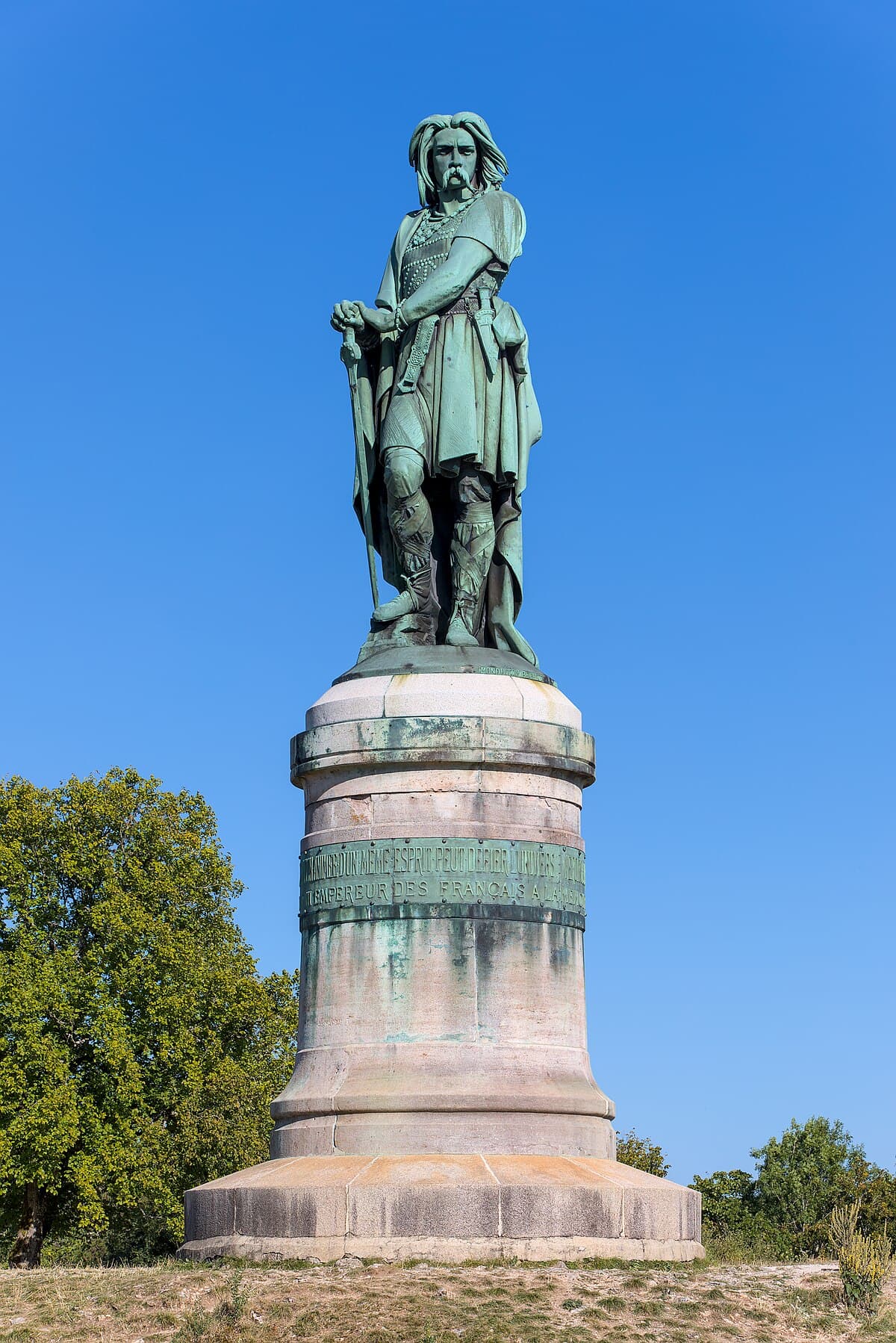
Vercingetorix Leads United Gallic Revolt
The Arvernian chieftain Vercingetorix united Gallic tribes under a single command for the first time, organizing a coordinated rebellion against Roman occupation. This represented the most serious threat Caesar faced.
Bibracte
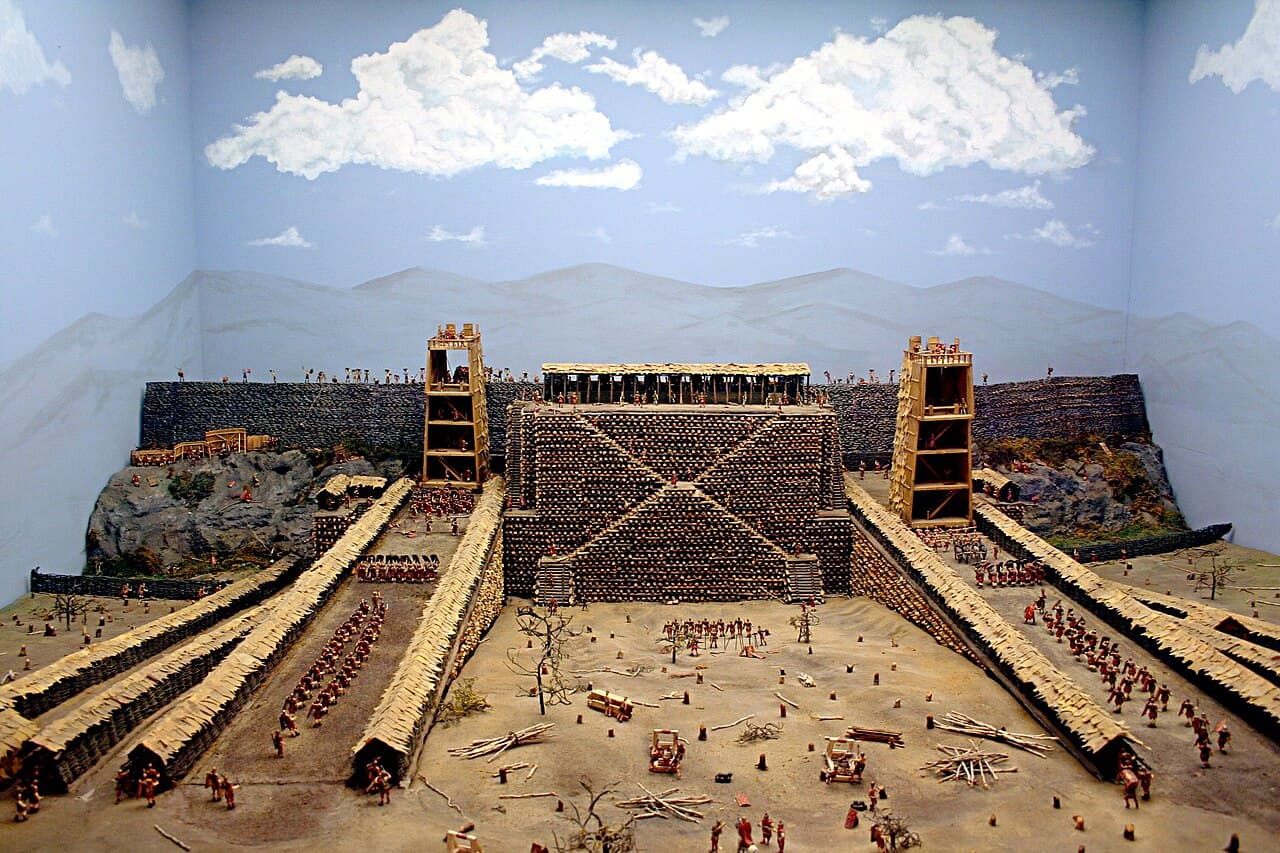
Siege of Avaricum
Despite Vercingetorix's scorched-earth strategy, Caesar besieged and captured Avaricum after fierce resistance. The Romans massacred nearly all forty thousand inhabitants in revenge for the siege's difficulty.
Avaricum
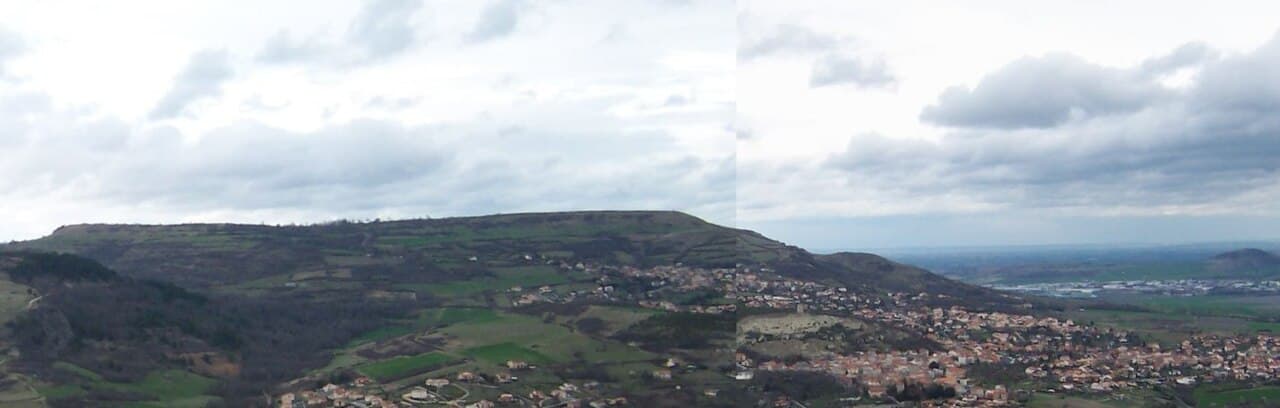
Battle of Gergovia
Vercingetorix inflicted a notable defeat on Caesar at Gergovia, forcing the Roman commander to abandon the siege. This Gallic victory demonstrated that Caesar was not invincible and encouraged further resistance.
Gergovia
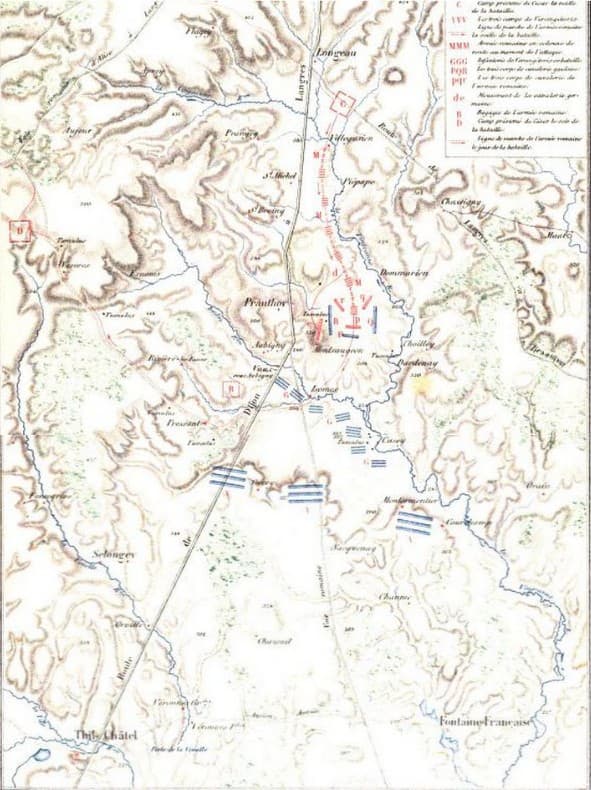
Battle of Vingeanne
Caesar's cavalry, heavily reinforced with Germanic horsemen, defeated Vercingetorix's mounted forces in a crucial engagement. This victory restored Roman momentum and forced the Gauls into defensive positions.
Vingeanne River
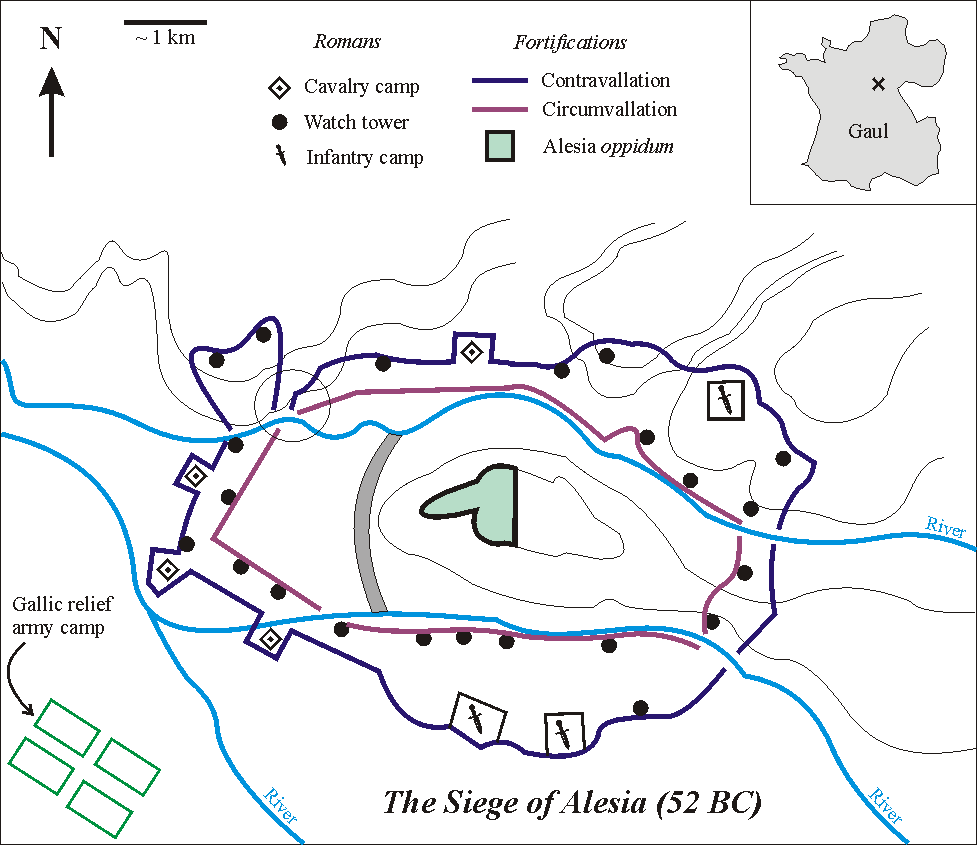
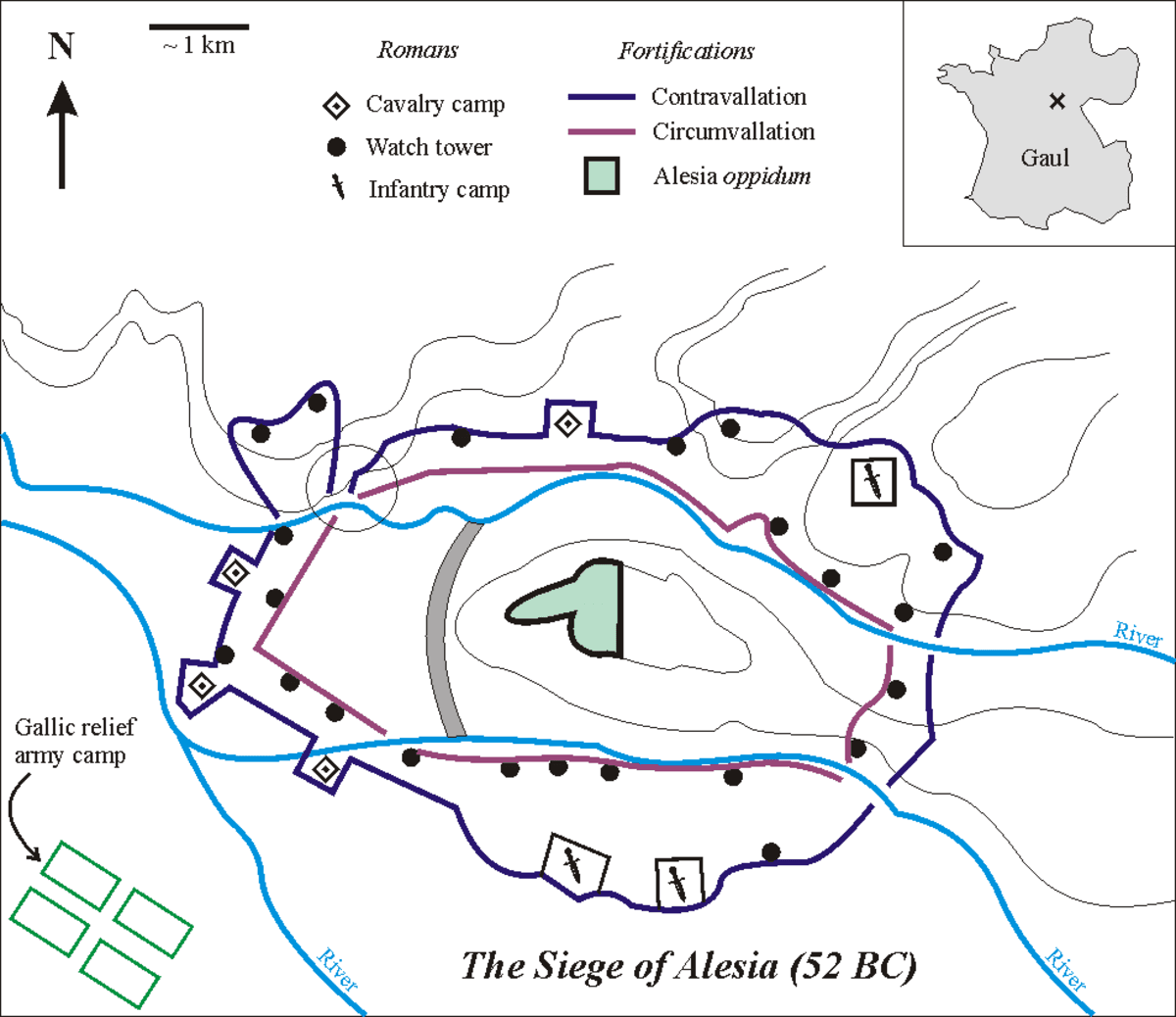
Siege of Alesia
Caesar's legions surrounded Vercingetorix's forces at Alesia with elaborate double siege works facing both inward and outward. Despite a massive Gallic relief army of 180,000, Roman engineering and discipline crushed the rebellion.
Alesia
Vercingetorix Surrenders to Caesar
After the failed relief attempt at Alesia, Vercingetorix surrendered himself to Caesar to save his remaining followers. The Gallic chieftain was taken to Rome in chains, marking the effective end of organized resistance.
Alesia
Siege of Uxellodunum
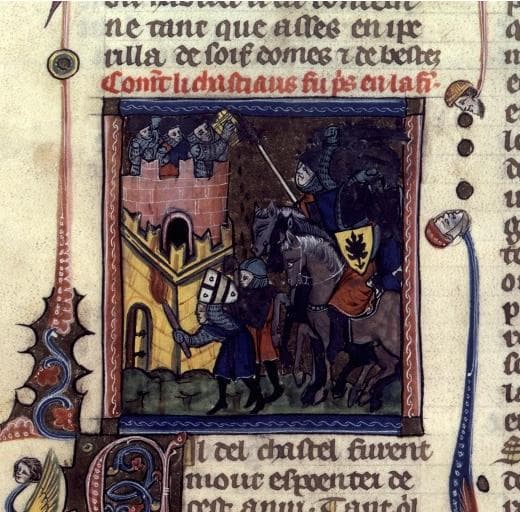
Caesar's forces besieged the last major center of Gallic resistance at Uxellodunum. After cutting off the fortress's water supply, Caesar ordered the hands of all defenders cut off as a brutal warning against further rebellion.
Uxellodunum
Caesar Withdraws from Gaul
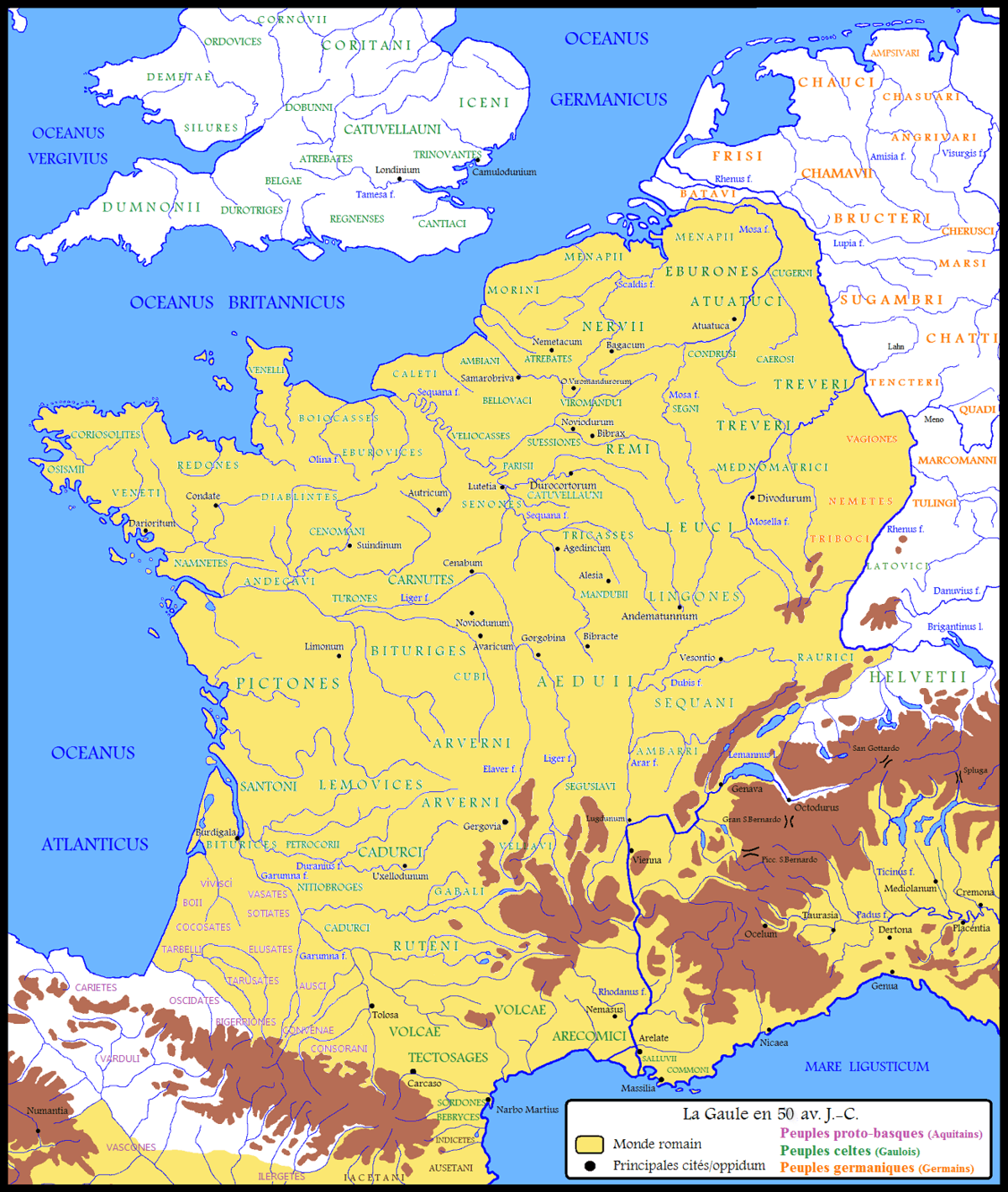
With Gaul effectively conquered, Caesar withdrew his troops as the imminent Roman Civil War demanded his attention. Though pacification efforts continued, organized resistance had ceased and Gaul was under Roman control.
Gaul