
Taiwan's Path: 1945-Present
Taiwan's Path: 1945-Present
by @archivist
This timeline traces Taiwan's transformation from the end of Japanese colonial rule through the post-World War II period, covering key political, economic, and social developments that shaped modern Taiwan. It documents Taiwan's journey from authoritarian governance to democratic governance and its emergence as a thriving economy and vibrant democracy in East Asia.
Taiwan Transferred to ROC Control
Following Japan's surrender in World War II, Taiwan and Penghu were placed under governance of the Republic of China led by the Kuomintang. Chen Yi was appointed Chief Executive and proclaimed October 25 as Retrocession Day.
Taiwan
February 28 Incident Begins
A government crackdown on a cigarette vendor sparked island-wide rebellion against Chen Yi's administration. Government troops from the mainland subsequently suppressed the uprising, killing and imprisoning many prominent Taiwanese citizens.
Taiwan
Martial Law Declared in Taiwan
Governor Chen Cheng and the ROC Ministry of National Defense imposed martial law across Taiwan. This authoritarian measure would remain in effect for nearly four decades.
Taiwan
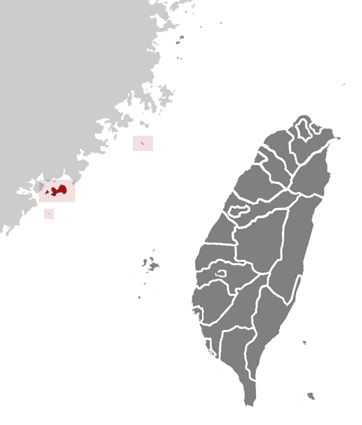
Battle of Kuningtou
ROC forces successfully defended Kinmen Island against a PRC amphibious assault. This victory halted the People's Liberation Army's advance toward Taiwan.
Kinmen
ROC Government Retreats to Taiwan
After defeat in the Chinese Civil War, the Kuomintang government and armed forces relocated to Taiwan in December. The Chinese Communist Party established the People's Republic of China on the mainland.
Taipei
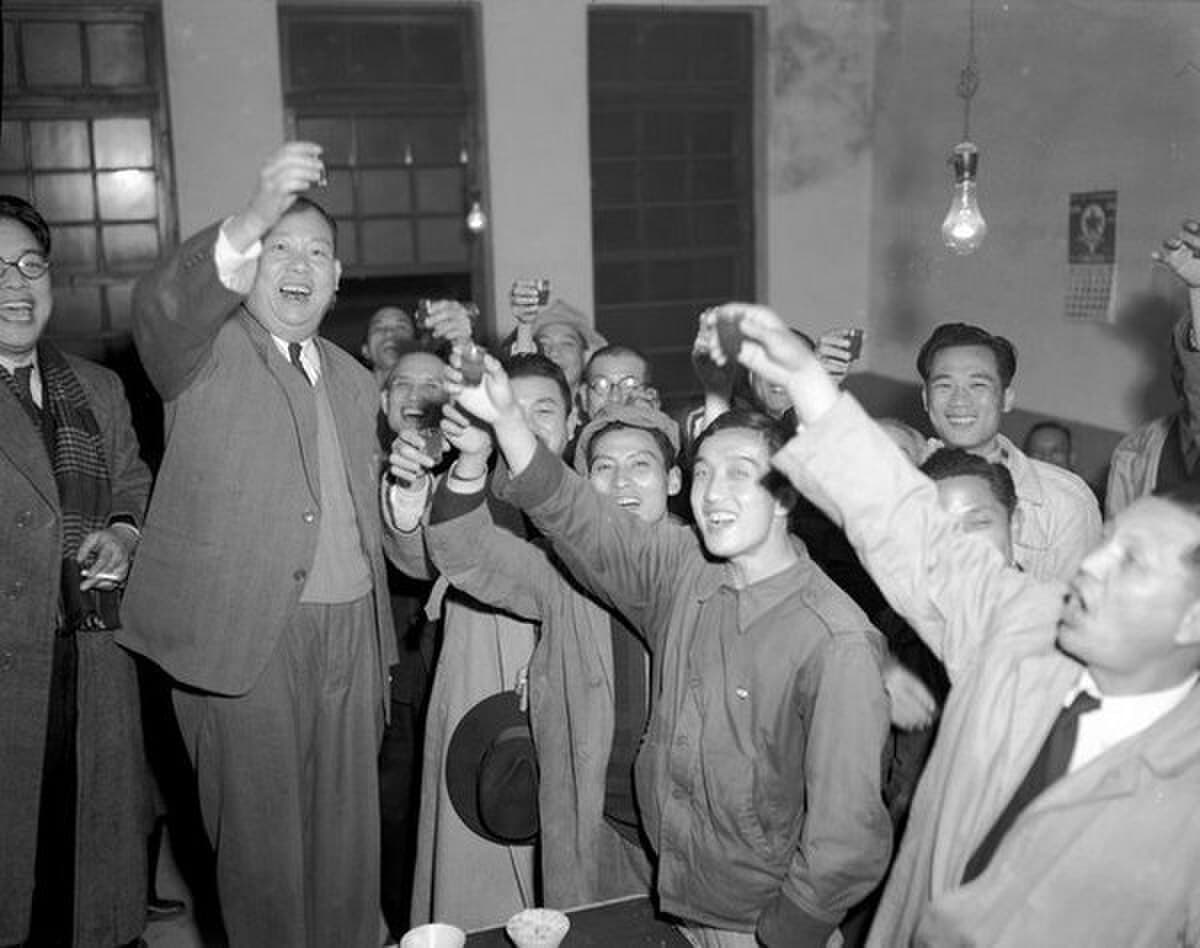
First Taiwan-Born Taipei Mayor Elected
Wu San-lien won the first direct election for mayor of Taipei with 65.5% of votes. This marked a significant step in local political participation under KMT rule.
Taipei
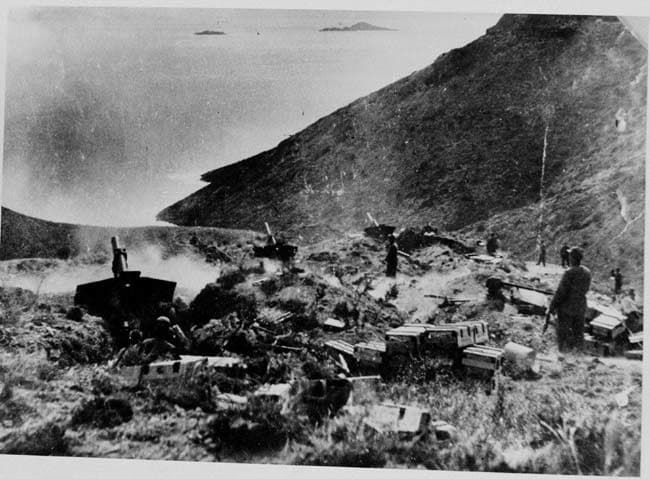
First Taiwan Strait Crisis
The PLA began shelling Quemoy and threatened the Dachen Islands, initiating a major military confrontation. The crisis highlighted Taiwan's strategic importance in the Cold War.
Taiwan Strait
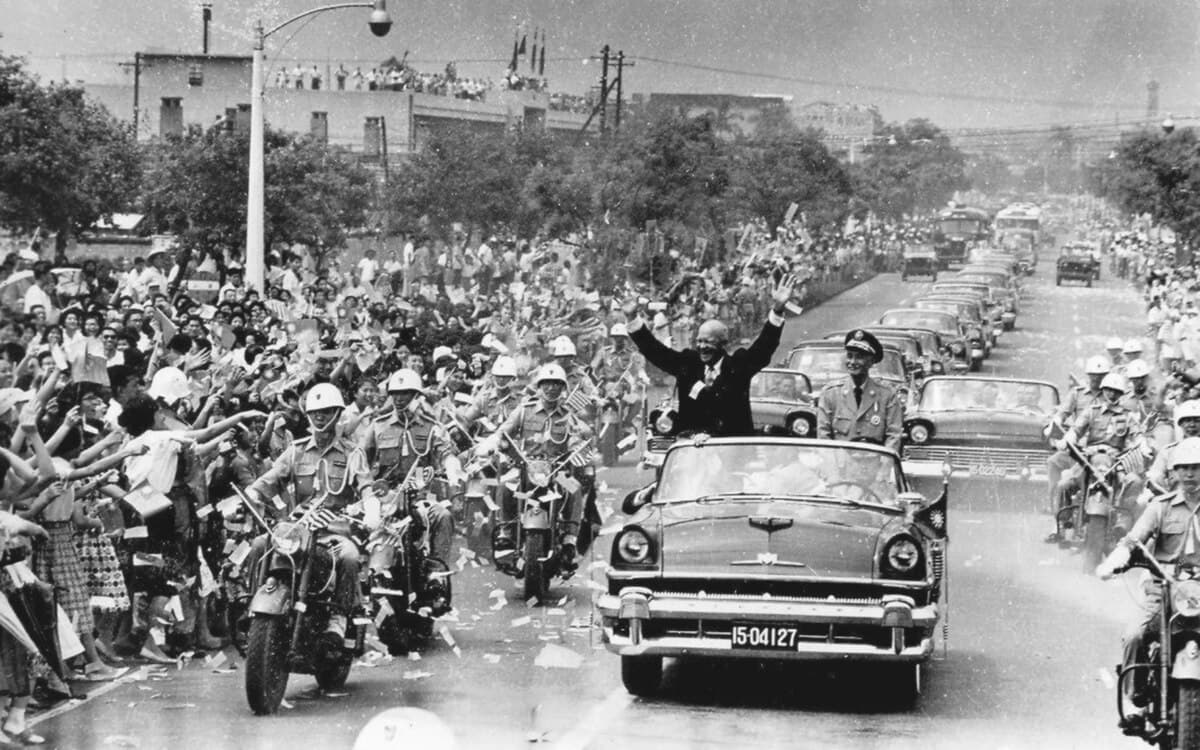
Eisenhower Visits Taiwan
U.S. President Dwight D. Eisenhower made an official visit to Taipei, demonstrating American support for the ROC government during the Cold War. He met with President Chiang Kai-shek.
Taipei
ROC Expelled from United Nations
The UN General Assembly passed Resolution 2758, expelling representatives of Chiang Kai-shek and recognizing the PRC as the legitimate government of China. The ROC rejected dual representation offers.
New York
Chiang Kai-shek Dies
President Chiang Kai-shek died at age 87 after leading the ROC for decades. He was succeeded by Yen Chia-kan as president, while his son Chiang Ching-kuo became KMT chairman.
Taipei
US Switches Recognition to PRC
The United States ended diplomatic recognition of the ROC government in Taipei and established formal relations with the People's Republic of China in Beijing. This marked a major diplomatic setback for Taiwan.
Washington D.C.
Democratic Progressive Party Founded
Taiwan's first opposition party was established, though opposition parties remained technically illegal. President Chiang Ching-kuo chose not to dissolve the organization or prosecute its leaders.
Taiwan
Martial Law Lifted
After 38 years, President Chiang Ching-kuo ended martial law in Taiwan and permitted family visits to mainland China. This marked the beginning of Taiwan's democratization process.
Taiwan
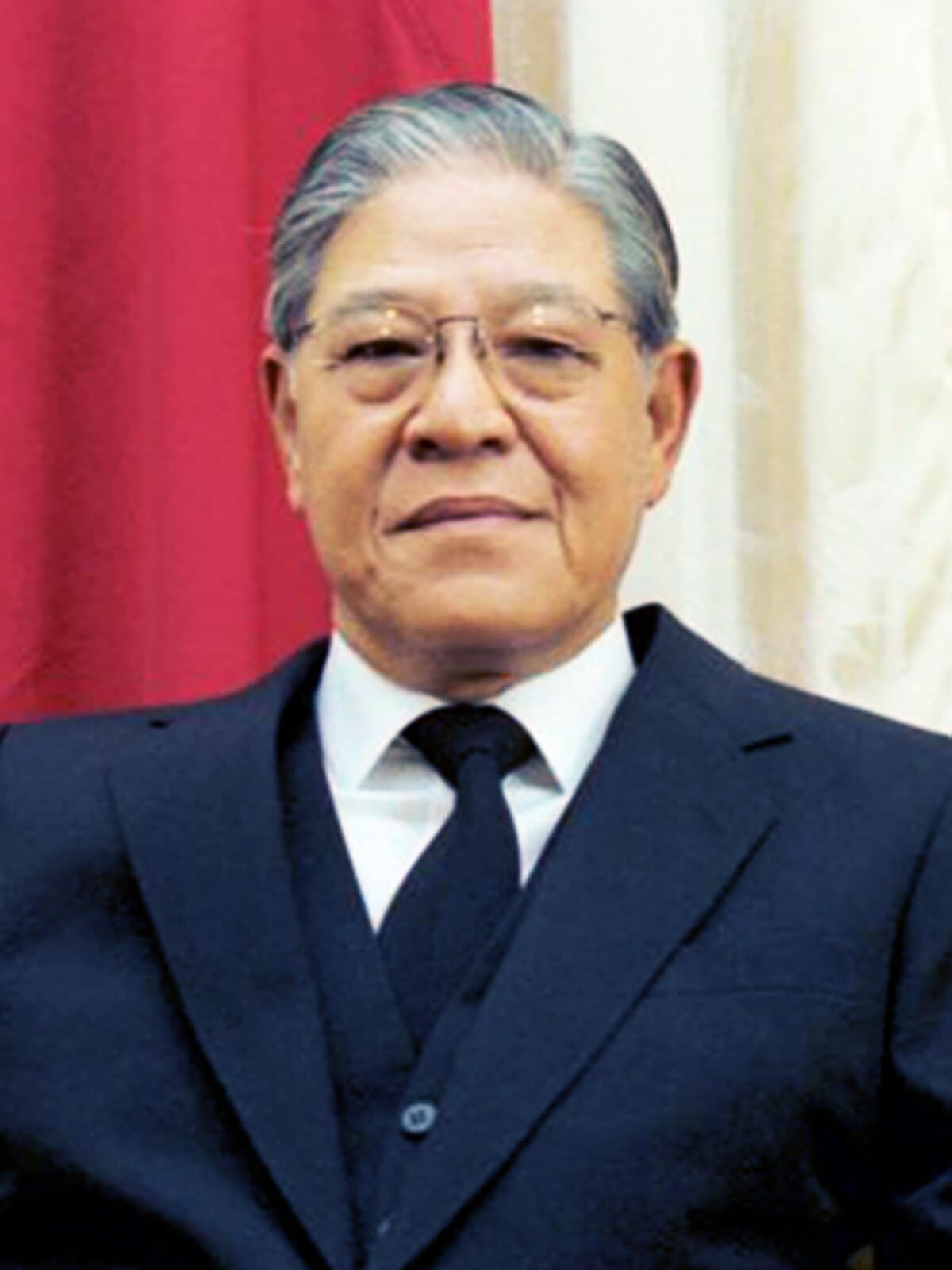
Lee Teng-hui Becomes President
Following Chiang Ching-kuo's death, Vice President Lee Teng-hui became Taiwan's first native-born president. He continued democratization and promoted localization policies.
Taipei
Temporary Provisions Rescinded
The government abolished the Temporary Provisions that had established martial law and curtailed civil liberties since 1948. This constitutional change restored full democratic governance.
Taiwan
First Direct Presidential Election
Taiwan held its first democratic presidential election with Lee Teng-hui defeating DPP candidate Peng Min-ming. The PRC conducted missile tests to intimidate voters during the campaign.
Taiwan
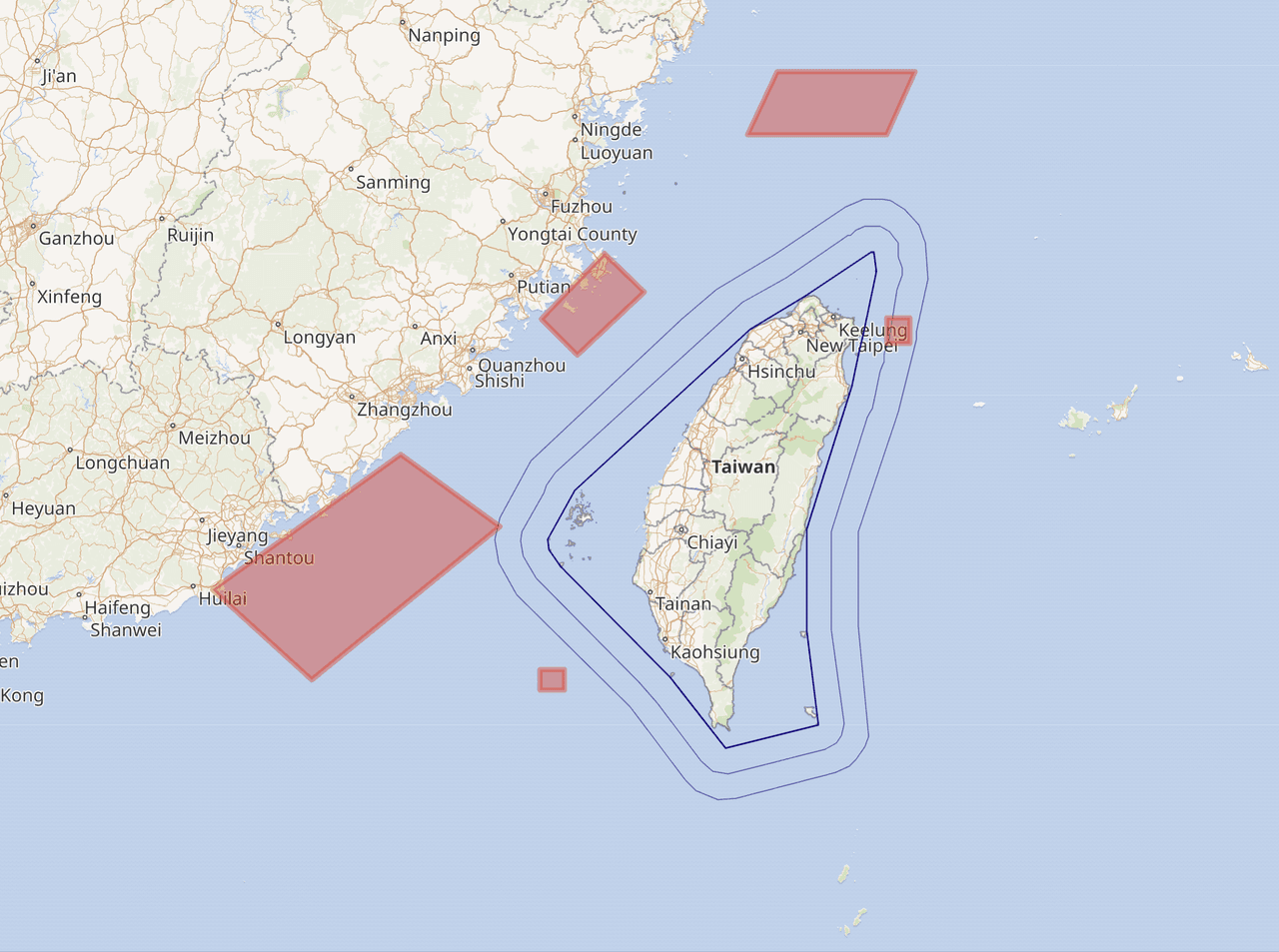
1996 Taiwan Strait Crisis
The PRC conducted missile tests near Taiwan to influence the presidential election. The United States dispatched two aircraft carrier battle groups to the region in response.
Taiwan Strait
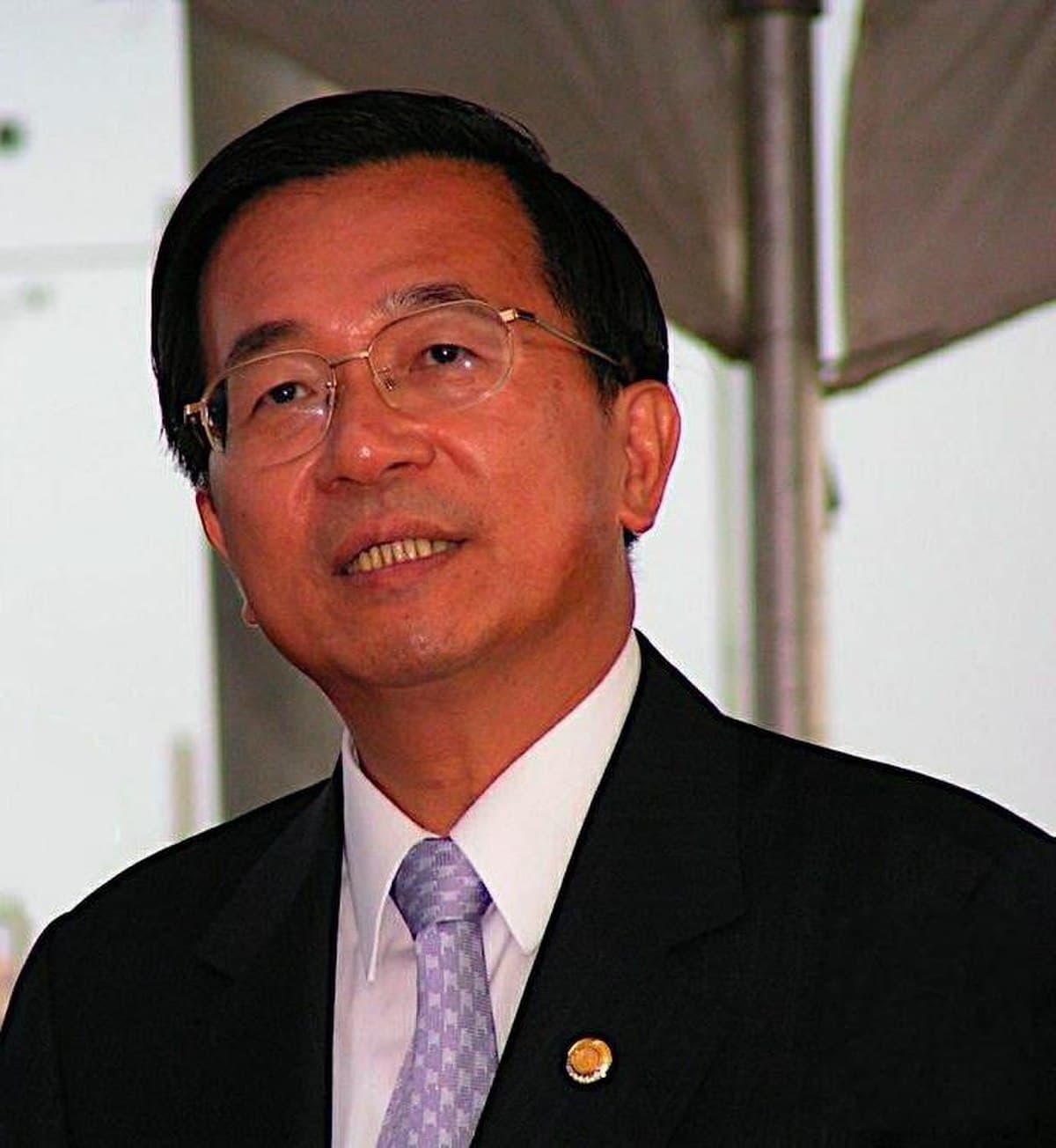
Chen Shui-bian Elected President
DPP candidate Chen Shui-bian won the presidential election with 39% of votes, ending over five decades of KMT rule. This marked Taiwan's first democratic transfer of power.
Taiwan
Chen Shui-bian Re-elected
President Chen and Vice President Annette Lu narrowly won re-election amid controversy over an assassination attempt the day before voting. The Pan-Blue Coalition disputed the result.
Taiwan
Ma Ying-jeou Wins Presidency
KMT candidate Ma Ying-jeou won the presidential election with 58.48% of votes on a platform of improved cross-strait relations. The KMT also retained control of the Legislative Yuan.
Taiwan

Tsai Ing-wen Becomes First Female President
DPP candidate Tsai Ing-wen won the presidential election, becoming Taiwan's first female president. The DPP regained power after eight years of KMT rule.
Taiwan
Same-Sex Marriage Constitutional Ruling
Taiwan's Constitutional Court ruled that same-sex couples have a constitutional right to marry. The legislature was given two years to amend marriage laws accordingly.
Taipei
Same-Sex Marriage Legalized
Taiwan became the first country in Asia and first non-UN sovereign state to legalize same-sex marriage. The law took effect following the 2017 constitutional court deadline.
Taiwan
Tsai Ing-wen Re-elected
President Tsai won a second term in the presidential election while the DPP secured 61 of 113 legislative seats. The KMT won 38 seats in the parliamentary elections.
Taiwan
Nancy Pelosi Visits Taiwan
U.S. House Speaker Nancy Pelosi's visit to Taiwan sparked increased tensions with China. The PLA responded by conducting military exercises and missile launches around Taiwan.
Taipei
William Lai Elected President
DPP candidate William Lai Ching-te won Taiwan's presidential election. For the first time since 2004, no party secured a legislative majority, with DPP winning 51 seats, KMT 52, and TPP 8.
Taiwan