
Suleiman the Magnificent: Ottoman Empire at Its Peak (1520-1566)
Suleiman the Magnificent: Ottoman Empire at Its Peak (1520-1566)
by @archivist
A comprehensive chronicle of Suleiman I's 46-year reign as the tenth Sultan of the Ottoman Empire, documenting his military conquests, legal reforms, and cultural achievements that transformed the Ottoman state into a global superpower. This timeline traces the pivotal events, battles, and administrative innovations that defined the golden age of the Ottoman Empire.
Birth of Suleiman in Trabzon
The future Ottoman sultan was born on the Black Sea coast to Prince Selim and Hafsa Sultan. This event marked the beginning of a life that would transform the Ottoman Empire into a dominant world power.
Trabzon
Education at Topkapı Palace
At age seven, Suleiman began comprehensive studies in science, history, literature, theology, and military tactics at the imperial palace schools. During this period, he befriended Ibrahim, a Greek slave who would later become a trusted adviser.
Constantinople
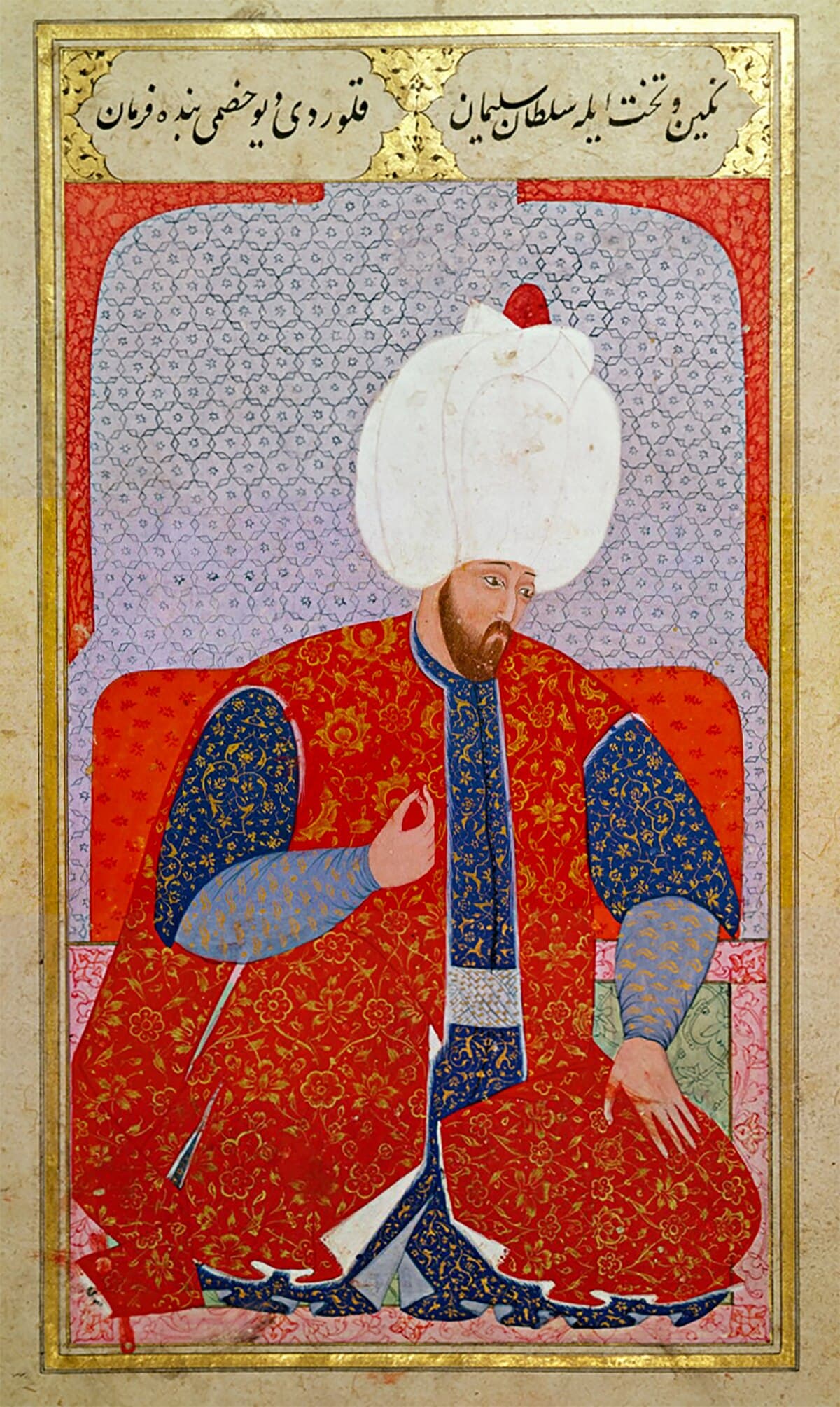
Accession to the Ottoman Throne
Following his father Selim I's death, Suleiman entered Constantinople and became the tenth Ottoman sultan at age 26. Venetian observers described him as tall, slender, friendly, knowledgeable, and showing good judgment.
Constantinople
Conquest of Belgrade
Suleiman successfully besieged Belgrade with 250,000 soldiers and over 100 ships, removing a critical barrier to Ottoman expansion into Europe. The city became the second largest Ottoman town in Europe with over 100,000 inhabitants.
Belgrade
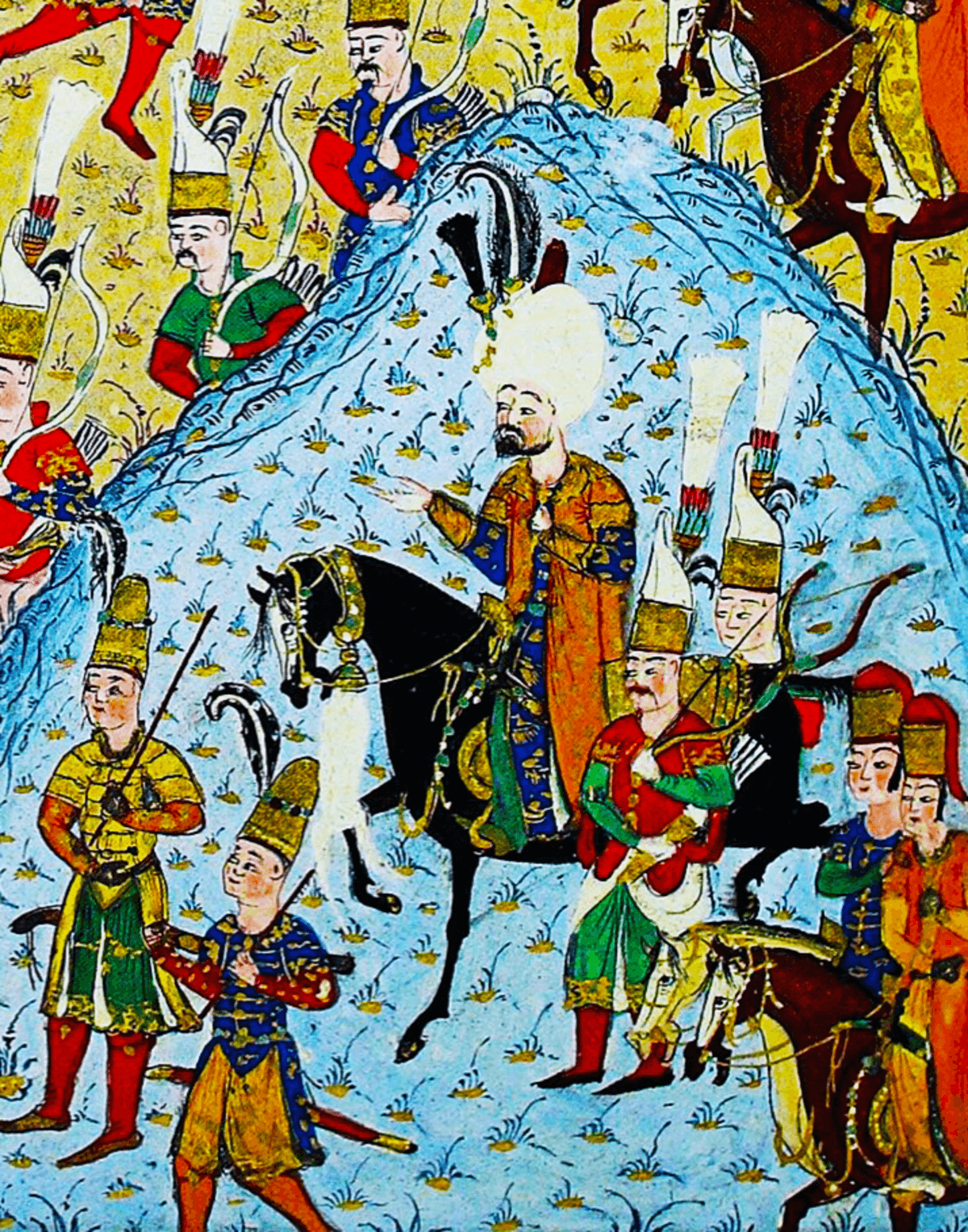
Siege and Capture of Rhodes
After a five-month siege, the Knights Hospitaller surrendered Rhodes to Ottoman forces. The conquest cost between 50,000 to 60,000 Ottoman lives but secured a strategic Mediterranean stronghold.
Rhodes
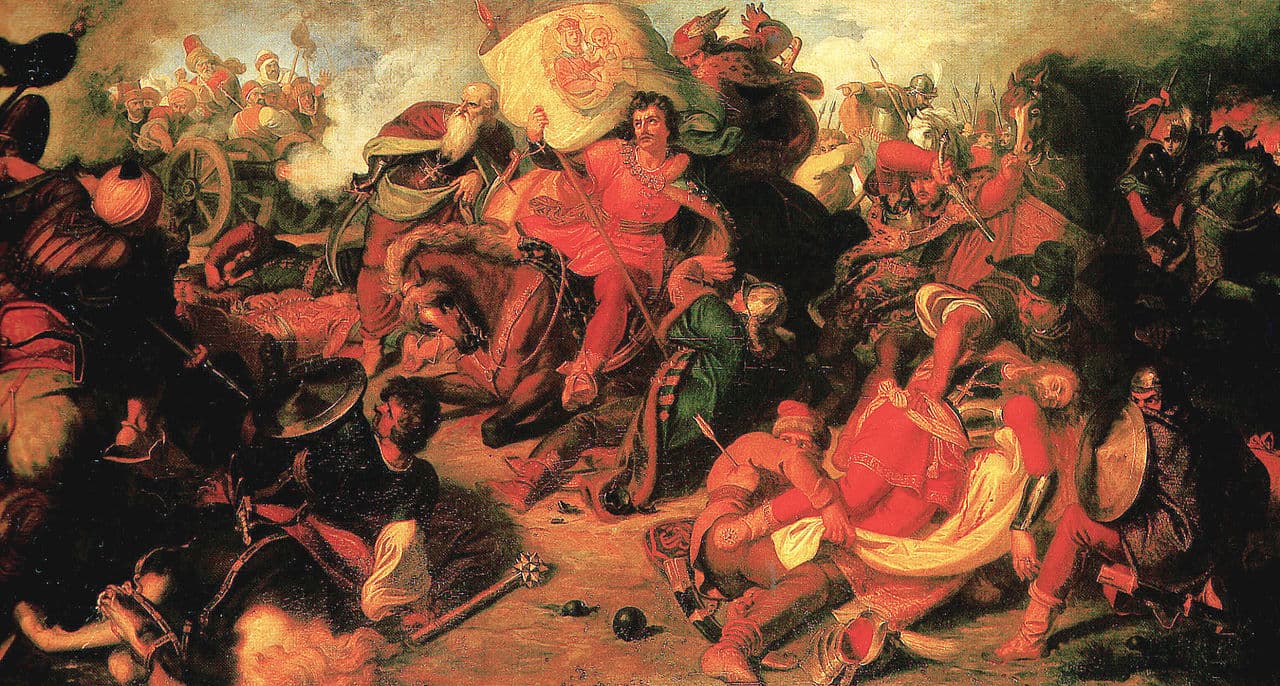
Battle of Mohács
Suleiman decisively defeated the Hungarian army, killing King Louis II and much of the Hungarian aristocracy. This battle ended the Jagiellonian dynasty and led to Hungary's partition between the Ottomans, Habsburgs, and Transylvania.
Mohács
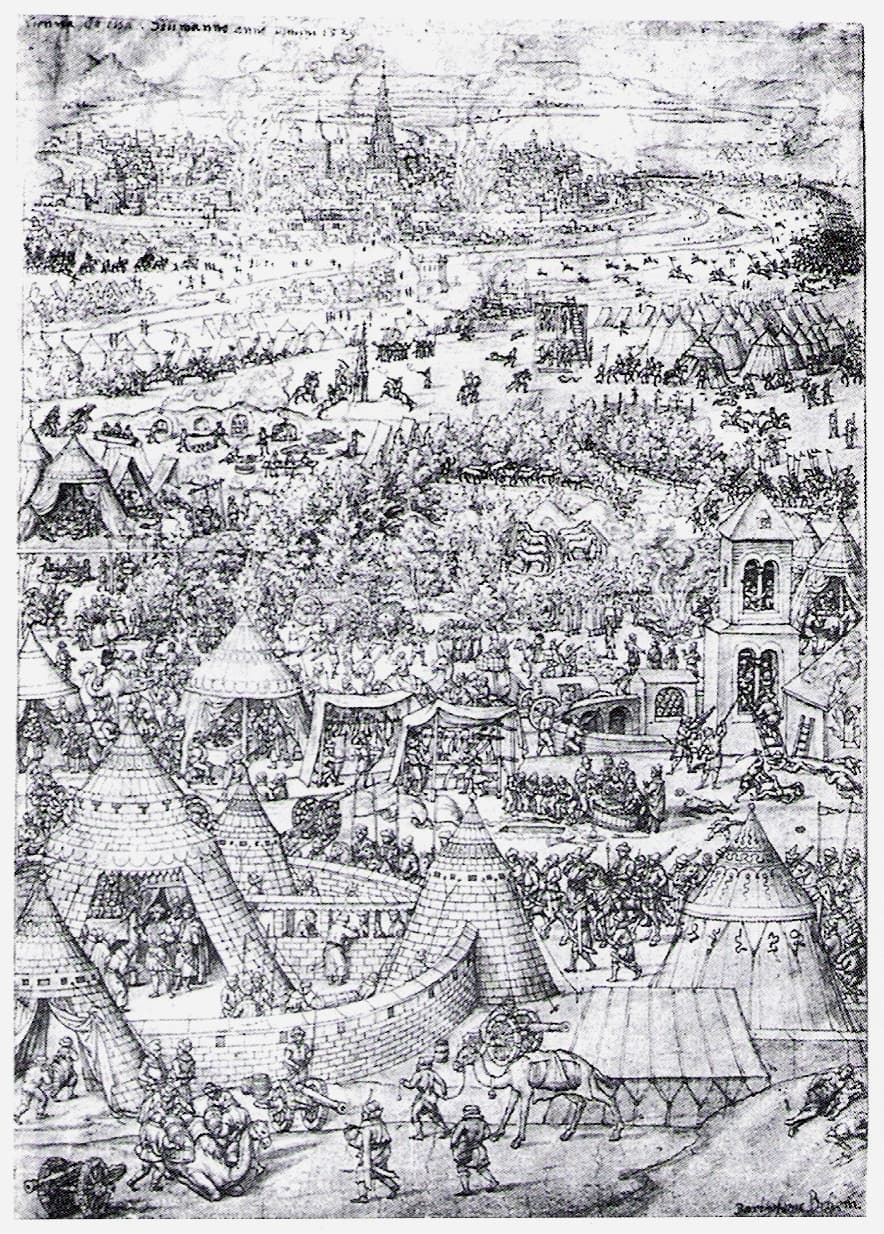
First Siege of Vienna
Ottoman forces laid siege to Vienna in their most ambitious European expedition, but were repulsed by a reinforced garrison. This first defeat marked the western limit of Ottoman expansion and initiated a bitter Ottoman-Habsburg rivalry.
Vienna
Treaty of Constantinople
Ferdinand I acknowledged Ottoman suzerainty and recognized Suleiman as his superior, agreeing to pay annual tribute. The treaty formalized Ottoman dominance over much of Hungary and Habsburg submission.
Constantinople
Eastern Campaign and Baghdad Conquest
Suleiman led a campaign into Persia, retaking territories and making a grand entrance into Baghdad. He restored the tomb of Abu Hanifa, strengthening Ottoman legitimacy among Sunni Muslims.
Baghdad
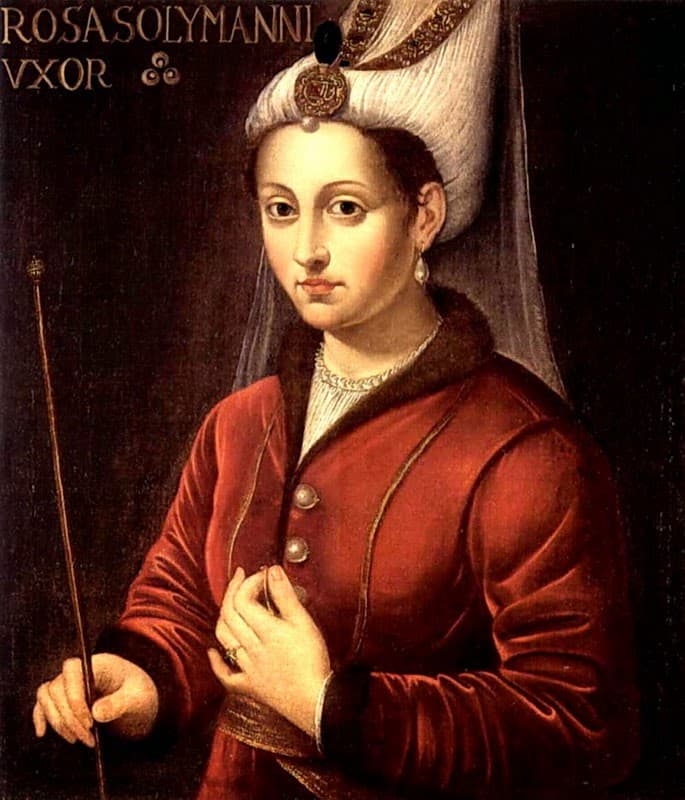
Marriage to Hürrem Sultan
Suleiman broke Ottoman tradition by marrying Hürrem, a woman from his harem known in Europe as Roxelana. This unprecedented marriage helped usher in the influential "Sultanate of Women" period in Ottoman history.
Constantinople
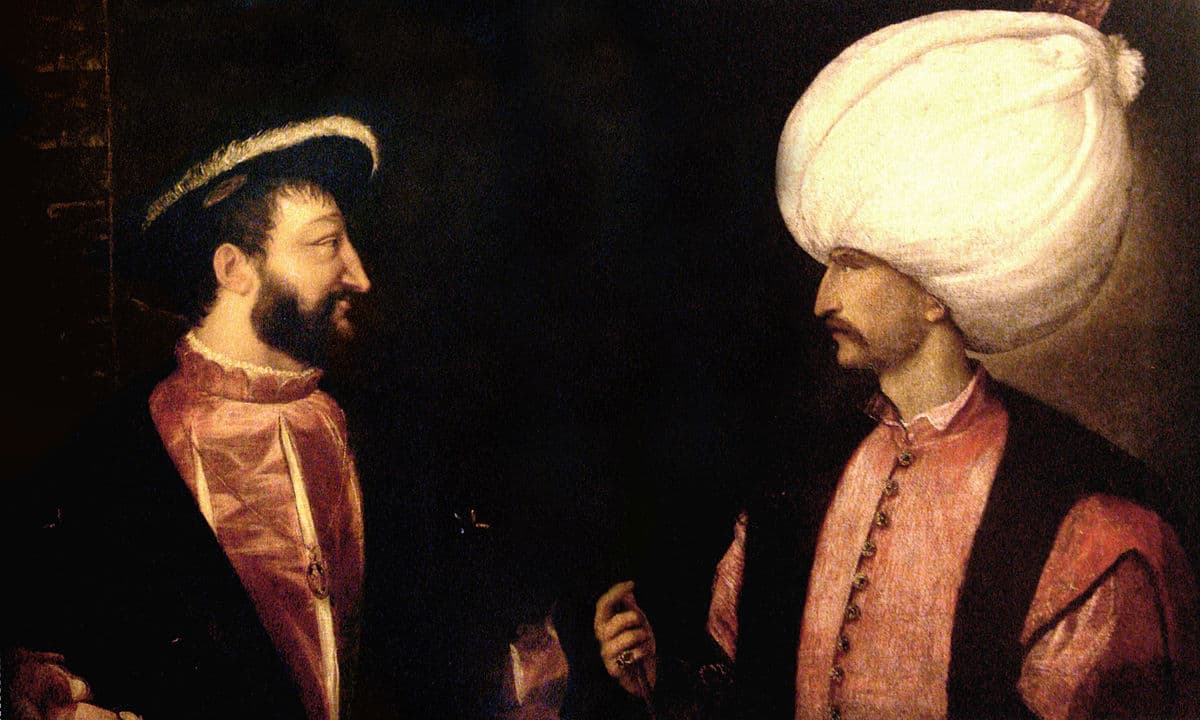
Franco-Ottoman Alliance Formation
Suleiman formalized an alliance with France's Francis I against their common Habsburg enemy. This unprecedented Christian-Muslim alliance reshaped European geopolitics and demonstrated Ottoman diplomatic flexibility.
Constantinople
Capture of Ottoman Aden
Ottoman forces captured the strategic Yemeni port of Aden to establish a base for challenging Portuguese control in the Indian Ocean. This extended Ottoman influence into global maritime trade routes.
Aden
Appointment of Mimar Sinan
Suleiman appointed Mimar Sinan as chief court architect, beginning a golden age of Ottoman architecture. Sinan would design over 300 buildings across the empire during his 50-year tenure.
Constantinople
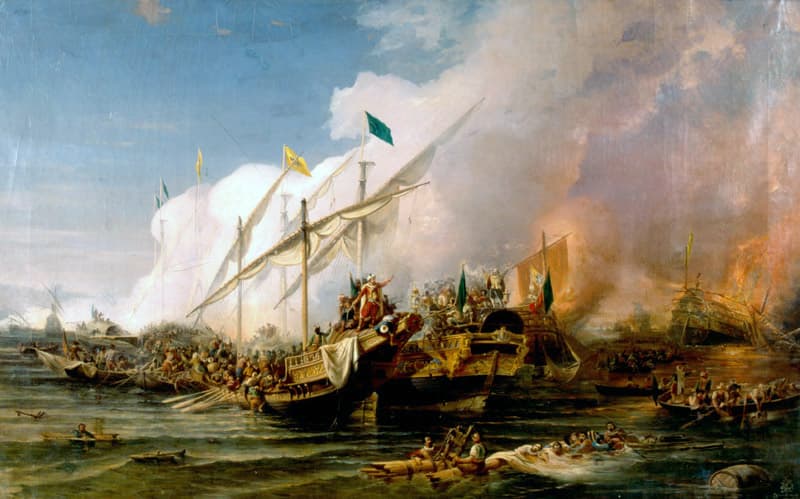
Battle of Preveza
Ottoman Admiral Barbarossa defeated the Holy League under Andrea Doria in a decisive naval engagement. This victory established Ottoman naval dominance in the Mediterranean for decades.
Preveza
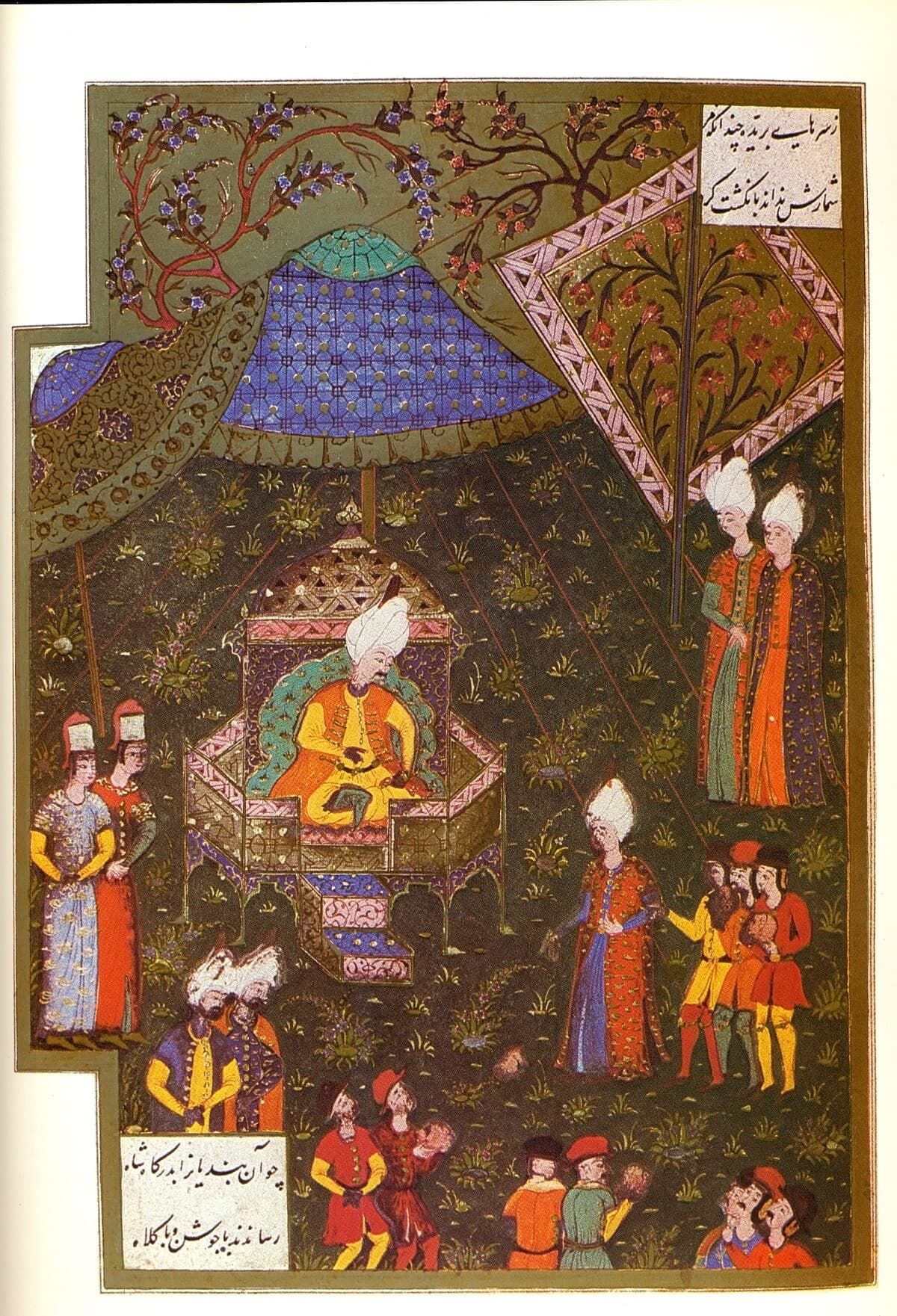
Ottoman Conquest of Buda
Suleiman captured the Hungarian capital of Buda, incorporating much of central Hungary directly into the Ottoman Empire. The Habsburgs were forced to accept humiliating terms and pay annual tribute.
Buda
Capture of Esztergom
After a two-week siege, Ottoman forces captured the strategic Hungarian fortress city of Esztergom. This victory was part of a successful campaign that also took Siklós, Székesfehérvár, and Szeged.
Esztergom
Peace of Amasya
Suleiman signed a treaty with Safavid Persia that defined the borders between the two empires and ended years of inconclusive warfare. The agreement gave the Ottomans most of Iraq including Baghdad and access to the Persian Gulf.
Amasya
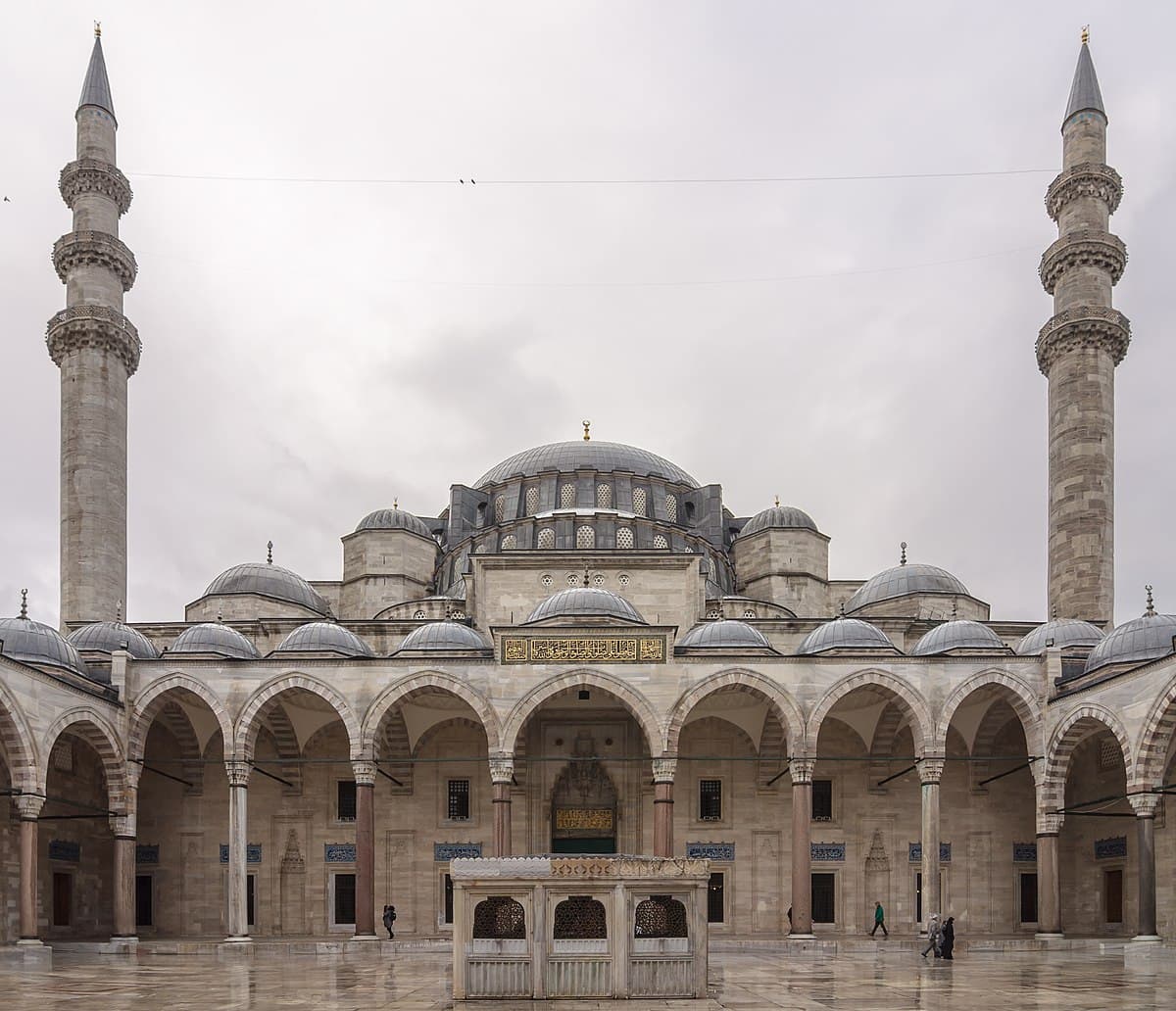
Completion of Süleymaniye Mosque
The magnificent Süleymaniye Mosque complex was completed in Constantinople under Sinan's direction. This architectural masterpiece symbolized the apex of Ottoman cultural and artistic achievement during Suleiman's golden age.
Constantinople
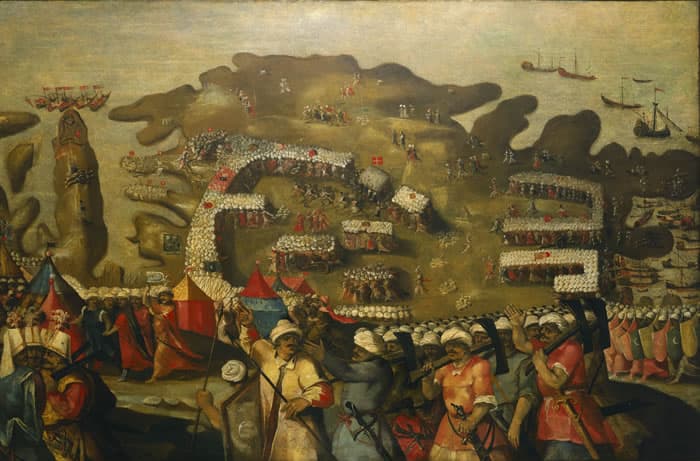
Great Siege of Malta
Ottoman forces invaded Malta but were ultimately defeated after a four-month siege when Spanish reinforcements arrived. The loss of 10,000 Ottoman troops marked a significant setback to Ottoman Mediterranean ambitions.
Malta
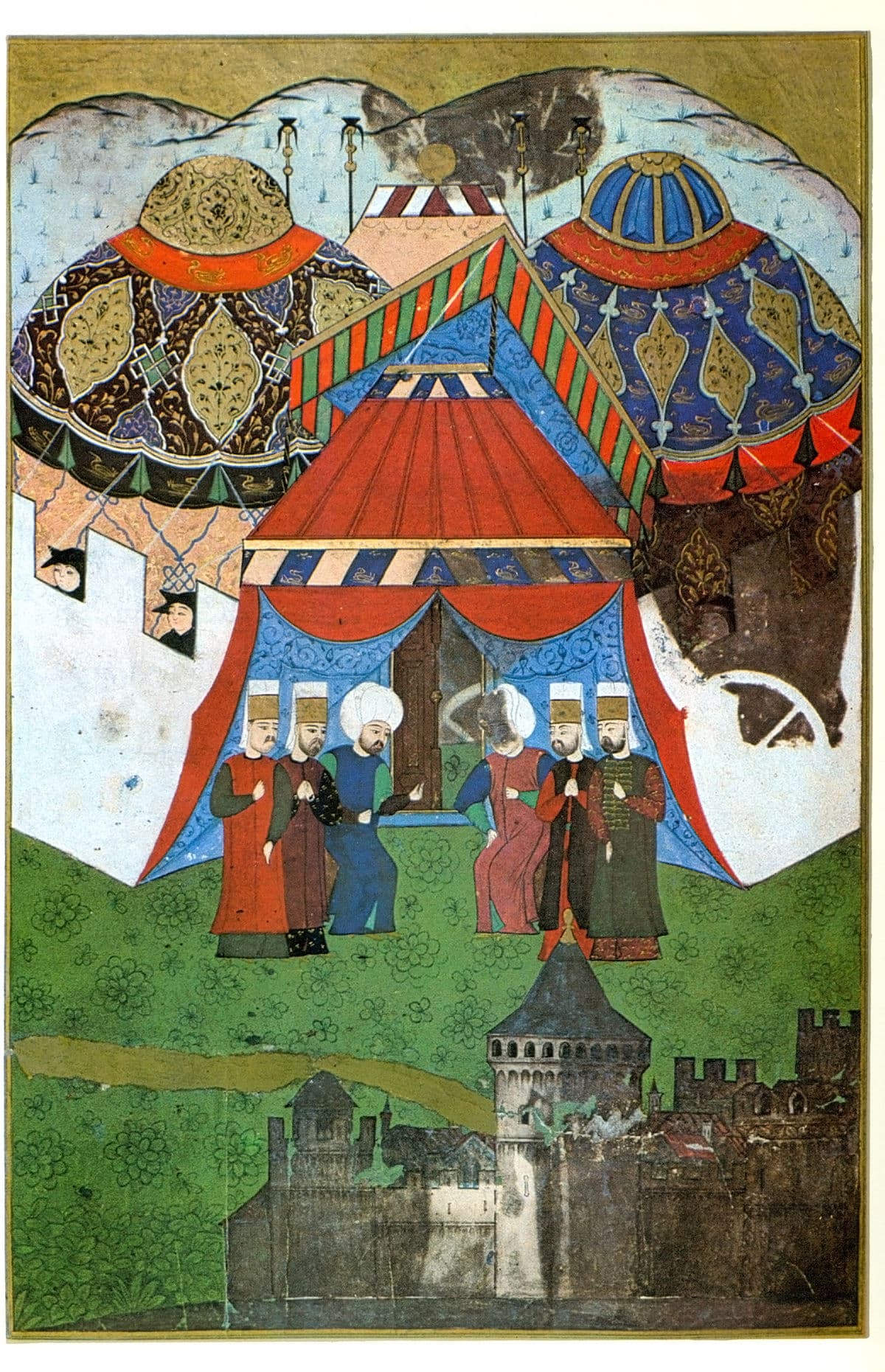
Death at Siege of Szigetvár
Suleiman died in his tent during the siege of Szigetvár at age 71, one day before the fortress fell. His death was concealed for 48 days to maintain army morale until his son Selim II could arrive.
Szigetvár
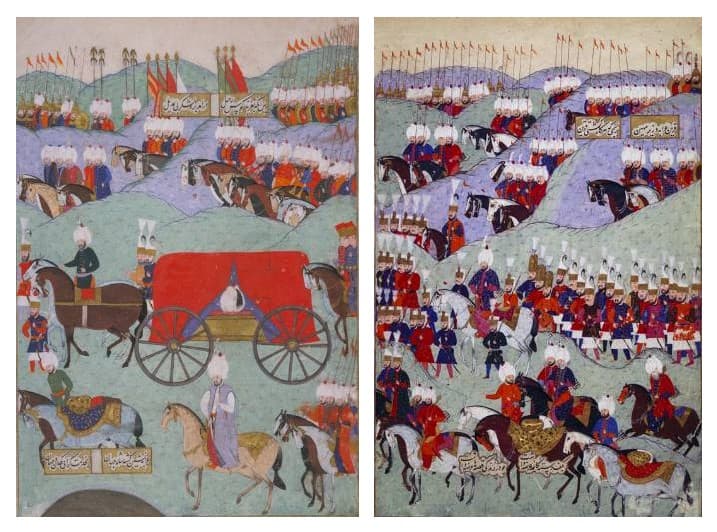
Funeral and Succession
After his death was finally revealed, Suleiman's body was transported to Constantinople for burial. His son Selim II succeeded him, marking the end of the Ottoman Empire's greatest era and beginning a period of transformation.
Constantinople