
Safiye Sultan: The Valide Sultan Era (1595-1603)
Safiye Sultan: The Valide Sultan Era (1595-1603)
by @archivist
A comprehensive chronicle of Safiye Sultan's reign as Valide Sultan of the Ottoman Empire, documenting her political influence, court intrigues, and significant events that shaped the empire during the late 16th and early 17th centuries. This timeline traces her rise to power and her impact on Ottoman governance and society during her tenure from 1595 to 1603.
Safiye Sultan Born in Albania
Born around 1550 in the village of Rezi in the Dukagjin Highlands of Albania, she would later become one of the most powerful women in Ottoman history.
Dukagjin Highlands, Albania
Gifted as Slave to Şehzade Murad
At approximately thirteen years old, she was presented as a slave to Prince Murad by Hümaşah Sultan and given the name Safiye, becoming his concubine.
Manisa, Ottoman Empire
Birth of Şehzade Mehmed
Safiye gave birth to her first son, Mehmed, who would later become Sultan Mehmed III, securing her position as mother of a future sultan.
Manisa, Ottoman Empire
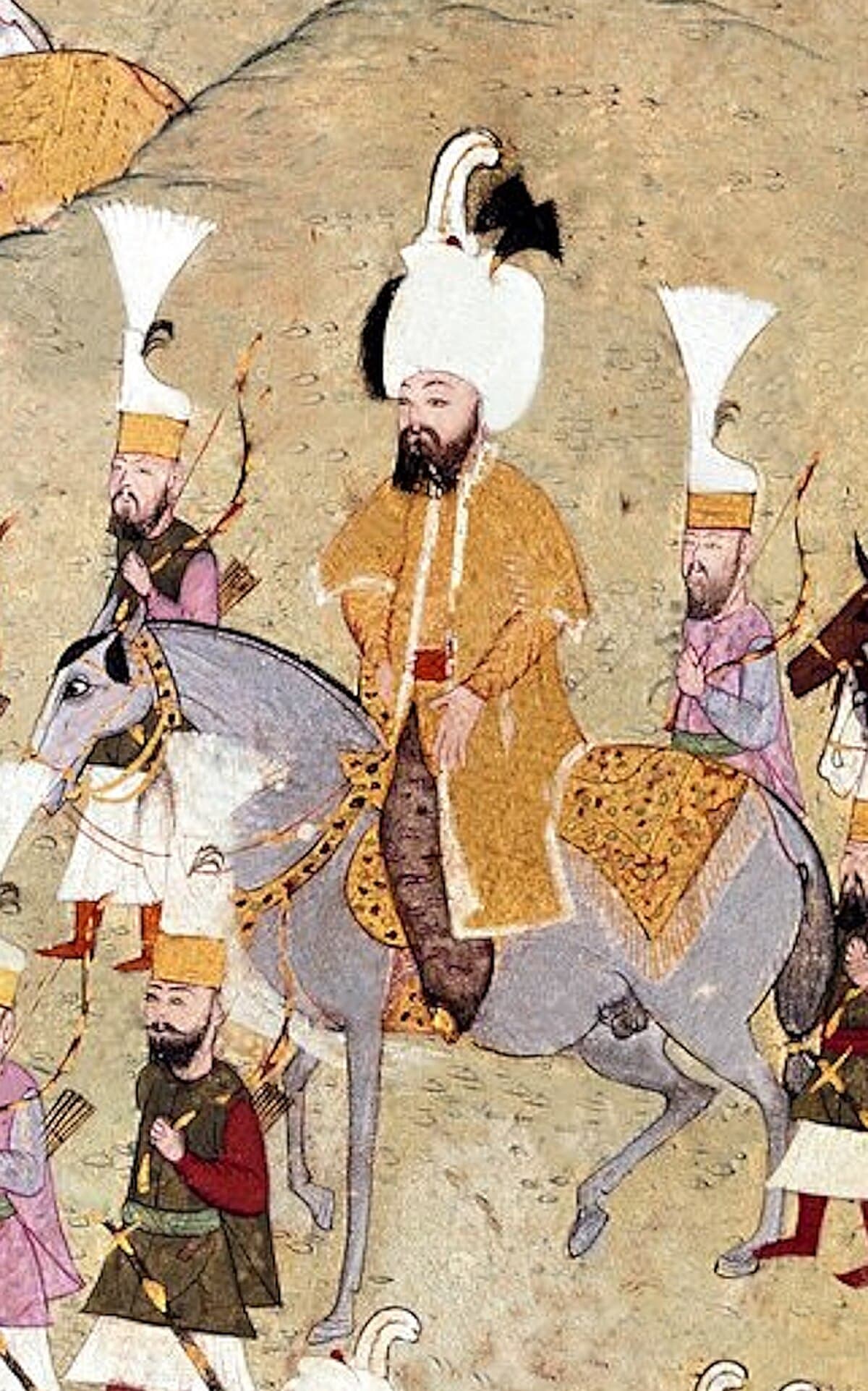
Murad III Becomes Sultan
Following the death of Sultan Selim II, Murad ascended the throne and Safiye moved with him to Topkapi Palace in Constantinople, soon receiving the title of Haseki Sultan.
Constantinople, Ottoman Empire
Power Struggle with Nurbanu Sultan
A factional conflict erupted between Safiye and her mother-in-law Nurbanu Sultan for influence over Murad III, lasting from 1577 to 1580 and intensifying after the death of Grand Vizier Sokollu Mehmed Pasha.
Constantinople, Ottoman Empire
Exiled to Eski Saray
Accused by Nurbanu of using witchcraft to keep Murad from taking other concubines, Safiye was banished to the Old Palace following the imprisonment and execution of her servants.
Constantinople, Ottoman Empire
Return After Nurbanu's Death
Following Nurbanu Sultan's death in December 1583, Safiye returned to Topkapi Palace and became the most powerful woman in the harem, wielding unprecedented influence over state affairs.
Constantinople, Ottoman Empire
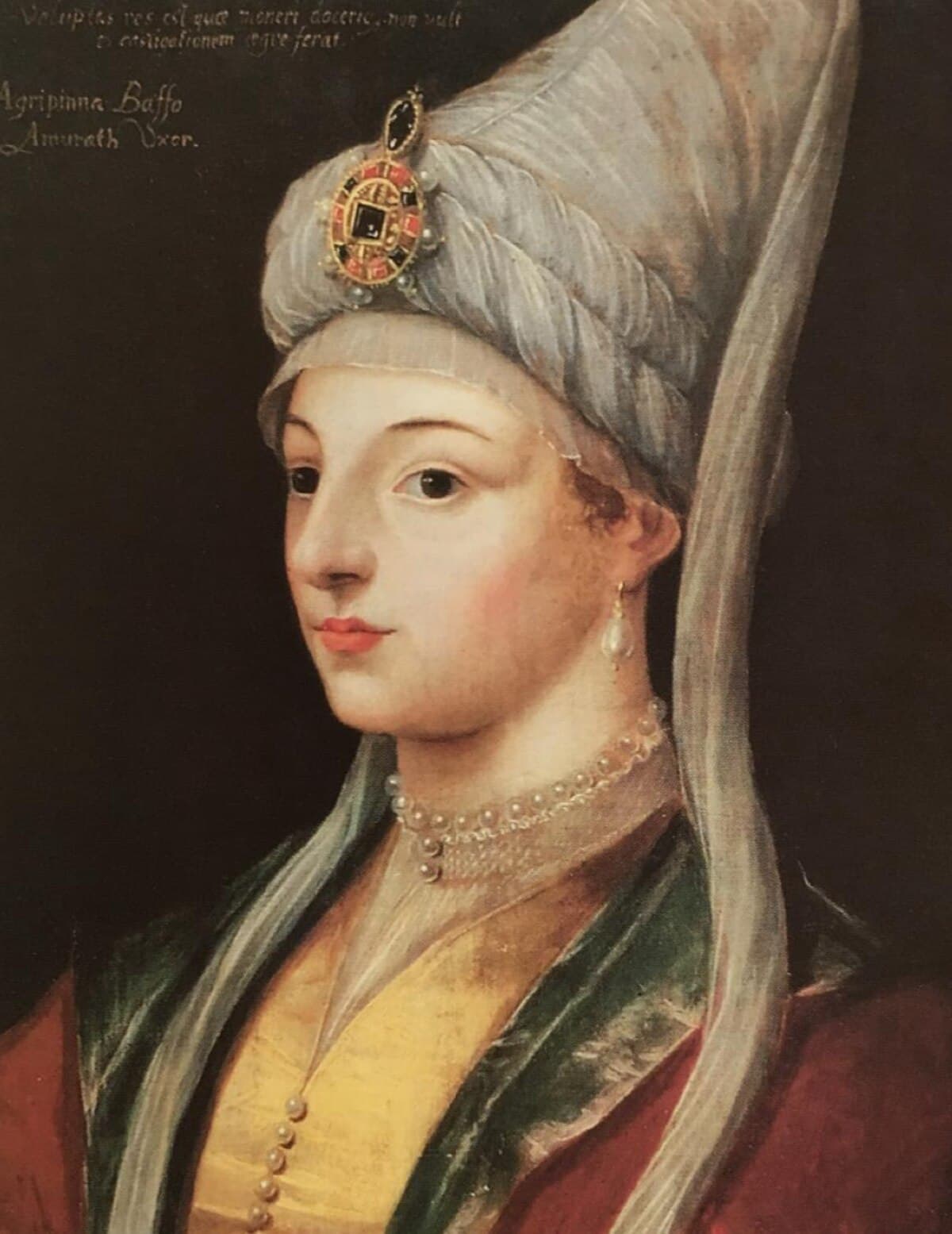
Becomes Valide Sultan
Upon the death of Murad III and succession of her son Mehmed III, Safiye became Valide Sultan with a daily stipend three times that of the Sultan himself, the highest salary in the empire.
Constantinople, Ottoman Empire
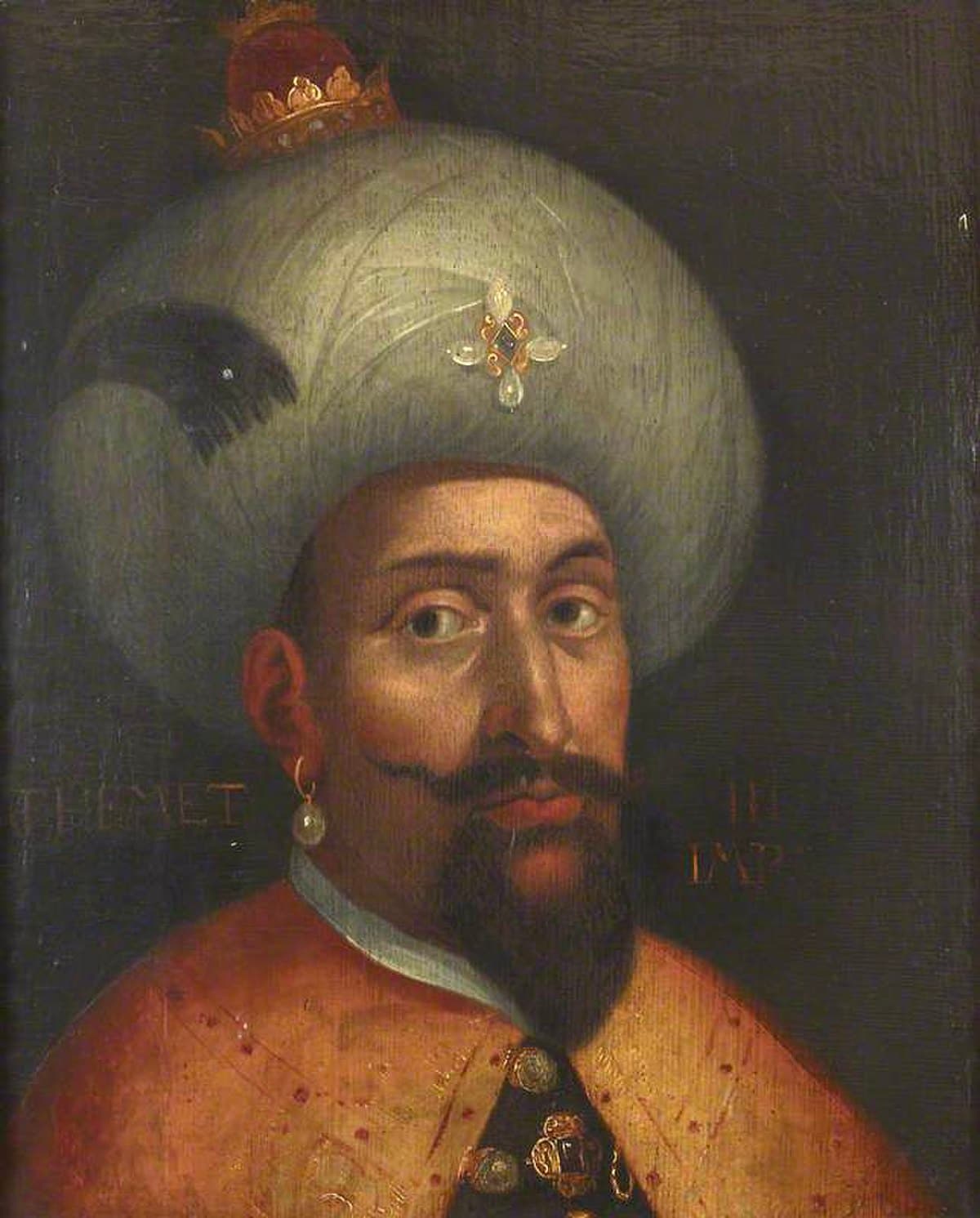
Mehmed III's Hungarian Campaign
When Mehmed III departed for the Eger campaign in Hungary, he left Safiye in charge of the treasury with one billion akçe and authority over important state matters during his absence.
Constantinople, Ottoman Empire
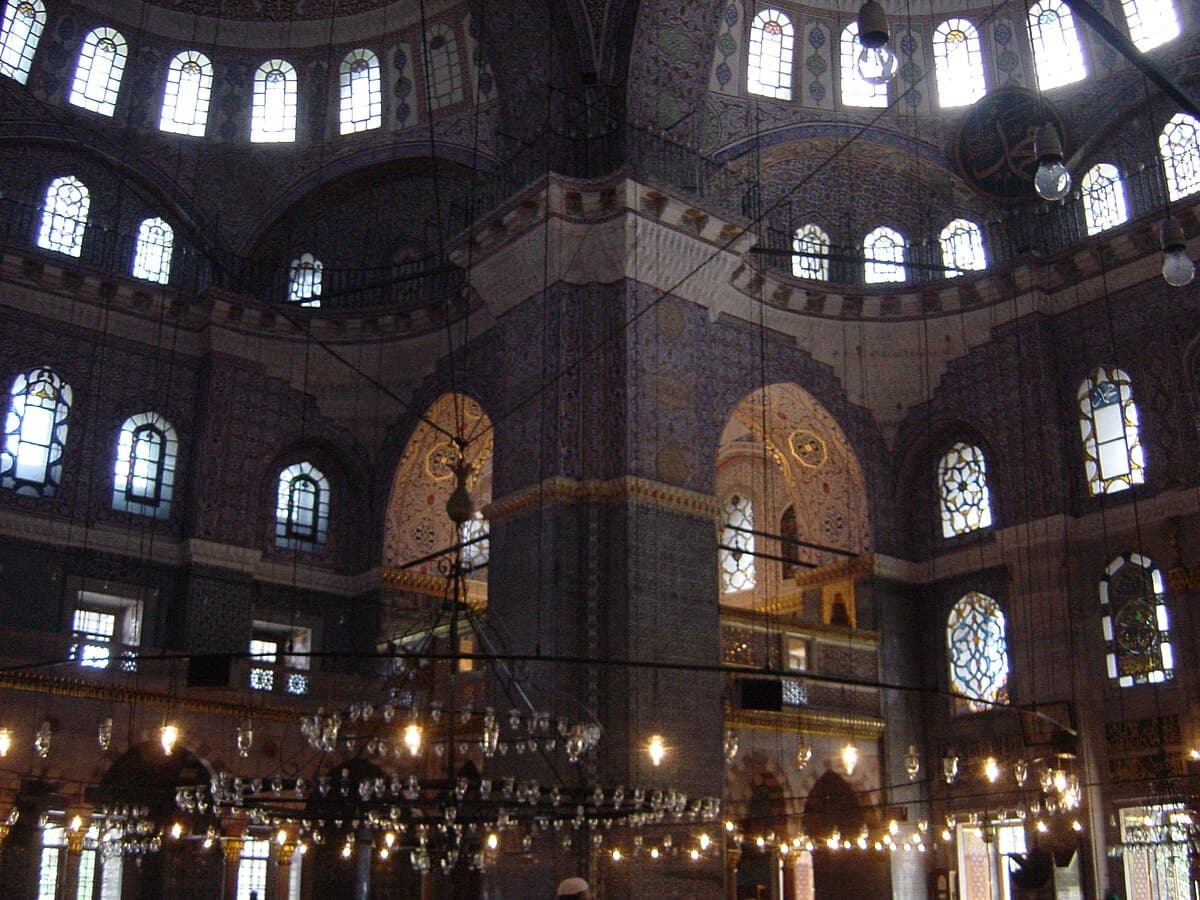
Construction of Yeni Mosque Begins
Safiye initiated construction of the New Mosque in Eminönü, ordering the demolition of part of Constantinople's Jewish quarter to make way for the ambitious project.
Eminönü, Constantinople
Correspondence with Queen Elizabeth I
Safiye exchanged diplomatic letters and gifts with Queen Elizabeth I of England, including a carriage from the Queen and various luxury items in return, establishing unprecedented female diplomatic relations.
Constantinople, Ottoman Empire
Esperanza Malchi Crisis and Rebellion
The imperial cavalry rebelled against the influence of Safiye's Jewish intermediary Esperanza Malchi, who was brutally killed along with her son. Safiye narrowly avoided the soldiers' wrath.
Constantinople, Ottoman Empire
Execution of Grandson Mahmud
Safiye orchestrated the execution of her grandson Prince Mahmud after intercepting a prophecy that he would succeed his father, viewing the popular prince as a threat to her power.
Constantinople, Ottoman Empire
Death of Mehmed III
Sultan Mehmed III died, ending Safiye's reign as the most powerful woman in the Ottoman Empire after nineteen years of influence through her husband and son.
Constantinople, Ottoman Empire
Banished to Old Palace
Sultan Ahmed I, Safiye's grandson, permanently banished her to Eski Saray, stripping her of all political power and influence after his accession to the throne.
Constantinople, Ottoman Empire
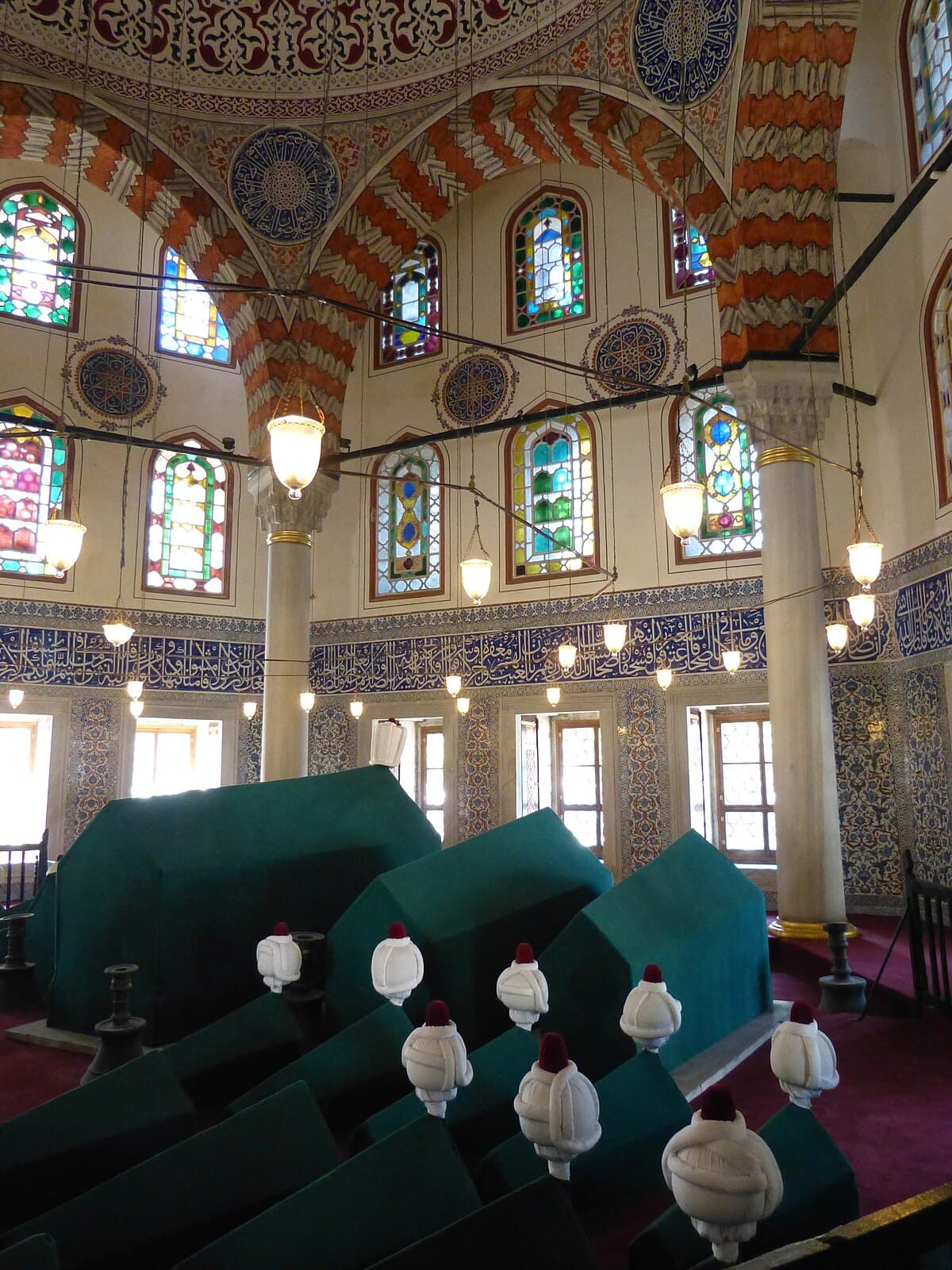
Death of Safiye Sultan
After fifteen years in retirement at the Old Palace without political influence, Safiye Sultan died and was buried in the mausoleum of Murad III at Hagia Sophia.
Constantinople, Ottoman Empire