
Nader Shah's Rise to Power: 1736-1747
Nader Shah's Rise to Power: 1736-1747
by @archivist
A comprehensive chronicle of Nader Shah's military conquests, political reforms, and reign as the founder of the Afsharid dynasty in Iran. This timeline traces his transformation from a military commander to one of the most powerful rulers of the 18th century, documenting his campaigns, territorial expansions, and the major events that shaped his tumultuous 11-year rule.
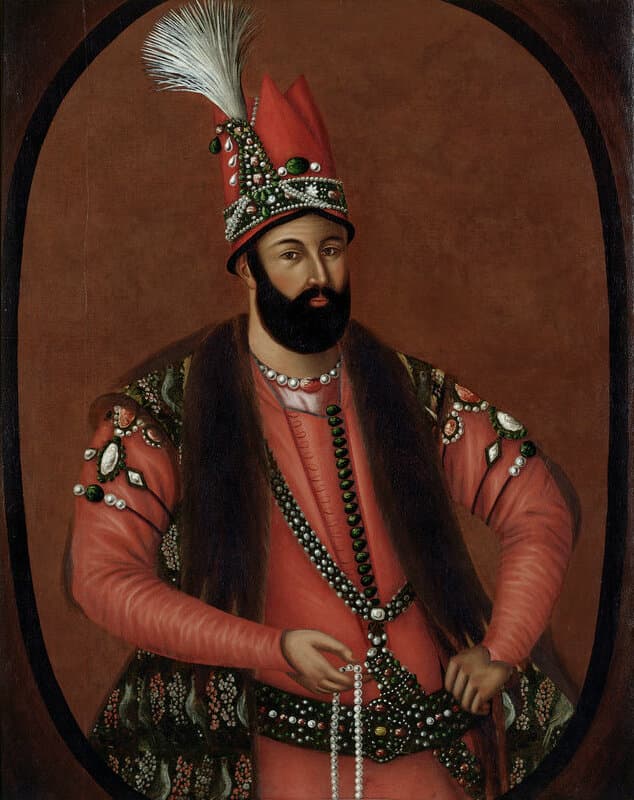
Birth of Nader Shah
Nader Qoli Beg was born in the fortress of Dastgerd in Khorasan province. He came from the Turkoman Afshar tribe and his father was a herdsman.
Dastgerd, Khorasan
Death of Nader's Father
At age thirteen, Nader lost his father and had to support himself and his mother by gathering firewood to sell at market. This early hardship shaped his character and ambition.
Khorasan
Capture by Uzbek Raiders
Nader and his mother were captured and enslaved by Uzbek raiders who invaded Khorasan. His mother died in captivity while Nader eventually escaped.
Khorasan
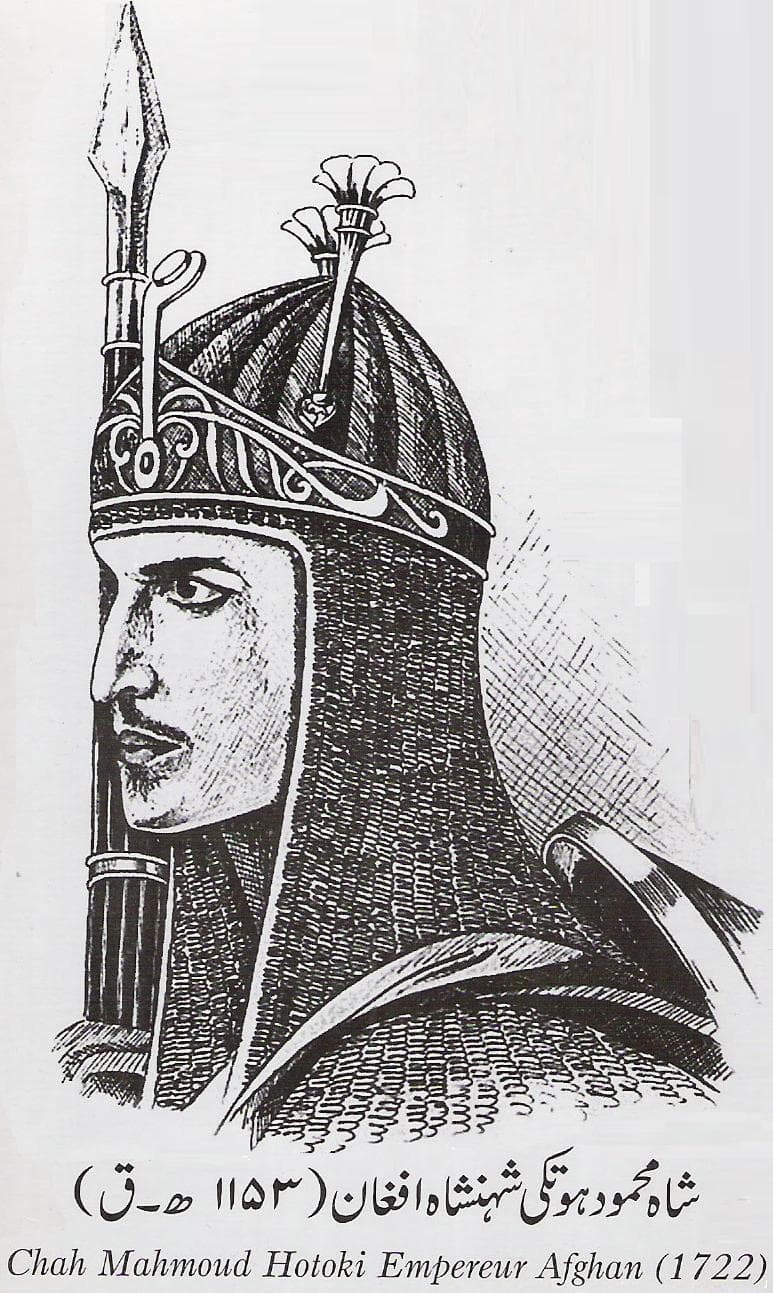
Battle of Gulnabad
Afghan forces under Mahmud Hotaki defeated Safavid troops and then besieged Isfahan. This marked the beginning of the collapse of the Safavid dynasty.
Gulnabad
Fall of Isfahan
After a prolonged siege, Isfahan was starved into submission and Shah Soltan Husayn abdicated to the Afghan leader Mahmud Hotaki. This effectively ended Safavid rule.
Isfahan
Russo-Persian War and Territorial Losses
Russia and the Ottoman Empire exploited Iran's chaos by seizing large territories including Dagestan, Baku, Gilan, and much of the Caucasus. These losses were formalized in the Treaty of Constantinople.
Caucasus
Nader Recaptures Mashhad
Serving as Tahmasp Qoli under Shah Tahmasp II, Nader successfully recaptured the important city of Mashhad from Afghan control. This established him as a military leader of national importance.
Mashhad
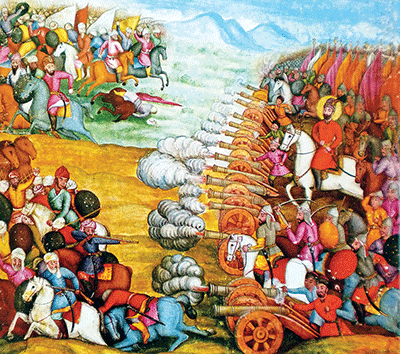
Battle of Damghan
Nader decisively defeated the Ghilzai Afghan shah Ashraf in battle, beginning the final phase of expelling the Afghans from central Iran. This victory opened the path to reclaim Isfahan.
Damghan
Battle of Murchakhort
Nader achieved another crushing victory over Ashraf's Afghan forces in November. Following this defeat, Ashraf fled and was later murdered by his own followers.
Murchakhort
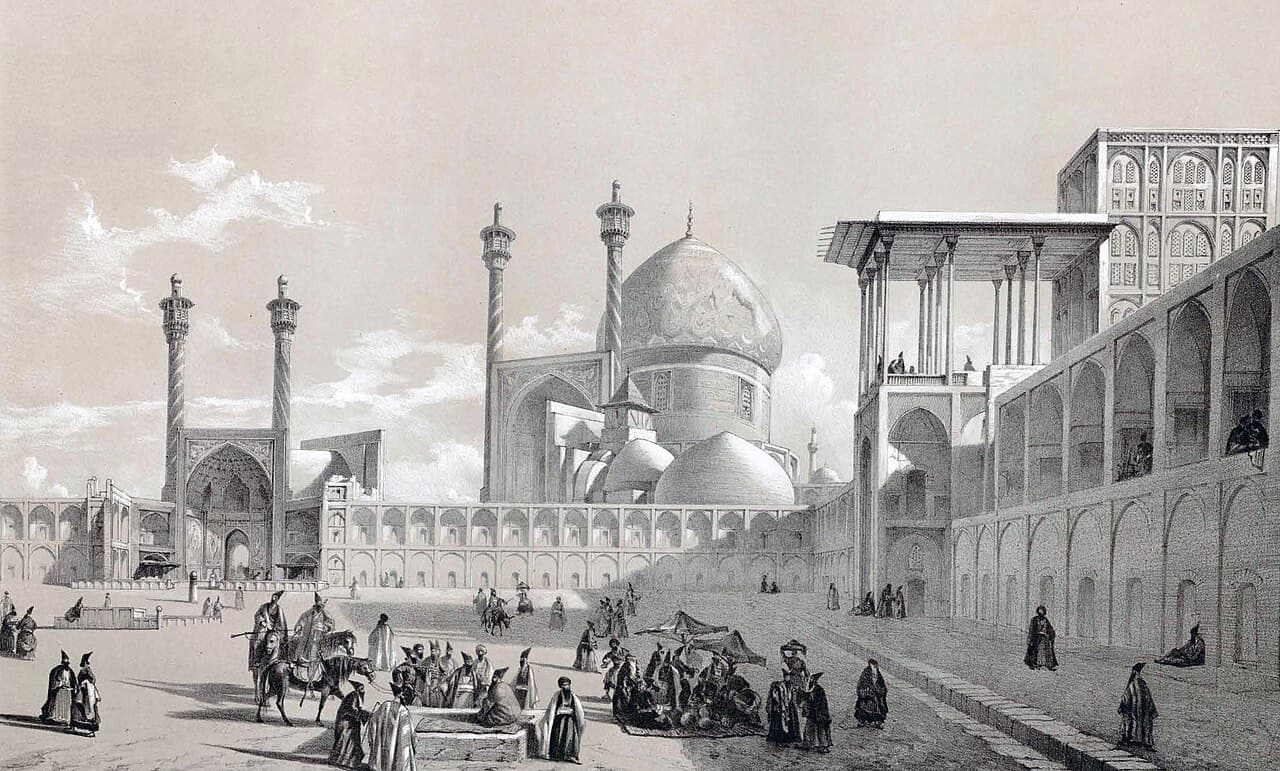
Liberation of Isfahan
Nader entered Isfahan in triumph and handed the capital back to Shah Tahmasp II in December. However, he immediately plundered the city to pay his troops.
Isfahan
First Ottoman Campaign Begins
Nader launched a campaign against the Ottoman Empire and successfully regained most Iranian territory lost during the recent chaos. This offensive restored Iranian control over western provinces.
Western Iran
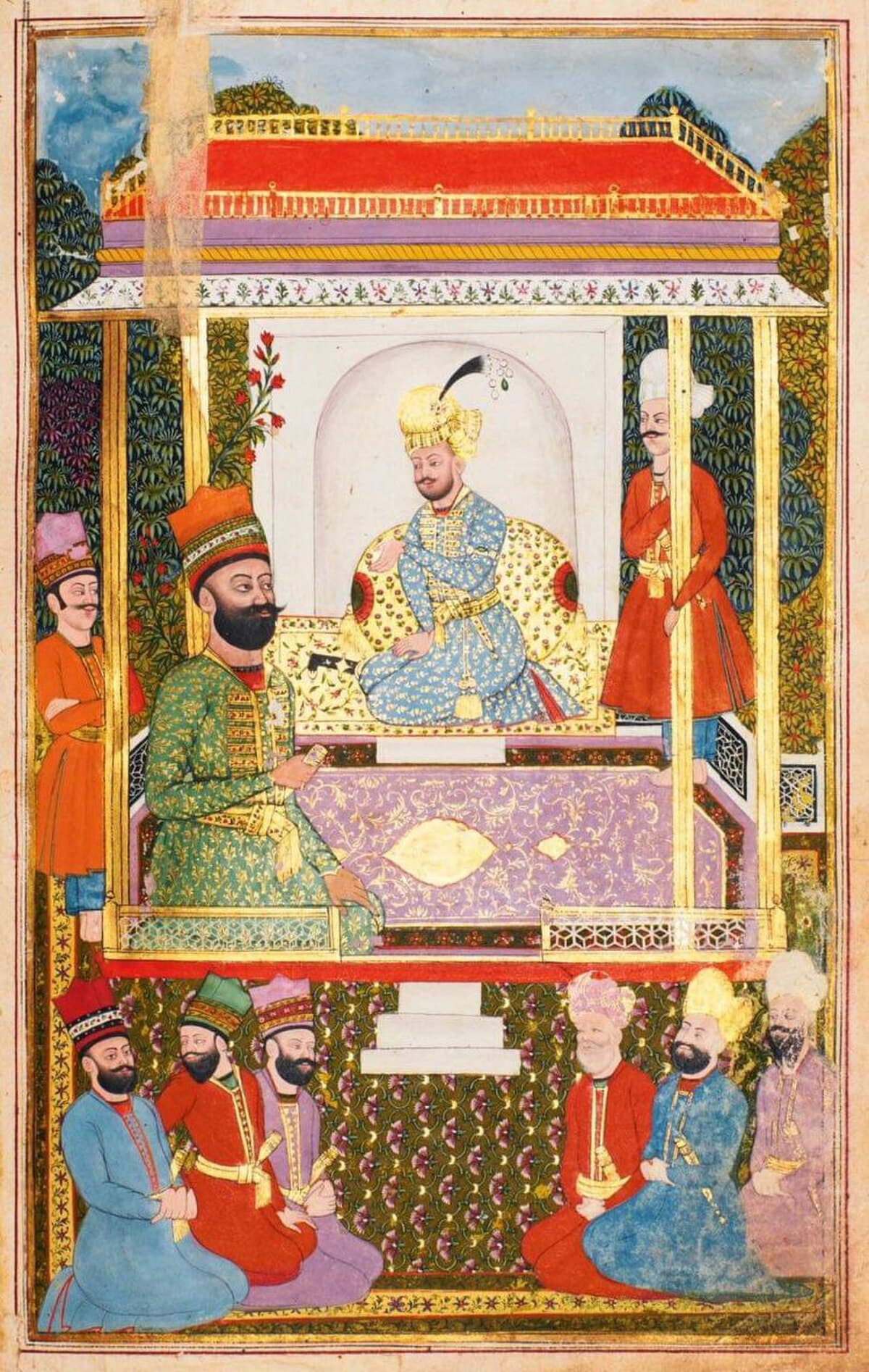
Forced Abdication of Tahmasp II
After Tahmasp's disastrous independent military campaign lost all recent gains, Nader forced the shah to abdicate in favor of his infant son Abbas III. Nader became regent with effective control of Iran.
Isfahan
Defeat Near Baghdad
Nader suffered his only battlefield defeat when Ottoman general Topal Osman Pasha routed his army near Baghdad. This was a temporary setback in his otherwise unbroken string of victories.
Baghdad
Victory at Baghavard
Nader achieved a great victory over a superior Ottoman force at Baghavard. This restored his military reputation and secured control over Armenia and Georgia.
Baghavard
Treaty with Russia at Ganja
Nader signed a treaty with Russia whereby they agreed to withdraw all troops from Iranian territory. This reestablished Iranian sovereignty over the Caucasus and northern mainland Iran.
Ganja
Qoroltai Assembly on Moghan Plain
Nader convened a grand assembly in the Mongol tradition where military leaders, clergy, and nobility agreed to his ascension as shah. This gathering legitimized his claim to replace the Safavid dynasty.
Moghan Plain
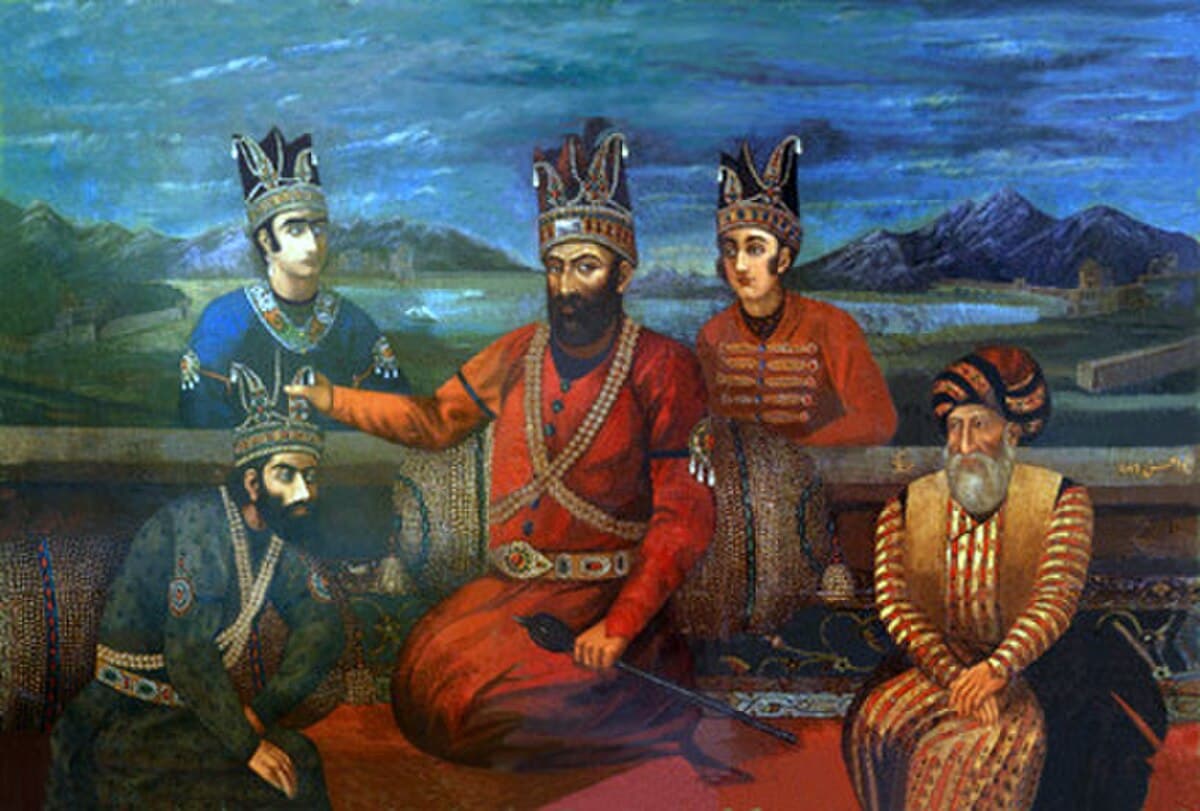
Coronation as Shah of Iran
Nader was crowned Shah of Iran at a ceremony on a date chosen by his astrologers. He formally ended the Safavid dynasty and founded the Afsharid dynasty in its place.
Moghan Plain
Destruction of Kandahar
Nader besieged and destroyed Kandahar, the last Hotaki stronghold, ending Afghan resistance. He built a new city called Naderabad nearby to mark his victory.
Kandahar
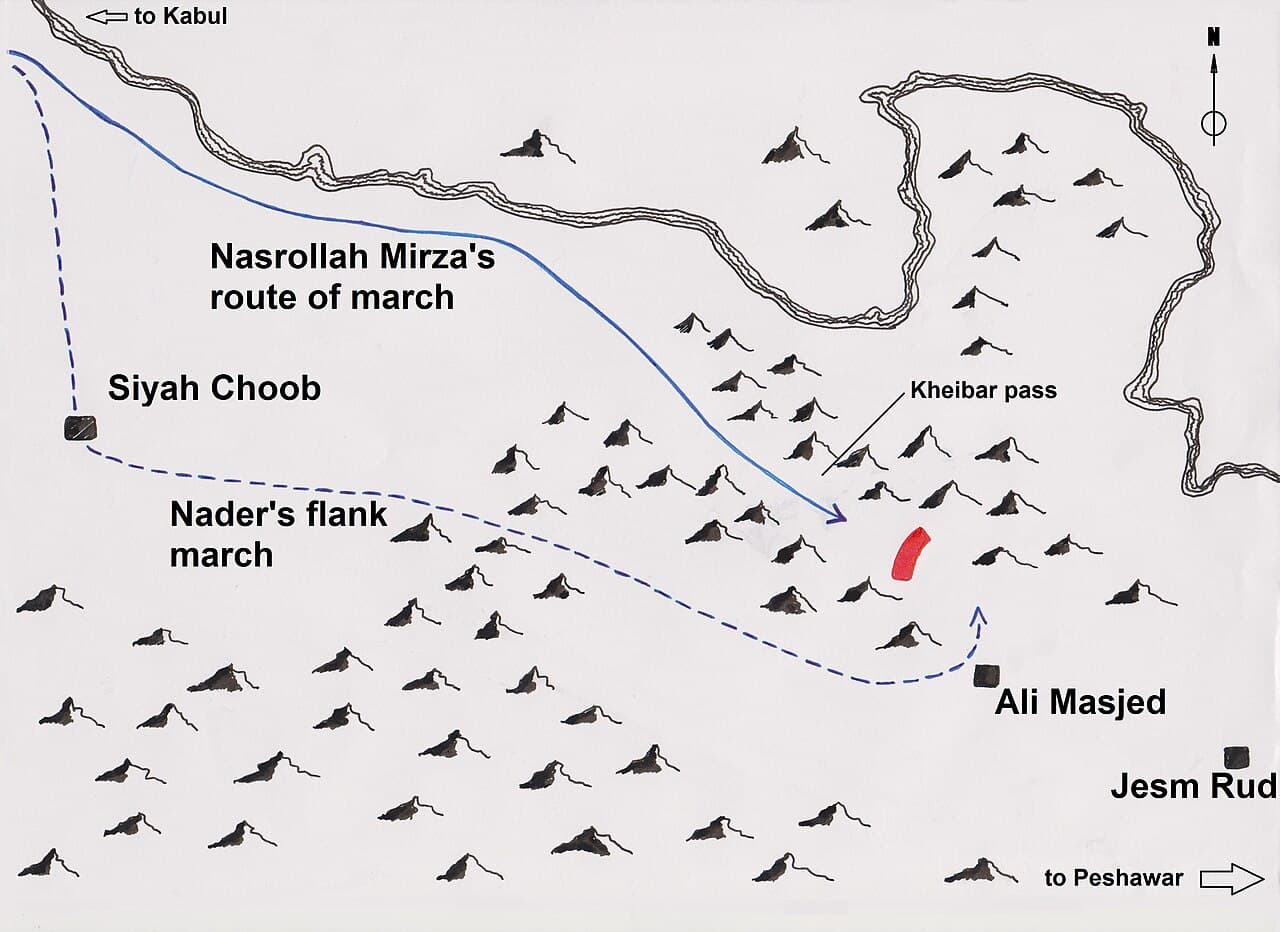
Battle of Khyber Pass
In a brilliant tactical maneuver, Nader led his forces through nearly impassable mountain passes to surprise and defeat Mughal forces despite being outnumbered two-to-one. This opened the route to India.
Khyber Pass
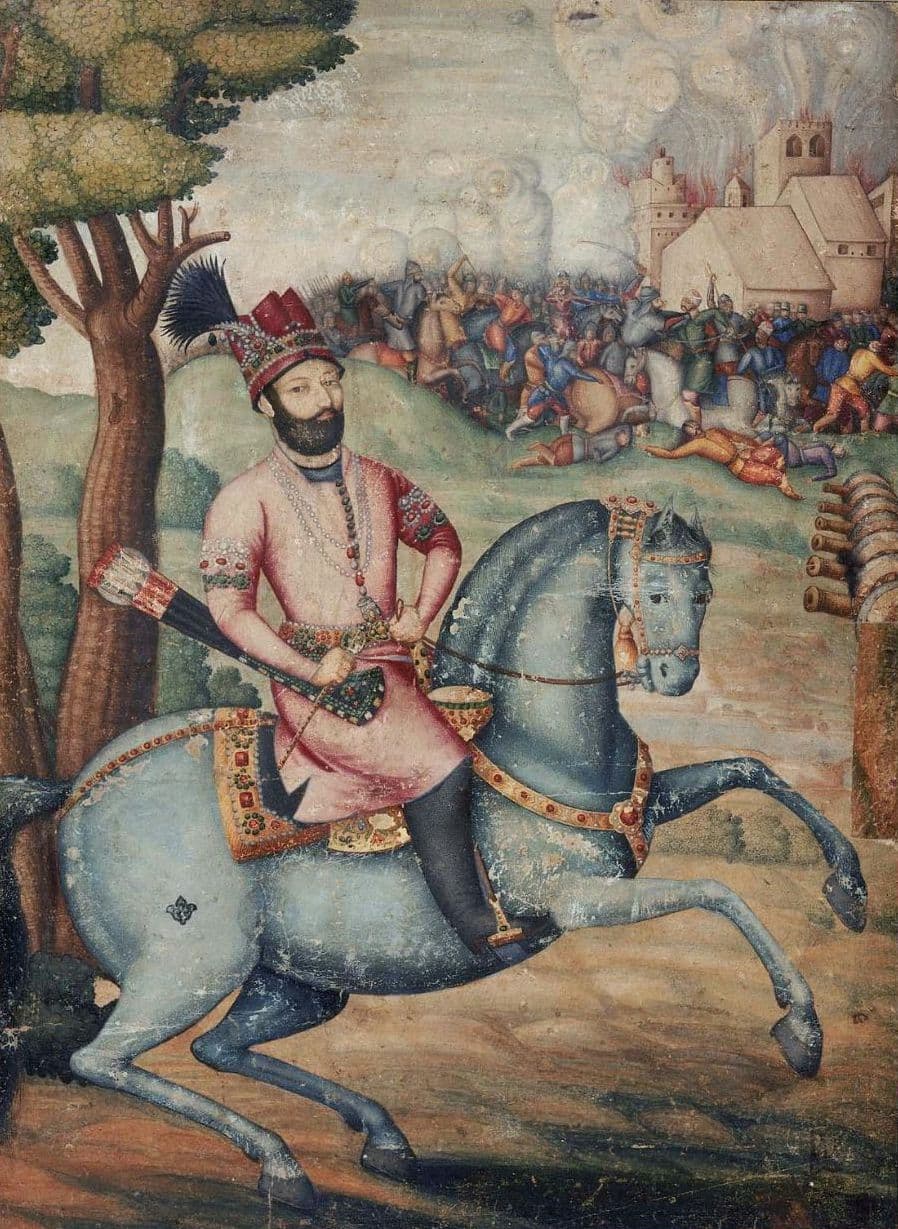
Battle of Karnal
Nader crushed a Mughal army of 300,000 men in less than three hours despite being outnumbered six to one. This spectacular victory opened the way to Delhi and demonstrated his military genius.
Karnal
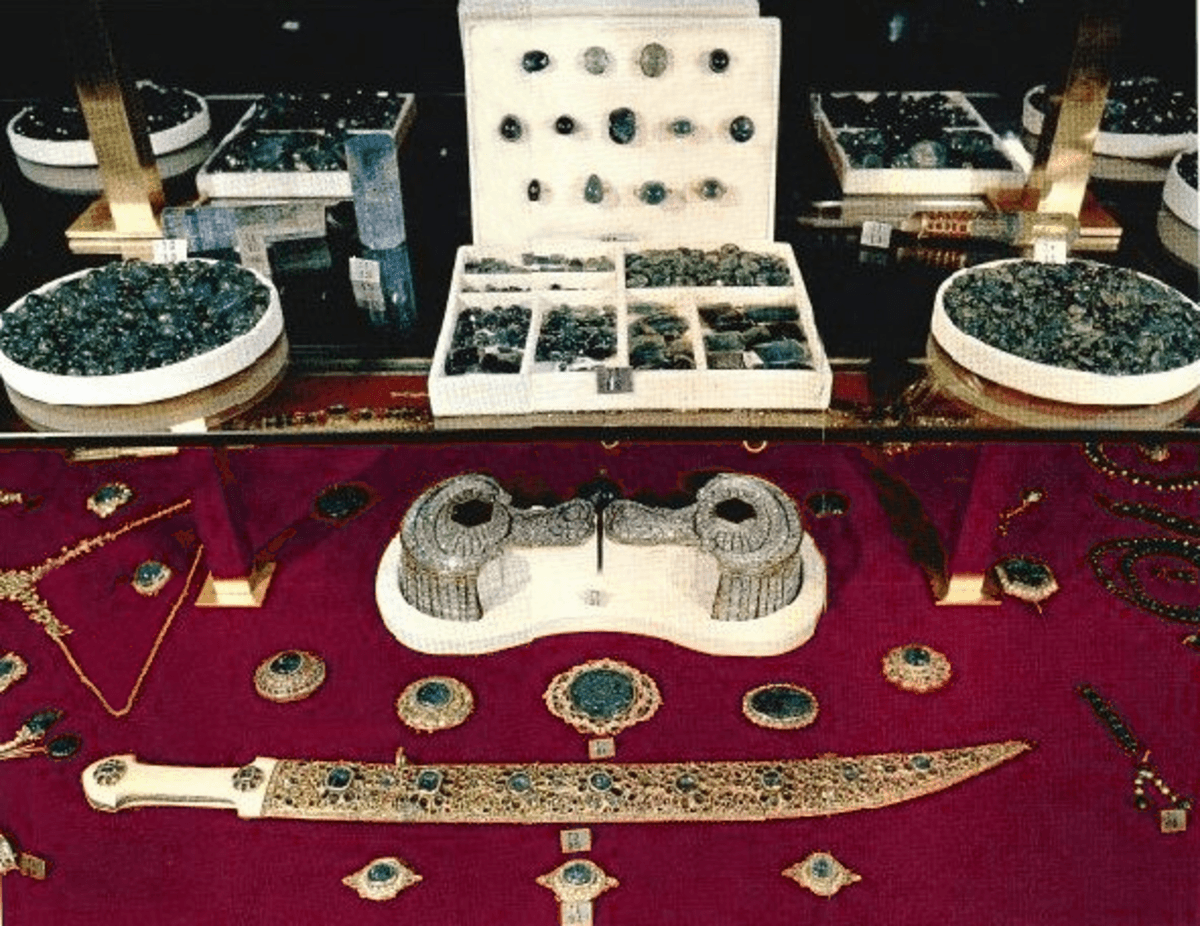
Looting of Mughal Treasury
Nader seized the keys to the Mughal royal treasury and took treasures worth 700 million rupees including the Peacock Throne and the Koh-i-Noor diamond. The plunder was so vast he suspended taxation in Iran for three years.
Delhi
Sack of Delhi
After a rumor of his assassination led to attacks on Iranian troops, Nader ordered the sack of Delhi. Between 20,000 and 30,000 Indians were killed in one day and thousands enslaved.
Delhi
Sikh Ambush in Chenab Valley
As Nader's army withdrew through Punjab, Sikh cavalry bands attacked and captured a large portion of his plunder and freed many slaves. The Persians were unable to pursue due to the heat and their remaining booty.
Chenab Valley
Translation Commission Presents Works
A commission of Muslim scholars and Christian priests completed translations of the Koran and Gospels under court supervision. Nader received the works in Qazvin but was reportedly unimpressed.
Qazvin
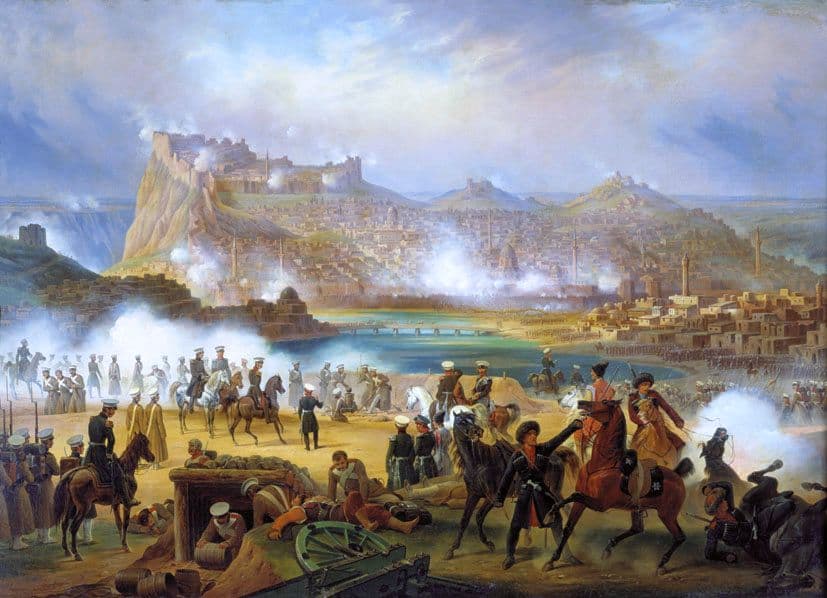
Siege of Kars
During the second Ottoman war, Nader besieged the strategic fortress city of Kars. His eventual victory there secured Iranian control over the Caucasus frontier.
Kars
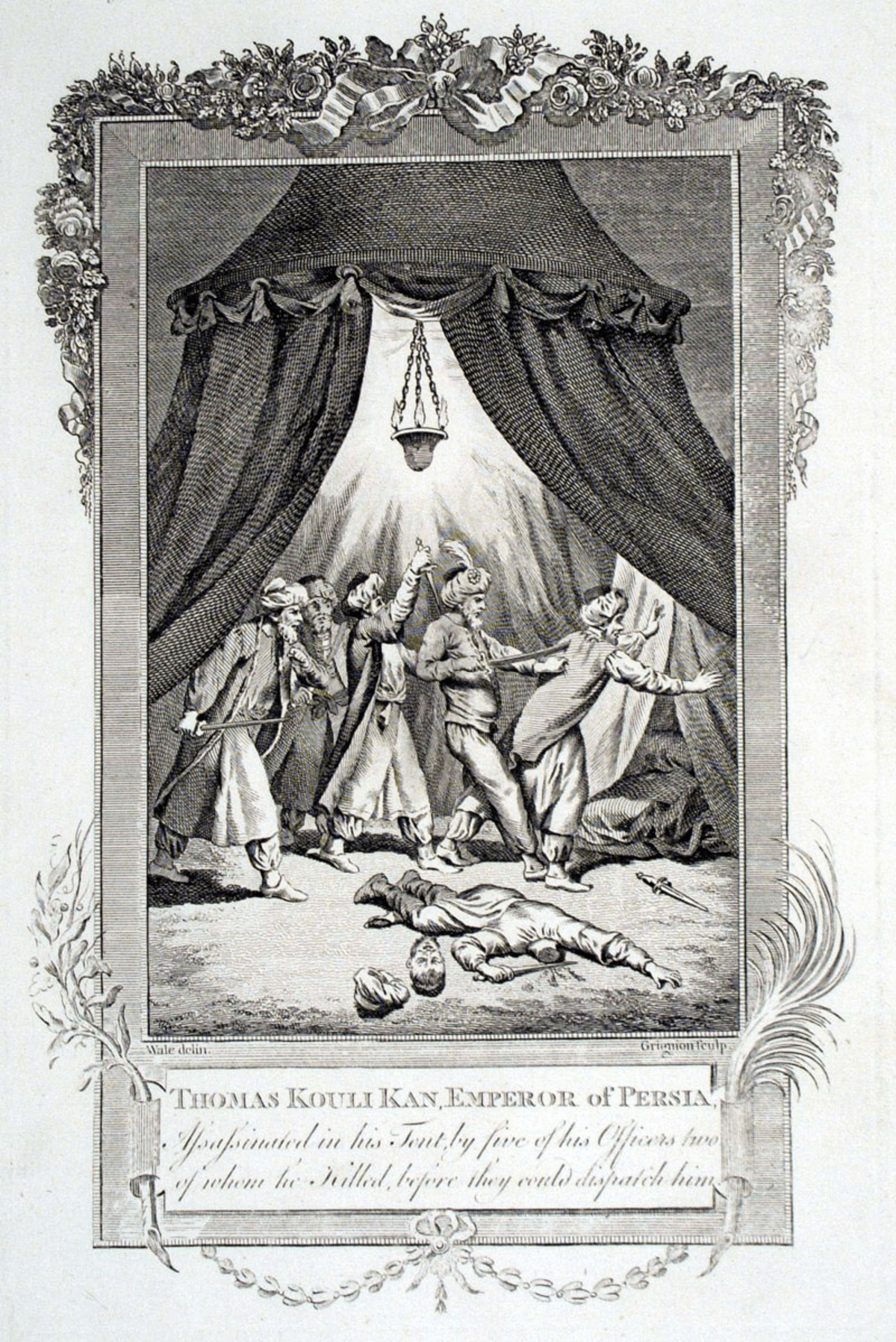
Assassination of Nader Shah
Nader was assassinated during a rebellion led by his own officers who could no longer tolerate his increasing cruelty and paranoia. His death ended his brief but spectacular imperial reign.
Khorasan
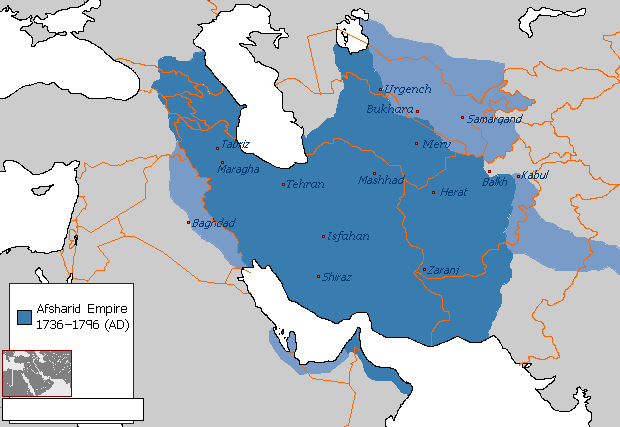
Disintegration of Afsharid Empire
Following Nader's assassination, his vast empire quickly collapsed into civil war. Various regional powers and former subjects reasserted independence as central authority vanished.
Iran