
Hangul: From Creation to Global Recognition (1443-Present)
Hangul: From Creation to Global Recognition (1443-Present)
by @archivist
This timeline traces the history of Hangul, Korea's native alphabet, from its invention by King Sejong the Great in 1443 through its evolution, suppression, revival, and eventual recognition as a UNESCO Memory of the World. It documents the linguistic, cultural, and political significance of this unique writing system across nearly 600 years.
King Sejong the Great Begins Reign
Sejong ascended to the throne of the Joseon dynasty, beginning a rule that would later be marked by his creation of the Korean alphabet. His reign lasted until 1450 and represented a golden age of Korean cultural development.
Joseon (Korea)
Hangul First Introduced to Court
King Sejong presented the newly created Korean alphabet to his royal court in its nearly complete form during the twelfth month of the Korean calendar. This marked the first official unveiling of the revolutionary writing system.
Seoul, Joseon
Yongbiŏch'ŏn'ga Created
The first literary work ever composed in Hangul was produced as part of efforts to develop official documentation for the new script. This milestone demonstrated the practical application of the writing system.
Joseon (Korea)
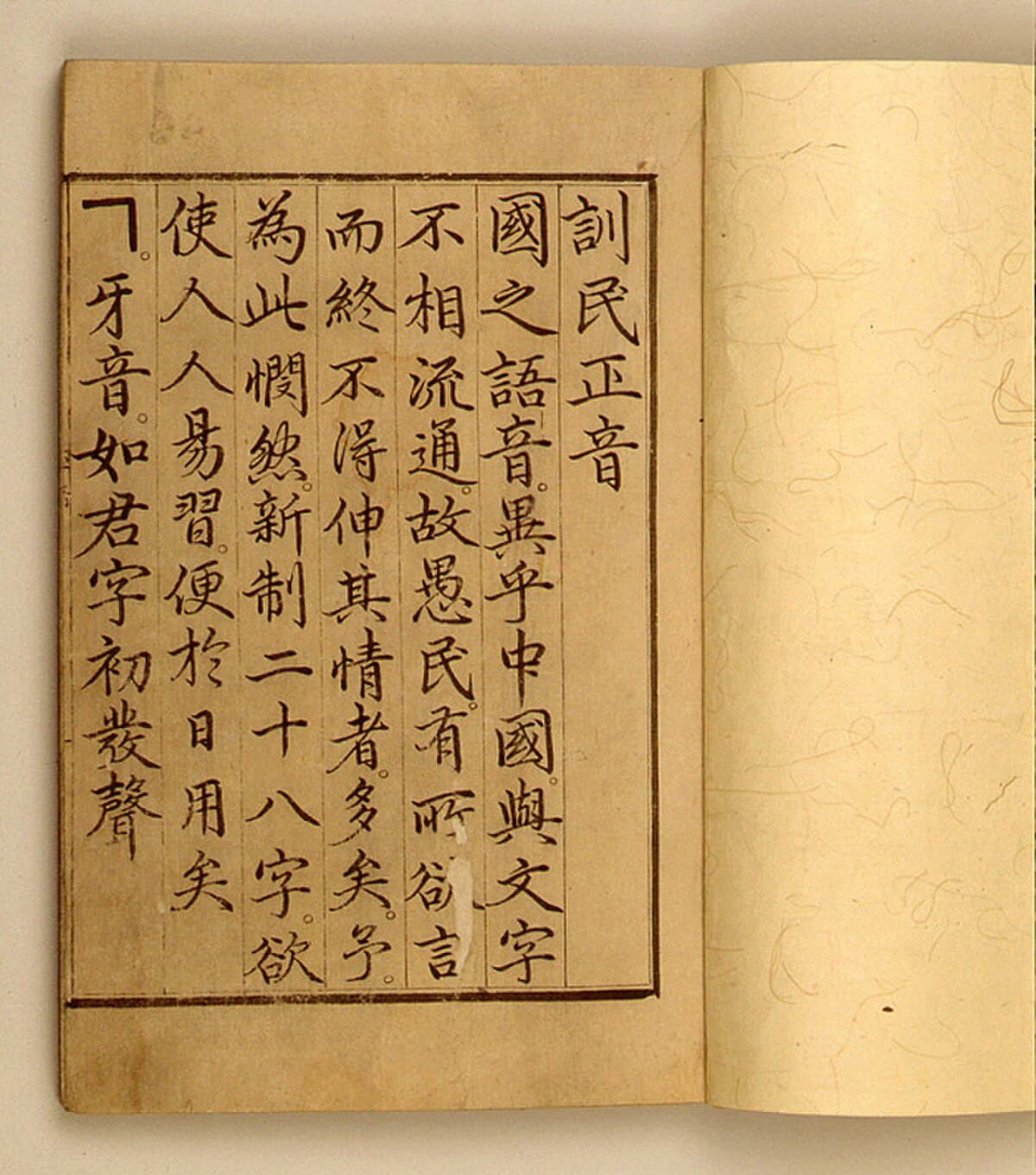
Hunminjeongeum Officially Published
The Korean alphabet was formally promulgated through the publication of two introductory texts that explained the new writing system and its principles. This official launch made the script available beyond the royal court.
Joseon (Korea)
Second Literati Purge Suppresses Hangul
King Yeonsangun persecuted those using Hangul after discovering criticisms of him written in the script. This repression temporarily halted the spread of the writing system.
Joseon (Korea)
Hangul Tone Markings Discontinued
The practice of using special marks to indicate tones in Hangul writing ceased around this time. This represented a significant simplification of the orthographic system.
Joseon (Korea)
Imjin War Disrupts Hangul Orthography
The devastating Japanese invasion caused widespread chaos that led to significant inconsistencies in Hangul spelling and usage. These irregularities persisted for centuries afterward.
Joseon (Korea)
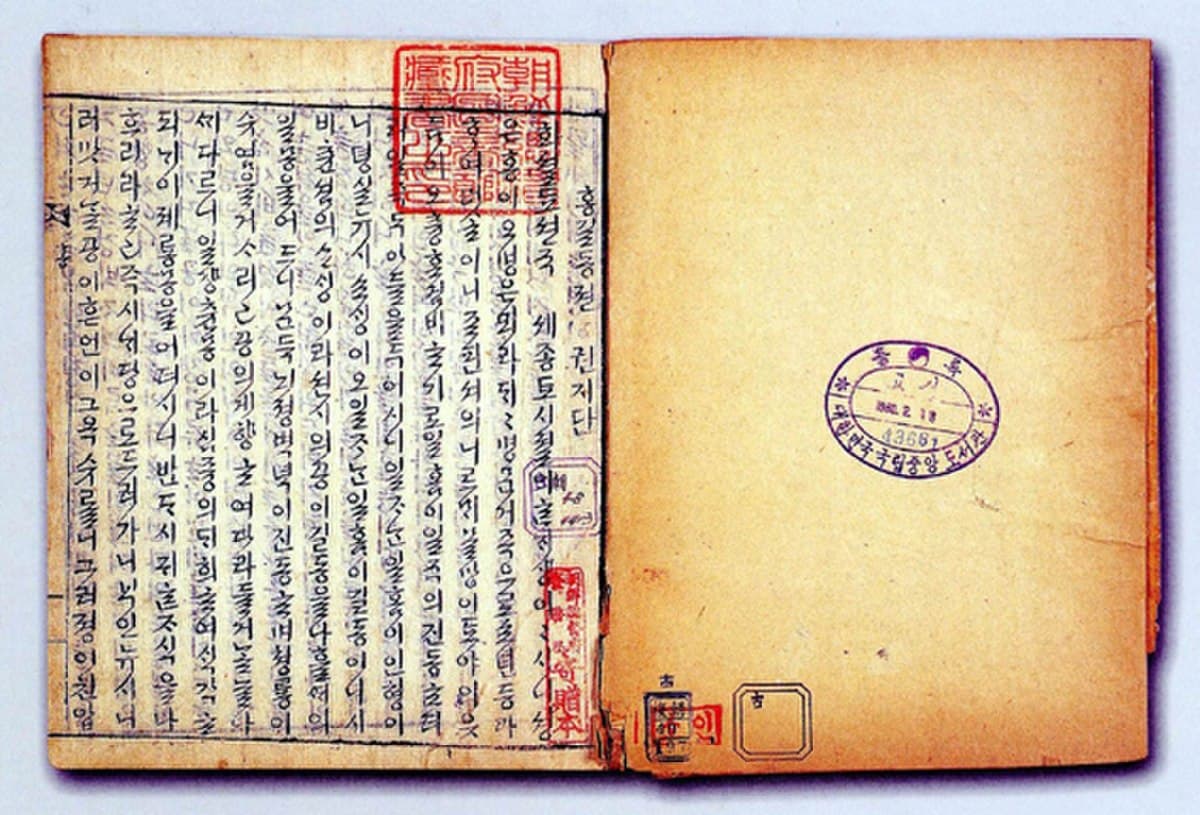
Hong Gildong jeon Published
This landmark novel became one of the most important early works of popular Korean literature written in Hangul. It demonstrated the script's growing use for creative writing.
Joseon (Korea)
Korea Ends Isolationism
The opening of Korea to foreign contact brought an influx of new ideas that would transform attitudes toward Hangul. The script began to be viewed as a symbol of national identity.
Korea
Corean Primer Introduces Modern Features
Scottish missionary John Ross published a groundbreaking Korean language primer that introduced spaces between words and horizontal writing for Hangul. These innovations would later become standard practice.
Korea
Hansŏng chubo Uses Mixed Script
This newspaper became the first Korean publication to combine Hangul with Chinese characters in its reporting. It represented a new approach to written Korean journalism.
Seoul, Korea
Morse Code for Hangul Developed
Korean scholar Kim Hagu created the first telegraphic code system for transmitting Hangul messages. This technological adaptation enabled modern communication using the Korean script.
Korea
Joseon Decrees Hangul for Documents
The government officially designated Hangul as the preferred script for administrative purposes, though mixed script remained acceptable. This marked a major shift in official policy toward the native alphabet.
Joseon (Korea)
The Independent Newspaper Founded
One of Korea's earliest independent modern newspapers was established and printed entirely in Hangul without any Chinese characters. This publication promoted wider literacy and Korean nationalism.
Seoul, Korea
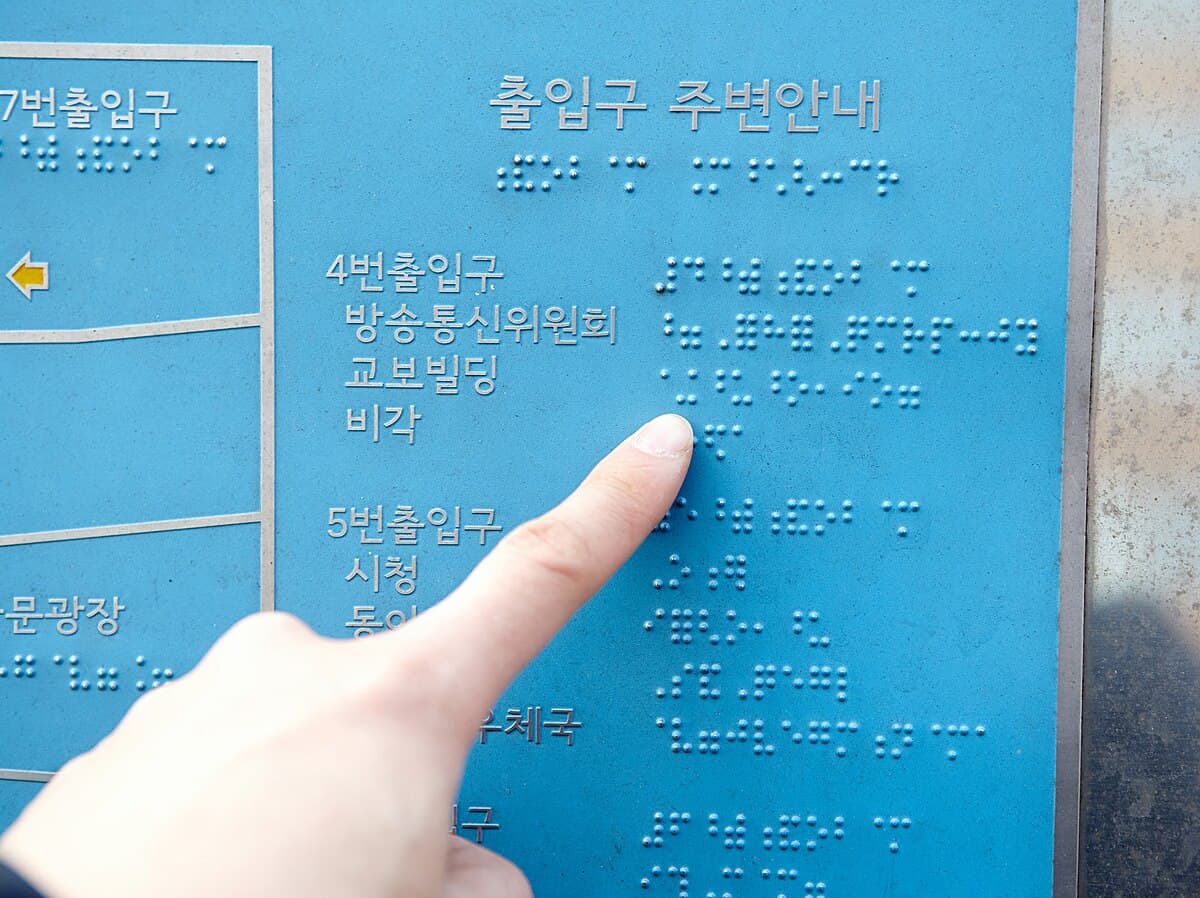
Pyongyang Point Braille System Created
Canadian missionary Rosetta Sherwood Hall invented the first Braille encoding system for Hangul. This innovation made Korean literacy accessible to blind readers.
Pyongyang, Korea
New Edition of National Writing Approved
The Korean Empire enacted the first official standardized orthography for Hangul. However, this system proved controversial and saw little practical implementation.
Korean Empire
Japan Colonizes Korea
The Empire of Japan formally annexed Korea, beginning a colonial period that would see varying degrees of suppression of the Korean language and script. This occupation lasted until 1945.
Korea
First Hangul Typewriter Invented
Korean-American Wonic Leigh created the first mechanical typewriter capable of producing Hangul characters. This technological development facilitated easier production of Korean-language documents.
United States
March First Movement Protests
Massive independence demonstrations led the Japanese colonial government to ease cultural suppression policies. This shift allowed for expanded use and reform of Hangul during the colonial period.
Korea
Hangul Day Established
The Korean Language Society created an annual celebration to commemorate the invention of Hangul. This holiday helped promote pride in the Korean script and culture.
Korea
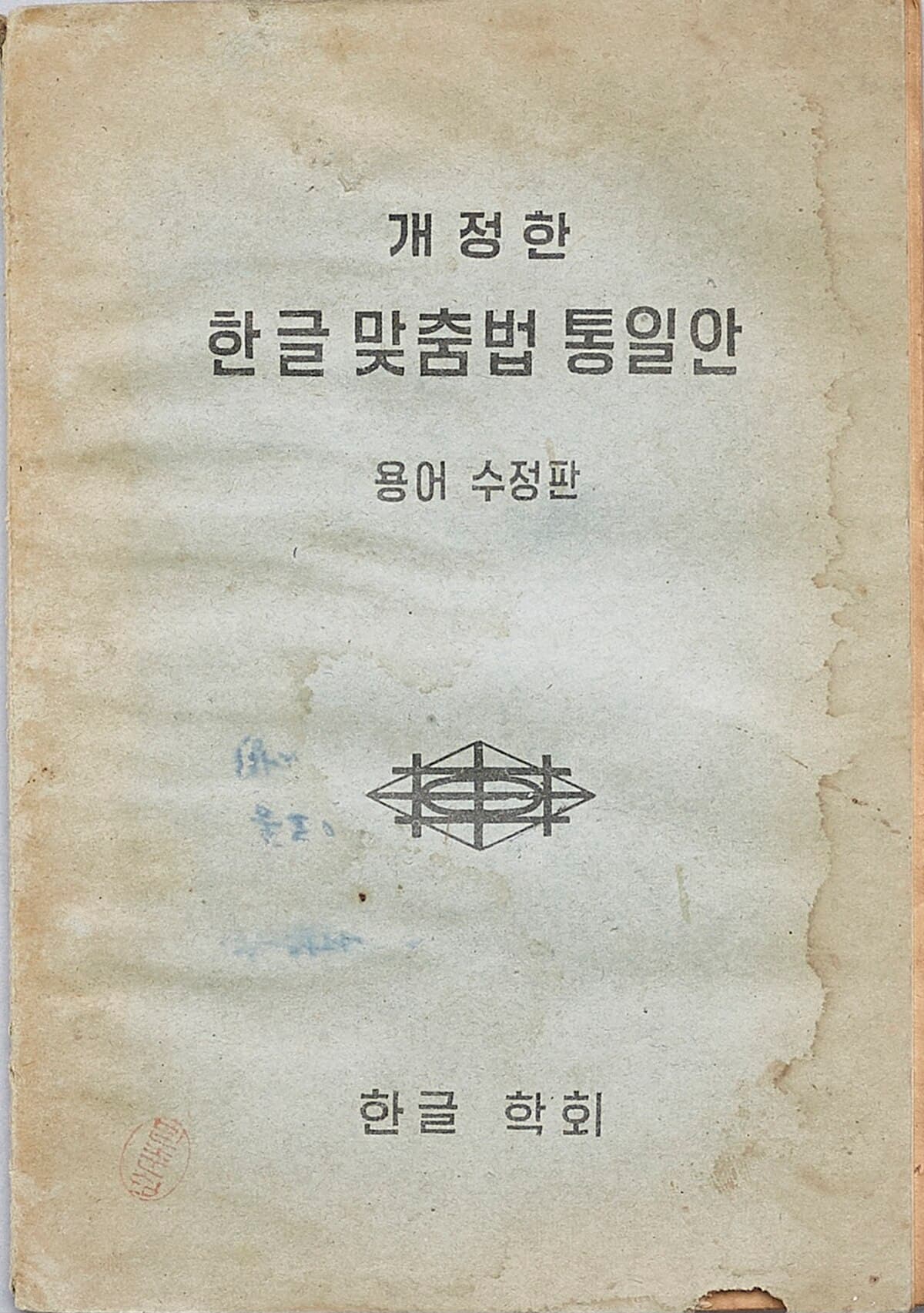
Unified Hangul Orthography Published
The Korean Language Society released a landmark standardized spelling system that would form the basis for modern orthographies in both North and South Korea. This publication ended the use of the archaic vowel ㆍ.
Korea
Korean Language Society Members Arrested
As wartime suppression intensified, Japanese authorities arrested and tortured members of the Korean Language Society en masse. This crackdown severely hindered Hangul reform activities until liberation.
Korea
Korea Liberated and Divided
Japan's defeat in World War II brought Korean independence but also partition into two separate states. This division led to diverging developments in Hangul usage and standards between North and South.
Korea
North Korea Eliminates Hanja
The northern government officially abolished the use of Chinese characters in writing, making Hangul the exclusive script. Though Hanja continued to be taught, this policy marked a clear break with tradition.
North Korea
North Korea Adopts Chosŏn'gŭl Name
The northern government replaced the term Hangul with Chosŏn'gŭl as the official name for the Korean alphabet. This change reflected ideological differences about Korean identity between the two states.
North Korea
KS C 5601 Standard Published
South Korea released its first standardized system for computerizing Hangul characters. This technical specification enabled consistent digital encoding of the Korean script.
South Korea
South Korean Newspapers Switch to Hangul
Major newspapers in South Korea transitioned to using predominantly Hangul with minimal Chinese characters. This change reflected growing preference for the native script in mainstream media.
South Korea
National Institute of Korean Language Founded
South Korea established an official regulatory body to oversee and standardize the Korean language and Hangul. This institution continues to manage linguistic policy and research.
South Korea